
Pruning
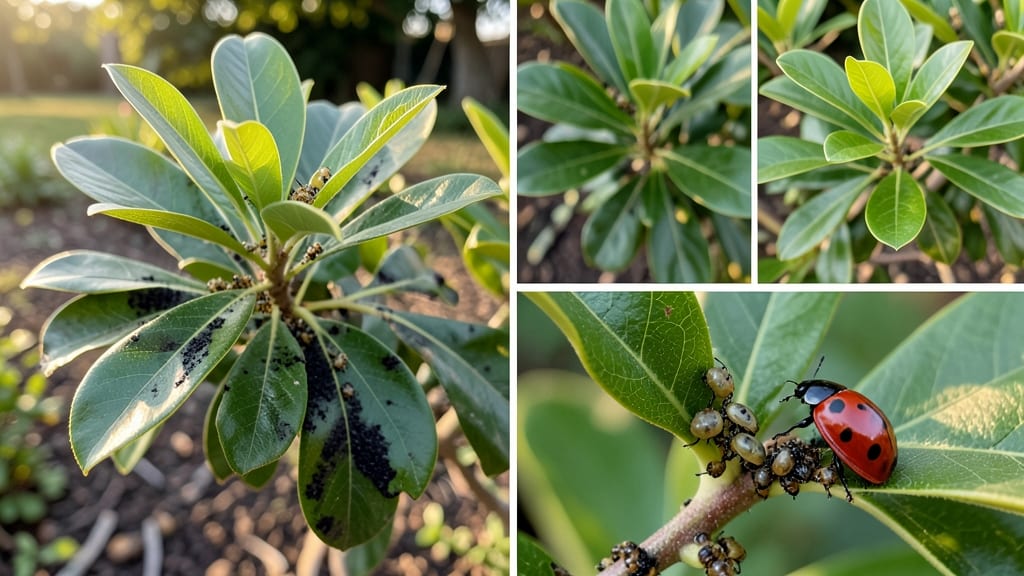
That sticky, sooty mess on your crepe myrtle isn’t just unsightly—it’s a sign of tree lice (aka scale insects) sucking the life out of your tree. 🌿 I’ve battled these stubborn pests, and the key to fast relief lies in a targeted, natural spray that cuts through the waxy armor protecting them.
The good news? You can stop the damage in its tracks without harsh chemicals clogging your soil.
These tiny invaders leave behind a telltale sticky residue (honeydew) that attracts ants and fosters black sooty mold—both of which weaken your tree over time. My go-to remedy combines neem oil, insecticidal soap, and a little dish soap in a spray bottle, applied when the pests are most vulnerable.
Within 2-3 weeks, you’ll see new growth pushing through, and the sticky mess will fade. The secret? Reapplication after rain or every 7-10 days until the infestation is gone.
What you’ll end up with is a revitalized tree—no more wilting leaves or stunted blooms. The spray doesn’t just kill the pests on contact; it disrupts their life cycle, so you’re not playing whack-a-mole season after season.
Plus, your neighbors will be jealous of that showstopping summer bloom you saved from certain decline. Here’s exactly how to mix and apply it for maximum impact.
This method works for all crepe myrtle varieties, whether you’ve got a single specimen or a full row of them. The only catch? Start early—once the pests take hold, they multiply fast.
But once you’ve mastered this spray, you’ll have a foolproof defense against future infestations. Let’s get your tree back to its glory days.
Why it happens
When your crepe myrtle trees start showing signs of tiny, sticky invaders—like honeydew drips or curled leaves—it’s often not just a random attack. These pests, often mistaken for lice (though they’re actually sap-sucking insects like aphids, scale, or mealybugs), thrive due to specific conditions.
Understanding why they target your trees is the first step to stopping them naturally. Let’s break down the key culprits and their science-backed reasons.
🌱 Overly Stressed or Weak Trees
Stressed trees are like an all-you-can-eat buffet for pests. When crepe myrtles face environmental stress—such as drought, poor soil nutrition, or extreme heat—they produce extra sap as a survival mechanism.
This sugary liquid is a magnet for sap-sucking insects, which feed on it and excrete honeydew, creating a sticky mess and inviting sooty mold. Actionable fix: Ensure your trees get consistent watering (1-2 inches per week) and a balanced fertilizer (like a 10-10-10 NPK ratio) in early spring. Pro tip: 💡 Mulch around the base to retain moisture and reduce stress.
🌿 Poor Air Circulation in Dense Foliage
Crepe myrtles with thick, overgrown canopies create the perfect microclimate for pests. Why? Dense foliage traps humidity, and stagnant air prevents natural predators (like ladybugs or lacewings) from patrolling your tree.
Sap-suckers like mealybugs and scale thrive in these cozy, damp conditions, multiplying rapidly. Actionable fix: Prune your tree in late winter or early spring to improve airflow.
Remove dead or crossing branches (cut back to a healthy bud or lateral branch) and thin out the canopy by 20-30% if needed.
🐛 Lack of Natural Predators or Beneficial Insects
In a balanced ecosystem, pests are kept in check by natural enemies like parasitic wasps, predatory beetles, and birds. However, if your yard lacks diverse plant life or has been treated with broad-spectrum pesticides, these guardians disappear.
Without them, sap-sucking insects like aphids and whiteflies explode in numbers because there’s nothing to eat them. Actionable fix: Plant companion plants (e.g., marigolds, dill, or yarrow) to attract beneficial insects. Avoid chemical sprays—opt for neem oil or insecticidal soap instead to preserve the food chain.
🌡️ Warm Climates and Mild Winters
Crepe myrtles (native to Asia and the U.S. South) love heat, and so do many of their pests.
In regions with mild winters (like the Southeast), insects like scale and mealybugs survive year-round and reproduce faster. Why does this matter? Without a hard freeze to kill them off, populations build up exponentially by spring. Actionable fix: Monitor your trees year-round, especially in fall and early spring, when pests are most active.
Use horticultural oil sprays in dormant season (winter) to smother overwintering eggs.
🍃 Over-Fertilization with High Nitrogen
Too much nitrogen-rich fertilizer might give your crepe myrtle a temporary green boost, but it also encourages soft, tender new growth—a buffet for pests.
Sap-sucking insects prefer young, succulent leaves because they’re easier to penetrate. Actionable fix: Switch to a low-nitrogen, balanced fertilizer (e.g., 6-6-6 or 5-10-10) and avoid fast-release fertilizers. Pro tip: 🌡️ Test your soil first—over-fertilizing is a common mistake!
How to Treat Sap-Sucking Pests
Now that you know what’s attacking your crepe myrtle, it’s time to act! These tiny pests—often called aphids, scale, or mealybugs—drain your tree’s energy, leaving behind sticky honeydew and weakened foliage. The good news?
You don’t need harsh chemicals to win this battle. Below are targeted, natural solutions tailored to the root cause of the infestation, plus tips to keep your tree thriving long-term.
Cause: Soft-bodied pests like aphids and mealybugs cling to tender new growth. Fix: A high-pressure hose spray (40 PSI or higher) can dislodge up to 90% of pests in one go.
How to do it:
- 👨🍳 On a sunny, dry day, aim the hose nozzle at the undersides of leaves and branch tips—where pests hide.
- 💦 Use a gentle but firm spray (not so hard it damages bark).
- ⏰ Repeat every 5–7 days until the infestation clears.
Pro Tip: 💡 Add a drop of dish soap (like Dawn) to the water to suffocate remaining pests without harming the tree.
Cause: Stubborn pests (like scale or lace bugs) need a stronger defense. Fix: A neem oil or horticultural oil spray disrupts their life cycle and smothers eggs.
DIY Recipe (Choose One):
| Option | Ingredients | How to Use |
|---|---|---|
| Neem Oil Spray | 1 tbsp neem oil + 1 tsp mild soap + 1 quart water | Shake well, spray evenly (top and bottom of leaves). Repeat every 7–10 days. |
| Garlic & Chili Pepper Spray | 2 cloves garlic + 1 tbsp cayenne + 1 quart water (steep 24 hrs, strain) | Spray at dusk to avoid burning leaves. Reapply after rain. |
| Insecticidal Soap | 1 tbsp castile soap + 1 quart water | Spray directly on pests—works best on soft-bodied bugs. |
⚠️ Warning: Always test a small branch first to check for sensitivity.
Cause: Chemical sprays kill both pests AND helpful insects. Fix: Let nature do the work with these pest-eating allies:
- Ladybugs 🐞 – Devour aphids (buy online or attract with dill/marigolds).
- Lacewings 🪰 – Hunt soft-bodied pests (release larvae for best results).
- Parasitic Wasps 🐝 – Target scale and mealybugs (harmless to humans!).
How to attract them:
- Plant companion flowers like cosmos, alyssum, or fennel near your tree.
- Avoid broad-spectrum pesticides (they wipe out these helpers too!).
Cause: Heavy infestations can spread to healthy parts of the tree. Fix: Remove and destroy severely damaged branches before treating the rest.
How to prune safely:
- ✂️ Use sterilized pruners (wipe with rubbing alcohol).
- 🌿 Cut 6 inches below the last signs of pests or discoloration.
- 🔥 Bag and trash (don’t compost!) infested clippings to prevent reinfestation.
Pro Tip: 🌡️ Prune in late winter or early spring—this gives your tree time to recover before pest season peaks.
Once your tree is healthy, lock in those gains with these long-term strategies:
- 🎯 Stay Vigilant: Inspect your tree weekly during growing season (spring–fall).
- 💪 Boost Tree Health:
- Water deeply (1–2 inches per week) to reduce stress.
- Fertilize in early spring with a balanced, slow-release fertilizer (10-10-10).
- Mulch properly (2–3 inches of organic mulch, keep away from the trunk).
- 🌿 Encourage Airflow: Thin out overcrowded branches to prevent humidity buildup (pests love damp areas).
- 🚫 Avoid Over-Fertilizing: Too much nitrogen = soft, sugary leaves = pest buffet!
Final Thought: 🌟 With consistent monitoring and these natural methods, your crepe myrtle can bounce back stronger than ever—without chemicals! Start with water blasting and neem oil, then let nature’s pest control team take over. Your tree (and your neighbors’ envy) will thank you.
Frequently asked questions
What exactly are "tree lice" on my crepe myrtle?
They’re not true lice—they’re actually sap-sucking insects like scale, mealybugs, or aphids. These tiny pests attach to branches and leaves, leaving behind sticky honeydew and weakening your tree. The "lice" nickname comes from their tiny size and how they cluster like lice on skin.
How do I know if my tree has a serious infestation?
Look for these red flags: black sooty mold on leaves, sticky residue on branches, curled or yellowing leaves, and ants marching up the trunk (they farm the honeydew). If you see more than 10% of leaves affected, it’s time to act fast.
Will my crepe myrtle die if I don’t treat the pests?
Not immediately, but severe infestations can stunt growth, reduce flowering, and make your tree vulnerable to disease. Over time, the stress weakens the tree’s immune system. The good news? With proper treatment, most crepe myrtles fully recover and bloom beautifully the following year.
Can I use store-bought insecticides instead of natural sprays?
You can, but they often kill beneficial insects too. If you choose chemical sprays, opt for horticultural oils or insecticidal soaps (like Safer® Brand) that target pests specifically. Always follow label instructions and reapply after rain—natural methods are safer for your tree’s long-term health.
How often should I check my crepe myrtle for pests?
Inspect your tree every 2 weeks during growing season (spring-fall). After treatment, check weekly for 4 weeks to monitor progress. In winter, spot-check once a month—pests can hide in bark crevices and re-emerge when temperatures rise.