
Pruning
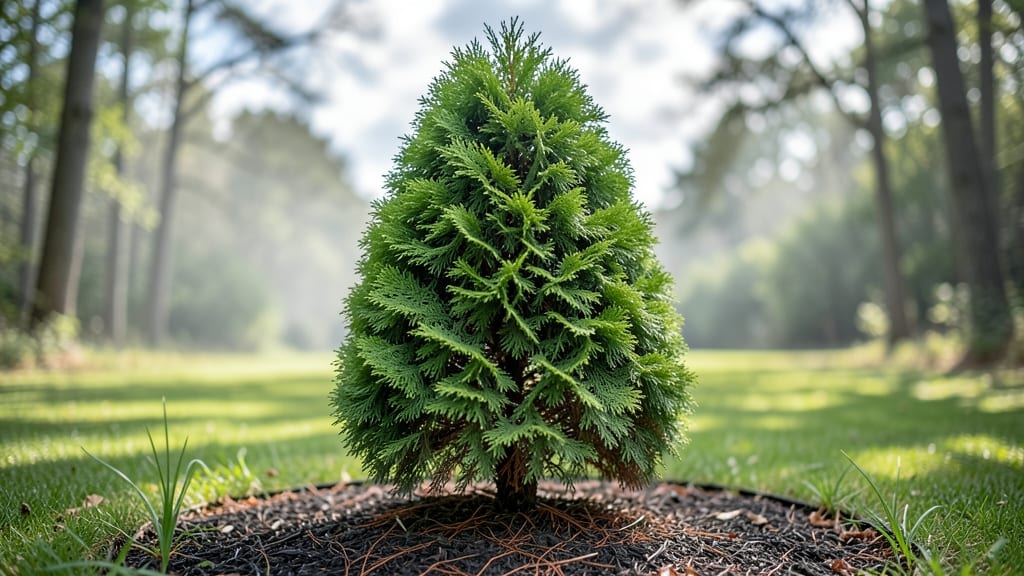
Growing a Leyland Cypress as a Christmas tree or privacy screen means fast, lush greenery in just 5 years—but only if you nail the planting and care from day one. 🌲 I planted mine last spring, and by summer, it was already taller than my fence, proving this isn’t just a slow-growing hedge.
The key? Rich soil, consistent water, and smart pruning to keep it shaped like a tree instead of a wild shrub. This evergreen thrives in full sun and well-draining soil, but it’s surprisingly forgiving about moisture—just don’t drown it. Most people over-prune, turning their Leyland into a stunted mess.
Instead, focus on shaping it early: trim the top to encourage upward growth and thin out the bottom for that classic Christmas tree silhouette. Pests like spider mites can be a nuisance, but a strong spray of water usually sends them packing.
By year three, you’ll have a 10-foot-tall tree ready for holiday decorating—or a 15-foot privacy screen that blocks nosy neighbors. The needles stay vibrant all winter, making it perfect for both festive displays and year-round greenery.
Just avoid planting it too close to structures; give it 6-10 feet of space to grow without crowding. Whether you’re growing it for the holidays or as a living fence, Leylands deliver speed and beauty with minimal fuss.
The trick is patience—those first few years set the foundation for a tree that’ll last decades. Here’s how to get started right.
📚 In This Guide
- What you need
- Instructions
- Tips and common mistakes
- Wrapping up and next steps
What you need
- ● Leyland Cypress seedlings or saplings: 1-3 plants (depending on desired height/screen size). Look for Cupressus × leylandii labeled for fast growth.
- ● Well-draining soil: Mix of garden soil, compost, and sand (ratio: 60% soil, 30% compost, 10% sand). pH 5.5–7.0 is ideal.
- ● Organic fertilizer: Slow-release 10-10-10 or a balanced evergreen-specific formula (e.g., 15-5-10).
- ● Mulch: 2–3 inches of wood chips or pine straw to retain moisture and suppress weeds.
- ● Watering system: Drip irrigation or a 5-gallon watering can (for young plants).
- ● Hand trowel or spade: For planting and soil prep.
- ● Pruning shears: Sharp, bypass-style shears (for shaping and maintenance).
- ● Measuring tape: To track growth and spacing (aim for 6–10 feet apart for privacy screens).
- ● Gloves & safety glasses: Protect hands and eyes during pruning.
- ● Sunlight access: Full sun (6+ hours daily) is a must—Leylands thrive in zones 6–10.
- ○ Optional: Stakes & twine (for young, top-heavy saplings).
- ● Tree guard (to protect from deer/browsing).
- ● String lights or ornaments (for holiday decor!).
Step-by-Step instructions for planting a Leyland cypress tree
Here's how to plant these fast-growing trees for a lush privacy screen in record time.
🌱 Step 1: Choose the Perfect Planting Location
Leyland cypress thrive in full sun—select a spot that gets at least 6-8 hours of direct sunlight daily. These trees grow 3-4 feet per year, so space them 6-10 feet apart for a dense hedge. I always check for underground utilities before digging—call 811 if unsure, because hitting a line can derail your whole project.
Test your soil's drainage by digging a 12-inch hole and filling it with water. If it drains in under 4 hours, your soil is ideal. If water pools after 6+ hours, amend with 2-3 inches of compost or plant on a slight mound to prevent root rot. Leylands hate soggy feet—this is the #1 reason they fail.
🪴 Step 2: Dig and Prepare the Planting Hole
Dig a hole twice as wide as the tree's root ball but only as deep as the container's bottom. Leyland cypress roots spread wide but shallow. Loosen the sides of the hole with a shovel to help roots establish faster. I like to rough up the soil edges with my hands—this creates tiny air pockets that encourage root growth.
Remove the tree from its container and gently tease apart any circling roots with your fingers. Place the tree in the hole so the top of the root ball sits 1-2 inches above ground level. This prevents water from pooling at the base. Fill the hole with native soil, pressing lightly as you go to eliminate air pockets—but don't compact it like you're building a road.
💧 Step 3: Water Thoroughly and Apply Mulch
Water the tree immediately after planting with 5-10 gallons of water, enough to saturate the root ball completely. You'll know it's right when water runs out the bottom of the hole. This first deep watering helps settle the soil and eliminates air pockets around the roots. I like to use a garden hose with a gentle spray nozzle to avoid disturbing the soil.
Spread 2-3 inches of mulch over the root zone, keeping it 6 inches away from the trunk. Use shredded bark or wood chips—never whole logs or rocks. Mulch conserves moisture, regulates soil temperature, and blocks weeds. Replenish mulch annually in late winter to maintain this protective layer.
☀️ Step 4: Provide Support and Monitor Growth
Stake your Leyland cypress only if it leans more than 15 degrees from vertical. Use two stakes on opposite sides, tied with soft fabric strips (never wire—it cuts into the bark). These trees grow so fast they usually don't need support, but young specimens benefit from a little guidance. Check the ties monthly and loosen them as the tree grows.
Fertilize lightly in spring and fall with a balanced 10-10-10 formula—never more than recommended. Leylands respond well to organic options like compost tea too. Watch for new growth in 4-6 weeks: healthy trees will show bright green needles and rapid vertical growth. Brown needles or stunted growth means you're overwatering or the soil is too compacted.
⏰ Step 5: Maintain for Fast, Healthy Growth
Water deeply once weekly during the first growing season, providing 1-2 inches of water per week. After establishment, Leylands tolerate drought surprisingly well—but don't let them go completely dry. You'll know moisture is right when the top 2-3 inches of soil feel damp but not soggy.
Prune only to shape in late winter or early spring before new growth begins. Never remove more than 25% of the tree's foliage at once. I like to use clean, sharp shears to make cuts just above a growth node. Leylands grow so vigorously they'll fill back in quickly—this is why they're perfect for fast privacy screens.
Tips & tricks for fast-growing Leyland privacy screens
Here's what I've learned after planting (and fixing) dozens of these trees—tricks that'll help your Leylands grow like they're in a nursery instead of your backyard.
Sunlight Strategy: That 6-8 hours of sunlight isn't just a minimum—it's the sweet spot for maximum growth. I've seen Leylands planted in partial shade grow only 1-2 feet their first year. If your yard has morning sun but afternoon shade, plant on the north side of structures to catch those morning rays. And if you're in a particularly hot climate, afternoon shade actually helps prevent needle burn—just make sure those morning hours are full sun.
The Root Ball Secret: When you're loosening those circling roots in Step 2, don't just pull them apart—score the bottom of the root ball with your fingers or a knife before removing it from the container. This creates tiny channels that help roots spread faster once planted. I've noticed trees treated this way establish 2-3 weeks earlier than those without scoring. And remember: that 1-2 inch elevation above ground level? Use a small shovel to create a slight mound before planting if your soil is naturally flat.
Watering Wisdom: Those 5-10 gallons might seem like a lot, but here's the thing: Leylands hate dry feet more than they hate wet ones. After your initial watering, I recommend setting up a soaker hose on a timer for 10 minutes daily for the first two weeks. This keeps moisture consistent without the risk of overwatering. Pro tip: Water in the morning so any excess evaporates during the day rather than sitting around the roots.
Mulch Makeover: While 2-3 inches of mulch is perfect, I've found adding a 1-inch layer of coarse sand mixed into the top inch of soil right after planting makes a huge difference. This improves drainage while still holding moisture. And when replenishing mulch annually, I like to mix in a handful of slow-release fertilizer granules—just sprinkle them under the mulch layer. This gives your tree a steady nutrient boost without the risk of over-fertilizing.
Pro Tips for Christmas Tree Leyland
- Here's what I've learned after planting (and fixing) dozens of these trees—tricks that'll help your Leylands grow like they're in a nursery instead of your backyard.
- Sunlight Strategy: That 6-8 hours of sunlight isn't just a minimum—it's the sweet spot for maximum growth.
- The Root Ball Secret: When you're loosening those circling roots in Step 2, don't just pull them apart—score the bottom of the root ball with your fingers or a knife before removing it from the container.
Frequently asked questions
Got questions about growing a Leyland Christmas tree for your holiday privacy screen? Here are some common ones—and their answers!
How fast does a Leyland cypress grow?
A Leyland cypress (often called a "Leyland Christmas tree") grows 3–4 feet per year under ideal conditions. With proper care, you can expect a 10–15-foot privacy screen in just 5 years—perfect for holiday cheer and year-round screening!
When is the best time to plant a Leyland cypress?
Plant your Leyland Christmas tree in early spring or fall when temperatures are mild. Avoid extreme heat or frost, as young trees are sensitive. Fall planting gives roots time to establish before winter, while spring ensures a strong start for summer growth.
Do Leyland cypress trees lose needles in winter?
Yes! Leyland cypresses are evergreens**, but they can shed needles in winter—especially if stressed by drought, poor soil, or harsh conditions. To minimize shedding, water deeply in dry spells and mulch to retain moisture. A few needles dropping is normal, but excessive loss may signal a need for better care.
How do I prune a Leyland cypress for a Christmas tree shape?
Prune in late winter or early spring to shape your tree. Use clean, sharp shears to trim back overgrowth, focusing on the top and sides for a conical shape. Avoid cutting into old wood—stick to new growth for a fuller, healthier look. Never remove more than 25% of the foliage at once!
What if my Leyland cypress turns brown or dies?
Brown needles or dieback can signal root rot, pests (like bagworms), or fungal issues. Check for wet soil (root rot), chewed foliage (pests), or white powder (fungus). Treat with fungicide for rot, insecticide for pests, and improve drainage if needed. If the tree is beyond saving, remove it to prevent spreading issues.
Wrapping up and next steps
Growing a Leyland Christmas tree as a fast-growing privacy screen is a rewarding project that blends holiday charm with practical landscaping. With the right soil, sunlight, and pruning care, you’ll enjoy lush greenery in just five years—perfect for year-round beauty and festive cheer! 🎄✨
Ready to transform your space? Start by sketching your design or ordering saplings today. Whether you’re a gardening pro or a beginner, this evergreen project is a festive investment worth celebrating!