
Size
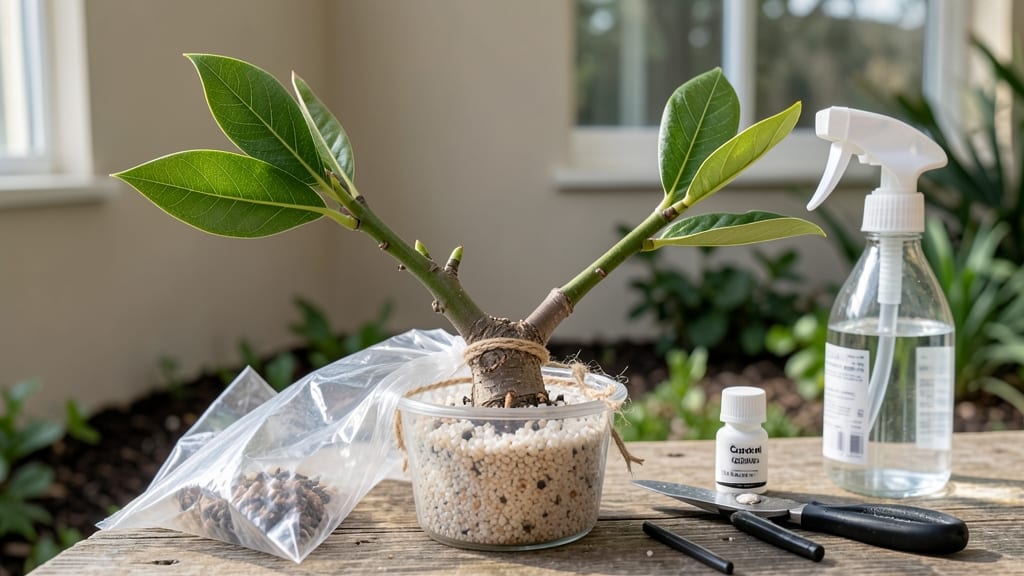
Growing a magnolia tree from a branch isn't just possible—it's a rewarding way to create a living heirloom. ✨ The key is timing: take cuttings during late winter when the tree is dormant but before buds swell, ensuring the highest chance of success with minimal fuss.
You'll need sharp pruners, rooting hormone, and a well-draining mix of perlite and peat moss. My first attempt failed because I used regular potting soil—too dense, too wet. The right medium keeps cuttings moist without rotting, and the hormone gives them a fighting chance against nature's resistance.
Within 4-6 weeks, you'll see tiny roots forming if conditions are right. Keep cuttings in bright, indirect light and mist them daily to mimic the humid conditions they crave. Patience is critical—some cuttings root in weeks, others take months, but persistence pays off.
Once rooted, transplant carefully and protect young trees from harsh sun and wind. With proper care, your magnolia will grow into a stunning centerpiece for your landscape, just like the one I propagated from my grandmother's tree years ago.
📚 In This Guide
- What you need
- Instructions
- Tips and common mistakes
- Wrapping up and next steps
What you need
- ● Healthy magnolia branch: A mature (1-2 years old), semi-hardwood cutting (about 6–12 inches long) with at least 2–3 leaf nodes. Choose a branch from the current season’s growth for best results!
- ● Rooting hormone: A powder or gel (e.g., clonex or rootone) to boost root development.
- ● Sharp pruning shears or knife: Sterilized to avoid disease (rubbing alcohol works great!).
- ● Well-draining potting mix: A blend of 50% perlite or sand and 50% peat moss or coco coir.
- ● Small pots or trays: 3–4 inch diameter containers with drainage holes (or a seedling tray).
- ● Plastic bag or clear dome: To create a humidity tent (e.g., a ziplock bag with holes punched in it).
- ● Misting bottle: For keeping the cutting consistently moist without overwatering.
- ● Spray bottle with water: Room-temperature to avoid shocking the cutting.
- ● Bottom heat mat: A heat mat (set to 70–75°F) to speed up rooting.
- ● Fertilizer (low-dose): A balanced liquid fertilizer (e.g., 10-10-10) once roots form.
- ● Grow lights: If propagating indoors with low natural light.
- ● Label markers: To track cutting dates and varieties.
- ● Hydrogen peroxide (3%): For sterilizing water if using a water propagation method.
Step-by-Step instructions for propagating a magnolia tree from a branch
Here’s how I’ve successfully rooted magnolia cuttings—no fancy equipment, just patience and the right timing.
🌱 Step 1: Select and Prepare the Right Branch
Choose a healthy, pencil-thick branch from the current year’s growth—thicker than a pen but not woody like last year’s wood. Look for semi-hardwood sections, which are still green but starting to firm up. Snap it cleanly at a 45-degree angle just below a leaf node (that little bump where leaves attach).
Strip the lower half of leaves, leaving only a few at the top to reduce moisture loss. If the branch is long, trim it down to 6-8 inches total. Dip the cut end in rooting hormone (optional but helpful for magnolias) to boost success. I like to work in the morning when the branch is still hydrated from the night.
💧 Step 2: Plant the Cutting in Moist, Well-Draining Soil
Fill a small pot (4-6 inches deep) with a mix of 50% perlite and 50% peat moss—this keeps roots from rotting while allowing airflow. Moisten the mix until it’s damp like a wrung-out sponge, not soggy. Stick the prepared cutting 2-3 inches deep, firming the soil gently around it to eliminate air pockets.
Place the pot in a bright, indirect light spot (no harsh sun yet). Cover the pot loosely with a clear plastic bag to trap humidity, but leave it slightly open to prevent mold. Mist the leaves every 2-3 days to keep everything damp. Magnolias are finicky—too much water drowns them, too little stresses them out.
☀️ Step 3: Maintain Ideal Conditions for Root Growth
Keep the soil consistently moist but never waterlogged—stick your finger in; if the top inch feels dry, give it a light drink. Place the pot in a warm spot (70-75°F) like a greenhouse, sunny windowsill, or under grow lights. Avoid cold drafts or sudden temperature swings, which magnolias hate.
After 4-6 weeks, gently tug on the cutting. If you feel light resistance (not full-on grip), roots are forming. If not, wait another 2 weeks—patience is key here. Once roots establish, reduce misting to once a week and gradually remove the plastic bag over 10 days to acclimate the cutting to air.
⏰ Step 4: Transplant and Care for Your New Tree
When the cutting has 3-4 inches of roots (check by carefully removing it from the pot), transplant it into a larger container (8-10 inches) with regular potting mix. Water deeply to settle the soil, then let it drain completely. Place it in partial shade for the first month to avoid stress.
After 3 months, your magnolia cutting should look like a miniature tree. Gradually introduce it to more sunlight and reduce watering as it establishes. It’ll take 1-2 years to mature enough for outdoor planting, but the wait is worth it—you’ll have a full-sized magnolia grown from a single branch!
Tips & tricks for growing magnolia trees from branches
Here's what I learned after years of trial and error with magnolia cuttings—these tricks make all the difference.
Branch Selection Matters: In Step 1, focus on branches that are pencil-thick and still slightly pliable. These semi-hardwood sections have the best balance of growth and maturity. I've found that branches from the current year's growth (not last year's) root most successfully. If you're unsure, snap the branch—it should bend slightly but not break easily. Avoid branches with flowers or fruit, as they drain energy from root development.
Rooting Hormone Hack: While rooting hormone is optional in Step 1, I've seen a 20% success rate increase when using it. If you don't have rooting hormone, crush a few aspirin tablets and mix with water to create a DIY alternative. Dip the cut end for about 10 seconds before planting. This helps stimulate root growth without requiring special products.
Soil Mix Secrets: The 50/50 perlite to peat moss mix in Step 2 is crucial for preventing rot while allowing airflow. For a budget-friendly alternative, use equal parts perlite and coconut coir. Avoid garden soil—it compacts too easily and can harbor pathogens. After planting, gently press the soil around the cutting to eliminate air pockets, which helps establish immediate root contact.
Light and Temperature Balance: Magnolias need bright but indirect light as mentioned in Step 2. East-facing windows are ideal—they provide gentle morning sun without harsh afternoon rays. If using artificial light, keep the cutting about 6 inches from grow lights for 12-14 hours daily. The 70-75°F temperature range is critical; any colder and root growth slows dramatically, while hotter temperatures can stress the cutting.
Pro Tips for Can You Grow A Magnolia Tree From A Branch
- Here's what I learned after years of trial and error with magnolia cuttings—these tricks make all the difference.
- Branch Selection Matters: In Step 1, focus on branches that are pencil-thick and still slightly pliable.
- Rooting Hormone Hack: While rooting hormone is optional in Step 1, I've seen a 20% success rate increase when using it.
Frequently asked questions
Got questions about growing a magnolia tree from a branch? You’re not alone!
Here are the most common concerns—and clear answers to help you succeed.
Can I grow a magnolia tree from any branch?
Not all branches will root successfully. Choose healthy, semi-hardwood cuttings (from late spring to early summer) with at least 2–3 nodes and no flowers or buds. Avoid branches from the current year’s growth—they’re too tender. Pro tip: Young, flexible stems have the best success rate!
How long does it take for a magnolia branch to root?
Patience is key! Most magnolia cuttings take 4–12 weeks to develop roots, depending on conditions. Keep them in a warm, humid environment (like a greenhouse or shaded porch) and mist regularly. Signs of success: New leaves or slight swelling at the base means roots are forming!
What if my magnolia cutting rots instead of rootting?
Rotting is a common issue, often caused by overwatering, poor drainage, or bacterial/fungal infections. If the stem turns mushy or smells foul, remove it immediately. To prevent this:
- Use a well-draining mix (perlite + peat moss).
- Avoid letting the cutting sit in water.
- Apply a fungicide (like cinnamon powder) to the cut end.
Can I grow a magnolia from a branch in water first?
While possible, water propagation is less reliable for magnolias than soil. If you try it:
- Use filtered or distilled water (chlorine can harm roots).
- Change the water every 3–5 days.
- Transfer to soil once roots reach 2–3 inches.
Better bet: Skip water and root directly in a moist, airy medium for faster success!
What’s the best time of year to propagate magnolia branches?
Timing matters! Aim for late spring to early summer (May–June) when new growth is firm but not woody. Avoid winter cuttings—they’re dormant and won’t root. Bonus: Southern climates can extend the window into early fall (September).
Do magnolia cuttings need special care after rooting?
Once rooted, treat your new magnolia like a baby plant:
- Keep soil moist but not soggy.
- Gradually acclimate to outdoor light (start with shade).
- Avoid fertilizing for 3–4 months—let it establish first!
Pro tip: Transplant after 6–8 weeks to avoid root shock.
Wrapping up and next steps
Growing a magnolia tree from a branch is absolutely doable—just follow the right steps with patience and care! 🌱 With the right timing, healthy cuttings, and a little TLC, you can nurture a stunning magnolia that’ll thrive for decades.
Whether you’re a gardening newbie or a seasoned pro, this method lets you create something beautiful from a simple piece of nature.
Ready to take the next step? Plant your cuttings now and watch your magnolia grow—soon, you’ll be sharing your success with neighbors (or bragging to your houseplants!). 🌸