
Pests and Diseases
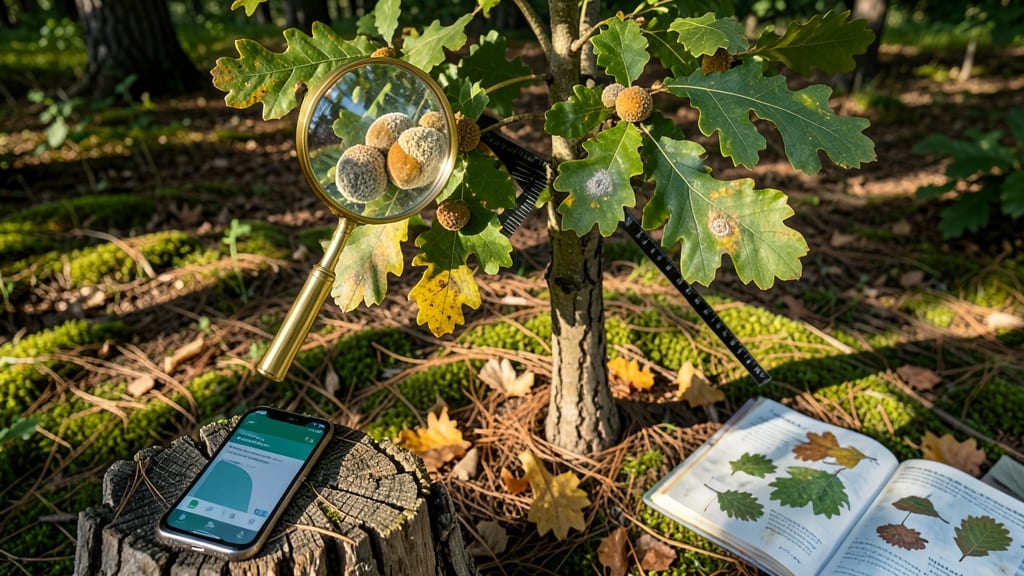
Bumps on oak tree leaves can turn your backyard into a mystery zone—until you know what’s causing them. 🌳 I’ve spent years watching oak trees transform from healthy giants to puzzling puzzles overnight, and the culprits often aren’t what you’d expect.
These small, hard bumps might be harmless galls (created by wasps!) or signs of stress, pests, or even fungal infections. The key is identifying them fast so you can act before the tree’s health takes a hit.
Most bumps you’ll find are galls—those round, woody growths that look like tiny tumors. They’re usually harmless and made by gall wasps laying eggs, but they can weaken branches over time. Other bumps might signal mites, scale insects, or even environmental stress like drought or poor soil.
The good news? Once you spot the difference, you can choose the right fix—whether that’s pruning, organic sprays, or simply giving your tree better care.
Here’s the quick fix: Prune affected branches to stop spread, apply neem oil or horticultural oil for pests, and water deeply if the soil’s dry. For severe cases, a soil test can reveal nutrient deficiencies.
Most oak trees bounce back with the right care—just don’t ignore those bumps for too long. The sooner you act, the sooner your tree can return to its strong, shade-giving self.
If the bumps keep spreading despite your efforts, or if the leaves start yellowing or dropping, it’s time to call an arborist. Some issues, like advanced fungal infections, need professional treatment.
But in most cases, a little attention now saves your oak tree from long-term damage. Let’s get that diagnosis right!
Underlying Causes Explained
If your oak tree’s leaves are developing bumps, the culprit is almost always a biological interaction—whether from microscopic invaders or tiny pests. Understanding the why behind these bumps helps you take targeted action before the problem spreads.
Below, we break down the most common causes, backed by science, so you can diagnose the issue with confidence.
Galls are abnormal growths on leaves, stems, or roots caused by the oak tree’s defensive response to stimulants—usually insects, mites, bacteria, or fungi. Think of them like a splinter in your finger: the tree’s immune system overreacts, producing extra tissue to isolate the threat.
These bumps can range from tiny pea-sized lumps to large, distorted growths.
🐞 Insect-Induced Galls
Most oak galls are triggered by gall wasps (family Cynipidae), tiny insects whose larvae inject chemicals into leaf tissue. The tree responds by forming a protective gall around the intruder. Common types include:
- Marble Galls: Round, white, and marble-like, often caused by Andricus quercuscalicis. They appear in spring and may drop by summer.
- Oak Apple Galls: Puffy, apple-shaped growths (up to 2 inches wide) from Biorhiza pallida. These are harmless to the tree but unsightly.
- Spangle Galls: Small, rust-colored spots caused by Neuroterus wasps. They rarely harm the tree but can cover leaves densely.
Why it happens: The wasp larvae secrete hormones that trick the tree into growing a nutrient-rich chamber for their development. The tree doesn’t die from this, but severe infestations can weaken growth.
🍄 Fungal or Bacterial Galls
Less common but possible, certain fungi (like Taphrina) or bacteria can cause gall-like growths. These often appear as:
- Thickened, leathery leaf tissue (e.g., Taphrina caerulescens, which causes "witches’ brooms" on twigs).
- Yellowish, powdery patches (a sign of fungal infection).
Why it happens: Fungi release enzymes that disrupt the tree’s cell division, leading to abnormal growth. Unlike insect galls, these can sometimes spread to other parts of the tree if untreated.
Not all bumps are galls—some are direct signs of pests feeding on or injecting toxins into the leaves. These can lead to:
- Raised, blister-like spots (from aphids or mites).
- Holes with frass (insect droppings) around the edges (from caterpillars or beetles).
- Sticky residue (honeydew) from sap-sucking insects.
🐛 Aphids and Mites: Tiny but Troublesome
Aphids and spider mites pierce leaf cells to feed on sap, causing:
- Curling or puckering of leaves (as the tree tries to "seal off" damaged areas).
- Small, raised bumps where their mouthparts inject saliva (which can contain viruses).
Why it happens: Their feeding disrupts the leaf’s vascular system, leading to localized swelling. Heavy infestations can stunt new growth and attract ants (which farm aphids for honeydew).
🦋 Caterpillars and Beetles: The Chewers
Larvae of moths (like the gypsy moth) or beetles (such as the oak leaf roller) can create bumps by:
- Folding leaves into tents and feeding inside (creating raised, stitched-like damage).
- Laying eggs in leaf tissue, which hatch into larvae that burrow and chew.
Why it happens: The physical damage triggers the tree’s repair response, causing cells to thicken around the wound. Severe defoliation can weaken the tree over time.
While less common, extreme environmental conditions can also cause leaf bumps or deformities:
- Hail or wind damage: Creates raised, bruised spots where cells are crushed.
- Herbicide drift: Can cause irregular growth patterns if chemicals disrupt cell division.
- Nutrient deficiencies: Excess nitrogen or phosphorus may lead to abnormal leaf thickening.
Why it happens: Physical trauma or chemical imbalances confuse the tree’s growth signals, leading to localized overproduction of tissue. Unlike biological causes, these bumps are usually isolated and don’t spread.
Pro Tip 💡: To narrow down the cause, examine the location and texture of the bumps:
- Hard, woody galls = Likely insect-induced.
- Soft, spongy, or discolored = Could be fungal/bacterial.
- Holes + frass = Chewing pests.
- Sticky residue = Sap-suckers (aphids/mites).
How to solve it
Once you’ve identified the cause of those pesky bumps on your oak tree leaves—whether it’s galls, mites, or fungal infections—it’s time to take action. The good news? Most issues can be managed with simple, eco-friendly solutions.
Below, we’ve mapped out practical fixes for each common culprit, along with prevention tips to keep your oak tree thriving.
If tiny bumps or swollen growths (galls) are the culprit, the first step is removal—but don’t overdo it!
🔪 Step 1: Trim Affected Branches
Use clean, sharp pruning shears to cut off heavily infested branches. Focus on areas with large clusters of galls (like oak apple galls or marble galls). Dispose of the clippings in a sealed bag—do not compost them, as the wasps or mites may still be active.
💦 Step 2: Spray with Horticultural Oil
For live gall wasps (the insects that create galls), apply a dormant oil spray in early spring or late fall. This suffocates the pests without harming the tree.
Reapply every 7–10 days until new growth appears. Pro tip: 🌡️ Do this when temps are above 40°F but below 85°F for best results.
🛡️ Step 3: Encourage Natural Predators
Ladybugs, lacewings, and parasitic wasps feed on gall-makers. Plant native flowers (like dill, yarrow, or milkweed) near your oak to attract them. Avoid pesticides, as they can kill these helpful allies.
✨ Prevention Tip:
Healthy trees resist galls better! Water deeply during droughts and mulch around the base to retain moisture. A well-fed oak (with occasional balanced fertilizer) is less appealing to pests.
If the bumps are actually tiny webs or sticky residue (signs of mites or scale), act fast before the infestation spreads.
🧼 Step 1: Blast Off Pests with Water
Start with a strong hose spray to dislodge mites and scale from leaves and branches. Do this in the early morning or evening to avoid shocking the tree.
🍳 Step 2: Apply Insecticidal Soap
Mix 1–2 tablespoons of mild castile soap (or a commercial insecticidal soap) with 1 quart of water. Spray the undersides of leaves thoroughly, where pests hide. Reapply every 5–7 days for 2–3 weeks. Pro tip: 🎯 Test on a small branch first—some oaks are sensitive to soap.
🌿 Step 3: Use Neem Oil for Stubborn Cases
For severe infestations, combine 1 tablespoon neem oil + 1 teaspoon dish soap + 1 quart of water. Shake well and spray. Neem disrupts the pests’ life cycle. Warning: 🌡️ Apply when temps are above 50°F to avoid harming the tree.
🛡️ Prevention Tip:
Keep your oak well-watered—mites thrive in dry conditions. Install fine mesh netting around young trees to block migrating pests from neighboring plants.
If the bumps are powdery, rust-colored, or slimy (like anthracnose or tar spot), fungi are likely the culprit.
✂️ Step 1: Remove & Destroy Infected Leaves
Rake up and bag all fallen leaves with fungal spots. Do not leave them under the tree—they’ll reinfect next year. Sterilize your rake with rubbing alcohol between uses.
🍄 Step 2: Apply Fungicide (Organic or Chemical)
For organic control, use a baking soda spray (1 tbsp baking soda + 1 tsp oil + 1 gallon water). For severe cases, a copper fungicide (like Bordeaux mixture) works well. Spray both sides of leaves and the trunk, focusing on wet areas.
💨 Step 3: Improve Airflow & Light
Fungi love shady, humid conditions. Thin out dense branches to let sunlight and air reach the canopy. Space trees 10–15 feet apart when planting new oaks.
✨ Prevention Tip:
Water at the base, not overhead, to keep leaves dry. Early morning watering gives foliage time to dry before nighttime humidity sets in.
If your oak shows:
- ⚠️ Wilted or blackened leaves (signs of advanced disease)
- ⚠️ Sawdust-like frass (borer activity)
- ⚠️ Multiple pests in one season (possible systemic issue)
Contact a certified arborist. They can diagnose hidden problems (like root rot or borers) and prescribe targeted treatments.
Remember: Most oak leaf bumps are harmless, but early action prevents spread. With a little care, your tree will bounce back—and next year’s leaves will be bump-free! 🌳💚
Frequently asked questions
Are those bumps on my oak tree leaves always harmful?
Not necessarily! Most bumps are harmless galls caused by gall wasps, which are actually beneficial in small numbers. These woody growths form when wasp larvae inject hormones into leaves, but they rarely kill the tree. Only remove them if they’re spreading heavily or weakening branches.
How can I tell if the bumps are from insects vs. disease?
Check the texture and location: hard, woody bumps = insect galls (like marble galls), while soft, discolored spots may signal fungal/bacterial infections. Look for tiny holes or webbing too—those mean chewing pests or mites are likely the culprits.
Will pruning help get rid of oak leaf bumps?
Yes! Trim branches with heavy clusters of galls or infected leaves to stop the spread. Just use clean, sharp shears and dispose of clippings in sealed bags—don’t compost them. Prune in late winter/early spring when the tree is dormant for best results.
Can I use store-bought pesticides on oak trees?
Use cautiously! Many oaks are sensitive to chemical sprays. Start with organic options like neem oil or insecticidal soap. If pests persist, consult an arborist—they can recommend tree-safe treatments. Avoid broad-spectrum pesticides that kill beneficial insects.
How do I prevent future oak leaf bumps?
Keep your tree healthy! Water deeply during droughts, mulch to retain moisture, and fertilize with balanced nutrients. Plant native flowers nearby to attract predator insects (like ladybugs) that eat gall-makers. Regular pruning also improves airflow, reducing fungal risks.