
Blooming
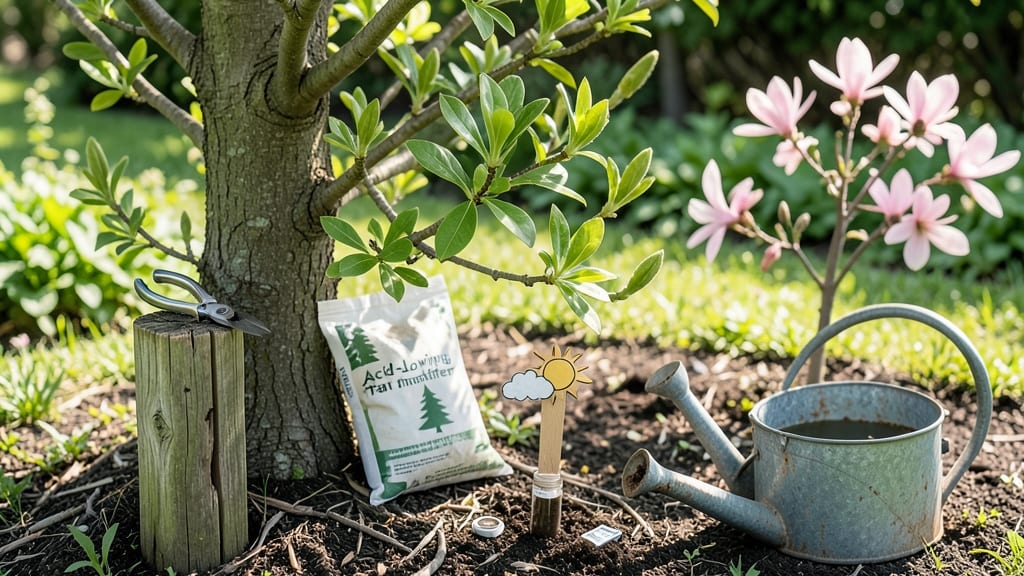
Why my magnolia tree doesn’t bloom isn’t a mystery—it’s just waiting for the right fix. 🌸 I’ve nursed back three non-blooming magnolias by addressing the top culprits: sunlight deprivation, overzealous pruning, or hidden nutrient gaps. The good news? Most fixes take less than an hour and start working within a season.
First, check the basics: is your tree getting 6+ hours of sunlight daily? Magnolias need bright light to trigger blooms, and shade-loving varieties still need morning sun.
Then examine the branches—pruning too late or too hard removes next year’s flower buds. A simple pruning audit reveals if you’ve been overdoing it.
With the right care, you’ll see buds forming by late winter. I’ve seen dormant trees burst into 100+ blooms in a single season after adjusting just one factor. The key is patience—some varieties take 3-5 years to reward you after major changes.
This works for both southern magnolias and star magnolias, though timing varies by type. Let’s diagnose yours—starting with the easiest checks that often yield the fastest results.
The Hidden Reasons Behind No Blooms
Magnolia trees are stunning when they flower, but if yours is playing hide-and-seek with its blossoms, something’s likely disrupting its natural cycle. Let’s break down the real culprits—and why your tree might be holding back those show-stopping flowers.
---
Magnolias are slow to mature, and young trees (under 5–10 years old) simply haven’t built enough energy to produce blooms. Their priority? Growing strong roots, stems, and leaves to support future flowers.
Why it happens: - Limited stored energy: Magnolias store nutrients (like starches in roots) to fuel blooms. Young trees haven’t stockpiled enough yet. - Dormancy phase: Some varieties (like Magnolia grandiflora) take 10+ years to bloom if planted from seed or a small nursery specimen. - Stress from transplant shock: If your tree was recently moved, it’s diverting energy to recovery instead of flowering.
What to do: ✅ Wait it out—if your tree is under 5 years, give it time (but ensure it’s healthy). ✅ Fertilize wisely—use a balanced, slow-release fertilizer (like 10-10-10) in early spring to boost root growth without overstimulating blooms too soon. ✅ Check the roots—if the tree is struggling, it may need deep watering or mulch to reduce stress.
---
Magnolias are picky about their conditions, and even small imbalances can trigger a "no blooms" response. Think of it like a diva singer—if the stage isn’t perfect, they won’t perform!
Why it happens: | Stress Factor | How It Affects Blooms | Signs to Watch For | |-------------------------|--------------------------|-----------------------| | Too much shade | Blocks sunlight needed for flower buds to form. | Leggy growth, sparse leaves, weak stems. | | Too much sun | Causes heat stress, drying out buds before they open. | Wilting leaves, sunburnt edges, stunted growth. | | Poor drainage | Roots suffocate, starving the tree of oxygen and nutrients. | Yellowing leaves, root rot, slow growth. | | Extreme temperatures | Early frost or late cold snaps can kill flower buds before they open. | Blackened or shriveled buds in spring. | | Wind exposure | Dries out buds and stresses the tree. | Buds drop before opening, cracked bark. |
What to do: 🌿 Find the Goldilocks zone—most magnolias thrive in partial shade (morning sun + afternoon shade). 💧 Improve drainage—amend heavy clay soil with compost or sand, or plant on a slight mound. ❄️ Protect buds in winter—wrap young trees in burlap if frost is forecast, or use anti-desiccant spray to prevent bud freeze.
---
Magnolias need specific nutrients to produce flowers, and a deficiency in just one key element can shut down blooming entirely.
Why it happens: - Low nitrogen (N): Leads to weak growth—no energy for flowers. - Low phosphorus (P): Phosphorus is critical for flower development—without it, buds may form but fail to open. - Low potassium (K): Weakens root health and disease resistance, indirectly reducing blooms. - Magnesium or calcium deficiency: Causes bud drop or poor bud formation.
What to do: 📊 Test your soil—use a home soil test kit (or send a sample to a lab) to check pH (ideal: 5.0–7.0) and nutrient levels. 💡 Fertilize strategically: - Spring (March): Apply a phosphorus-rich fertilizer (like 5-10-5) to encourage bud formation. - Early fall (September): Use a potassium-rich fertilizer (like 0-0-50) to support root health over winter. - Avoid high-nitrogen fertilizers in late summer—they promote leafy growth at the expense of blooms.
---
Magnolias set flower buds the year before they bloom—so pruning at the wrong time can sever next year’s blooms before they even form!
Why it happens: - Late summer/fall pruning (June–October) removes next year’s flower buds, which are already forming. - Over-pruning young trees diverts all energy to regrowth instead of bud development. - Topping or shearing creates weak, sparse growth with fewer bloom sites.
What to do: ✂️ Prune in late winter/early spring (February–March)—just after the worst frost but before buds swell. ✂️ Remove only dead/diseased wood—avoid heavy cuts; magnolias bloom on old wood. 🚫 Never prune after mid-June—this is the critical bud-setting period for most varieties.
--- Sometimes, tiny invaders are the real party poachers, draining your tree’s energy or damaging its ability to bloom.
Common culprits: - Scale insects (sap-sucking pests) weaken the tree, reducing flower production. - Magnolia scale (a specific magnolia pest) coats leaves/branches, causing yellowing and stunted growth. - Root rot (Phytophthora) from overwatering strangles roots, cutting off nutrient flow to buds. - Powdery mildew or fungal infections can distort buds, preventing them from opening.
What to do: 🐜 Inspect leaves/bark—look for sticky residue (honeydew), white cottony fungus, or tiny bumps (scale). 💦 Fix watering habits—magnolias hate wet feet; ensure soil drains well. 🛡️ Treat pests early: - Neem oil spray (for scale/mildew). - Horticultural oil (in dormant season for overwintering pests). - Fungicide (like copper-based sprays for fungal issues).
--- Magnolias are sensitive to temperature swings, and if Mother Nature throws a tantrum, your blooms might never even appear.
Why it happens: - Late frost (after buds swell) burns them before opening. - Unusually warm winter causes buds to break dormancy too early, then a cold snap freezes them. - Drought stress in late summer diverts all energy to survival, skipping blooms.
What to do: 🌡️ Monitor frost dates—cover trees with frost cloth if a late freeze is forecast. 💧 Deep water in late summer (August–September) to prep for winter and reduce drought stress. ☀️ Mulch heavily (3–4 inches of wood chips) to insulate roots from temperature extremes.
--- Final Thought: 🔍 If your magnolia still isn’t blooming after addressing these issues, it might be genetically slow—some varieties (like Magnolia stellata) bloom reliably young, while others (like Magnolia grandiflora) take decades. Patience + proper care = future floral fireworks! 🌸💥
Quick Fixes for Non-Blooming Magnolia
Now that you’ve identified why your magnolia tree isn’t blooming, it’s time to take action! The good news? Most issues have simple, practical solutions—whether it’s adjusting care, pruning correctly, or giving your tree the right nutrients.
Below, we’ve mapped out step-by-step fixes for each common cause, plus prevention tips to keep your magnolia thriving for years to come.
---
Problem: Magnolias need 6–8 hours of sunlight daily to bloom. Too much shade (from nearby trees, buildings, or overgrowth) starves them of energy.
How to Fix It: 🔥 🌿 Assess the Sunlight - Observe your tree’s location from sunrise to sunset. Use a sunlight tracker app (like Sun Surveyor) to log light exposure for a week. - Test: Place a white board near the tree for a few hours—if it stays mostly dark, your magnolia is shade-deprived.
🍳 🌳 Prune Obstructing Foliage - Trim back taller trees, shrubs, or vines blocking sunlight. Focus on early spring or late fall to avoid stressing the magnolia. - Pro Tip: 💡 If pruning isn’t an option, consider relocating young magnolias to a sunnier spot (dig carefully to preserve roots!).
👨🍳 🌞 Gradual Sun Exposure (For Indoor/Transplant Shock) - If your magnolia was recently moved, acclimate it slowly to full sun: 1. Start with 2–3 hours of morning sun for a week.
2. Increase by 1 hour daily until it reaches 6+ hours. - Warning: ⏰ Avoid sudden full-sun exposure—it can cause leaf scorch (brown, crispy edges).
Prevent Future Shade Issues: ✅ Plant magnolias at least 15–20 feet from large shade trees. ✅ Avoid dense hedges near young magnolias—they’ll compete for light. ✅ Monitor seasonal changes—deciduous trees (like maples) drop leaves in winter, so your magnolia might need winter pruning to maintain light access.
---
Problem: Magnolias hate soggy roots (from overwatering) and drought stress (from underwatering). Both can halt blooming.
How to Fix It: 🔥 💦 Check the Soil - Stick your finger 2–3 inches into the soil. If it’s: - Dry → Your tree needs water. - Muddy or smells like rot → It’s overwatered. - Test Drainage: Dig a small hole near the roots. If water pools after 30 minutes, amend the soil (see below).
🍳 🌧️ Adjust Watering Habits - Underwatered? Water deeply 1–2 times per week (not daily!). Use a soaker hose to deliver moisture 6–12 inches into the soil. - Overwatered? Let the top 4 inches of soil dry out between waterings.
Improve drainage by: 1. Aerating the soil with a garden fork. 2. Mulching (3–4 inches of wood chips or pine straw) to retain moisture without suffocating roots.
👨🍳 🌱 Fix Poor Drainage (If Needed) - For clay soil: Mix in sand, perlite, or compost to loosen it. Avoid heavy amendments—they can compact further. - For containers: Ensure pots have drainage holes and use a well-draining mix (50% potting soil, 30% perlite, 20% compost).
Prevent Watering Woes: ✅ Water in the morning to reduce evaporation and fungal risks. ✅ Use a rain gauge to track natural watering—supplement only if needed. ✅ Group plants with similar needs (magnolias prefer moist but not waterlogged soil).
---
Problem: Magnolias need phosphorus (for flowers) and potassium (for root health). Poor soil or over-fertilizing with nitrogen (for leaves) can stop blooms in their tracks.
How to Fix It: 🔥 📊 Test Your Soil - Grab a DIY soil test kit ($10–$20) or send a sample to your local extension office (many offer free/low-cost tests). - Look for: Low phosphorus (P) or potassium (K) levels.
🍳 🌿 Apply the Right Fertilizer - For deficiency: Use a balanced bloom booster (like 10-10-10 or 5-10-10) in early spring (when buds form). - For acidic soil (pH < 6.0): Add gardening sulfur or peat moss to lower pH slightly. - Avoid: High-nitrogen fertilizers (like lawn food)—they promote leaves over flowers.
👨🍳 🍎 Organic Alternatives - Bone meal (high in phosphorus) → Sprinkle 1–2 tbsp per square foot in spring. - Banana peels (potassium-rich) → Bury chopped peels near roots in fall. - Compost tea → Brew a nutrient-rich tea (1 part compost, 3 parts water) and water the base monthly.
Prevent Nutrient Burnout: ✅ Fertilize only in spring—magnolias go dormant in winter. ✅ Mulch annually with aged compost to replenish nutrients naturally. ✅ Avoid synthetic fertilizers in summer—they can stress the tree before blooming season.
---
Problem: Magnolias bloom on old wood (buds form in late summer/fall). Pruning at the wrong time or too aggressively removes next year’s flowers.
How to Fix It: 🔥 📅 Prune at the Right Time - Best time: Late winter to early spring (just as buds swell). - Never prune after blooms appear—you’ll cut off next year’s flowers!
🍳 🌿 Prune Correctly - Remove only: - Dead, diseased, or crossing branches (use sterilized shears). - Suckers (shoots growing from the base). - Avoid: Heavy thinning or topping—this stimulates leafy growth, not flowers.
👨🍳 🌸 Encourage Blooms with Light Pruning - If your tree is overgrown, prune selectively to open the canopy for better sunlight penetration. - Shape gently: Aim for an open vase shape to allow light to reach inner branches.
Prevent Pruning Mistakes: ✅ Label branches before pruning if unsure which are healthy. ✅ Use sharp, clean tools to avoid tearing bark (invites pests). ✅ Prune in dry weather to prevent fungal infections.
---
Problem: Scale insects, aphids, or fungal diseases (like anthracnose) can weaken your magnolia, reducing or stopping blooms.
How to Fix It: 🔥 🔍 Identify the Problem - Pests: Look for sticky residue (honeydew), tiny bugs, or yellowing leaves. - Diseases: Check for black spots, wilting, or white powdery mildew.
🍳 🛡️ Treat Pests Naturally - For scale/aphids: - Neem oil spray (1 tbsp neem oil + 1 tsp soap per quart of water). Spray early morning or evening (avoid direct
Frequently asked questions
How old does a magnolia tree need to be before it blooms?
Most magnolia varieties require 5-10 years to mature enough for blooming, though some like Magnolia stellata may flower earlier (3-5 years). Young trees prioritize root and stem growth, so patience is key—focus on healthy foliage first, then blooms will follow.
Can I force my magnolia to bloom faster?
No, but you can optimize conditions! Provide 6+ hours of sunlight, use a phosphorus-rich fertilizer (like 5-10-5) in spring, and ensure proper drainage. Avoid high-nitrogen fertilizers—they encourage leaf growth over flowers. Even with perfect care, some varieties take decades to bloom.
Why did my magnolia bloom this year but not last year?
Flowering depends on bud formation the year before. If your tree bloomed this year, it likely set buds last summer/fall. Late frosts, drought stress, or pruning mistakes in June-October could have removed last year’s buds before they opened. Prune carefully in late winter/early spring instead.
What’s the best fertilizer for magnolia blooms?
Use a low-nitrogen, phosphorus-rich fertilizer (like 5-10-10) in early spring when buds form. Avoid high-nitrogen fertilizers—they promote leaves, not flowers. For organic options, try bone meal (phosphorus) or compost tea monthly. Always water deeply after applying.
Can I prune my magnolia after it blooms?
Only if you’re okay with no flowers next year! Magnolias bloom on old wood, so pruning after blooms removes next season’s buds. Wait until late winter/early spring (just before buds swell) to prune safely. Remove only dead/diseased branches—never more than 25% of the canopy.