
Pruning
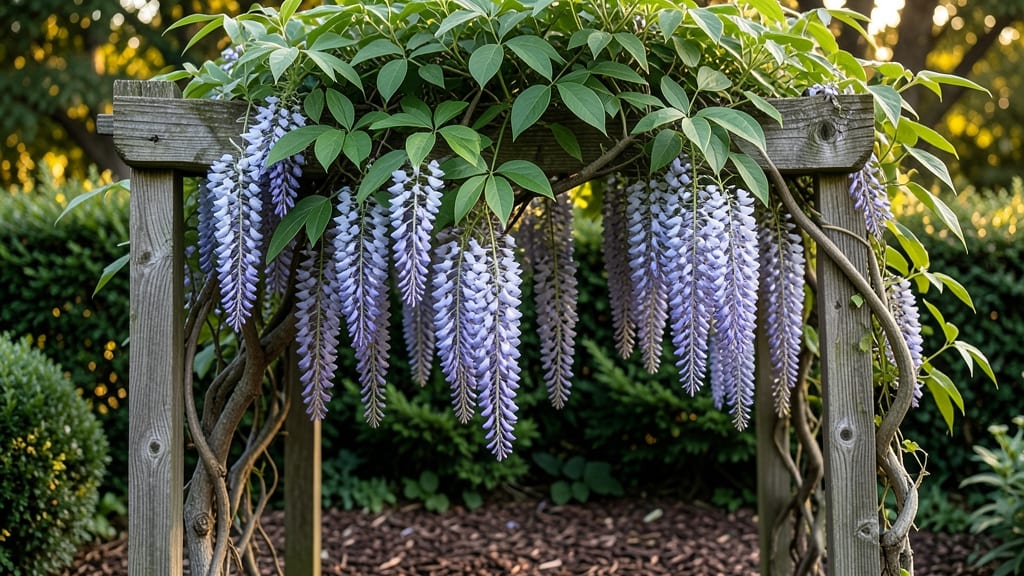
The blue Chinese wisteria tree offers breathtaking speed—it can create a living privacy screen in just 5 years—but that rapid growth comes with serious pros and cons. 🌿 The cascading blue-violet blooms and sweet fragrance make it a showstopper, but its aggressive vines and pruning demands mean it’s not for every gardener.
Before you plant, you’ll need to weigh its stunning beauty against its high-maintenance nature and potential to overtake your yard.
The biggest pro? Speed. This wisteria can climb 20-30 feet per year if left unchecked, making it ideal for quick shade or trellis coverage. Its spring blooms are highly fragrant and attract pollinators, while the deep green foliage adds year-round interest.
It thrives in USDA Zones 5-9 and adapts to various soil types, though it prefers well-drained, slightly acidic soil. For gardeners with patience and space, it’s a dramatic focal point—but only if you’re ready for the work.
Here’s the catch: those fast-growing vines require heavy pruning (twice a year) to control spread, or they’ll smother nearby plants and even buildings. The wood is heavy and brittle, making pruning dangerous without proper tools.
Plus, all parts of the plant are toxic if ingested, so it’s not pet- or child-friendly. If you’re not prepared for annual maintenance or have limited space, this isn’t the vine for you.
For those who commit, the payoff is worth it—vibrant blooms, lush foliage, and a fragrant spring display few other plants match. But if you want low-maintenance beauty, look elsewhere. This wisteria demands respect, and it rewards only the most dedicated gardeners.
The first product explained
Meet the Blue Chinese Wisteria Tree (Wisteria sinensis 'Amethyst Falls')—a stunning, fast-growing vine that’s stealing the spotlight in gardens and urban landscapes alike! 🌿✨ This cultivar is a showstopper with its vibrant blue-violet blooms and lush, cascading foliage, making it a top pick for privacy screens, trellises, and even dramatic backyard canopies.
But before you plant, let’s dive into what makes this beauty tick—and whether it’s the right fit for your green space.
🌱 Key Specs & Features
Here’s the lowdown on the Blue Chinese Wisteria’s standout traits:
- Growth Rate: Rapid! This vine can grow 10–20 feet per year if given the right conditions—ideal for quick privacy or shade solutions. 🚀
- Mature Size: Climbs to 30–50 feet (or more!) with proper support, making it perfect for large pergolas, fences, or even old trees.
- Bloom Time: Spring (April–May), with fragrant, clustered blue-violet flowers that attract bees and hummingbirds. (Bonus: Some varieties rebloom lightly in fall!) 🐝💜
- Foliage: Dark green, semi-evergreen (depending on climate), with a glossy finish that adds year-round interest.
- Hardiness Zones: 5–9—thrives in mild to warm climates but may need winter protection in colder zones.
- Sunlight Needs: Full sun (6+ hours/day) for optimal blooms and growth. Partial shade is tolerable but may reduce flowering.
- Soil Preference: Well-draining, slightly acidic to neutral soil (pH 6.0–7.0). Avoid waterlogged roots!
🎯 Who’s It For?
The Blue Chinese Wisteria is a dream for:
- Homeowners seeking fast, natural privacy (think: backyard screens or balcony covers).
- Urban gardeners with trellises, arbors, or pergolas—its cascading habit adds drama!
- Landscape designers who love textural contrast (pair it with evergreens or roses for a showstopper combo).
- Wildlife enthusiasts—its flowers feed pollinators, and its dense growth provides shelter for birds. 🐦
💰 Price Point & Availability
Ready to plant? Here’s what you can expect:
| Item | Price Range (USD) | Notes |
|---|---|---|
| 1-Gallon Container (Young Plant) | $40–$70 | Great for small spaces or container gardening. |
| 5-Gallon Container (Established) | $80–$150 | Faster growth; ideal for larger projects. |
| Bare-Root (Mail-Order) | $30–$60 | Cheaper but requires careful planting—best for experienced gardeners. |
| Established Vines (10+ ft.) | $200–$500+ | Instant impact but pricier; often sold at specialty nurseries. |
Pro Tip: 💡 Buy from reputable nurseries (e.g., Fast-Growing-Trees.com or local botanical gardens) to avoid disease-prone specimens. Always check for certified disease-free labels!
The second product explained
If you're looking for a fast-growing, low-maintenance alternative to the classic Chinese wisteria, the Wisteria sinensis 'Amethyst Falls' (often called the Blue Chinese Wisteria) is a stunning choice.
This cultivar stands out with its vibrant lavender-blue flowers and compact growth habit, making it a favorite among gardeners who want beauty without the aggressive spread of traditional wisteria varieties.
🌿 Key Specs & Features
Here’s what sets this tree apart:
- Growth Rate: Moderate to fast (12–24 inches per year under ideal conditions).
- Mature Size: 15–25 feet tall and 10–15 feet wide—perfect for medium-sized yards or as a privacy screen.
- Flower Color: Stunning amethyst-blue blooms in spring, with occasional summer reblooms.
- Foliage: Glossy, dark green leaves that turn golden-yellow in fall.
- Hardiness: USDA Zones 5–9 (cold-hardy but may need winter protection in Zone 5).
- Sunlight Needs: Full sun (6+ hours daily) for optimal flowering.
- Soil Preference: Well-draining, slightly acidic to neutral soil (tolerates clay but dislikes waterlogged roots).
🎯 Who Is This Tree For?
This wisteria is ideal for:
- Homeowners who want a privacy-friendly tree without the rambling chaos of traditional wisteria.
- Urban gardeners with limited space but a love for colorful climbers (great for trellises or arbors!).
- Landscapers designing low-maintenance, high-impact gardens.
- Wildlife lovers—its flowers attract bees and butterflies!
💰 Price Point & Value
Pricing varies by nursery and size, but here’s a general range:
| Size | Price Range (USD) | Best For |
|---|---|---|
| 1–3 gallon container | $45–$85 | Small spaces, container gardening |
| 5–15 gallon container | $90–$200 | Established yards, privacy screens |
| Field-grown (larger specimens) | $250–$500+ | Quick impact, mature look |
Pro Tip: 💡 Buy from reputable nurseries to avoid disease-prone or poorly grafted plants. Look for labels confirming it’s a Wisteria sinensis cultivar—not a hybrid that may revert to invasive traits.
Head-to-head comparison
Ready to weigh the pros and cons of the blue Chinese wisteria tree? Let’s break it down in a clear, side-by-side comparison to help you decide if this stunning vine is the right fit for your garden.
Whether you’re dreaming of a lush privacy screen or a dramatic climbing accent, understanding its strengths and challenges will guide your decision. Here’s what you need to know:
🌿 Growth Performance
The blue Chinese wisteria (Wisteria sinensis) is a fast-growing powerhouse, but its growth habits can be polarizing. Here’s how it stacks up:
- ✅ Pros:
- Rapid vertical growth: Can climb 10–20 feet per year if given proper support, making it ideal for quick privacy solutions or trellises.
- Dense foliage: Forms a thick canopy once established, blocking sunlight and noise effectively.
- Early blooms: Produces fragrant, vibrant blue-purple flowers in spring (sometimes again in fall), adding seasonal interest.
- ❌ Cons:
- Aggressive spread: Its roots and vines can invade nearby structures or other plants if not contained. Unlike some vines, it doesn’t self-prune, so unchecked growth can become unmanageable.
- Seasonal dormancy: Loses leaves in winter, leaving your privacy screen exposed until spring regrowth.
🌱 Features & Aesthetics
This vine isn’t just functional—it’s a visual showstopper. But beauty comes with trade-offs:
| Pros | Cons |
|---|---|
|
|
💰 Cost & Maintenance
Budget-friendly upfront, but long-term costs add up—especially if you’re not prepared for its high-maintenance nature.
- ✅ Pros:
- Affordable purchase: Seedlings or young plants cost $20–$50 (vs. $100+ for mature specimens).
- Low water needs: Drought-tolerant once established, reducing irrigation costs.
- ❌ Cons:
- High pruning costs: Professional pruning (required annually) can run $100–$300+ per year for large plants.
- Fertilizer dependency: Needs regular feeding (especially phosphorus) to support blooms and growth, adding $50–$150/year in amendments.
- Potential property damage: If roots or vines damage structures, repair costs (e.g., fence or roof fixes) could offset initial savings.
🏗️ Durability & Longevity
This vine is built to last—but only if you’re ready to commit to upkeep. Here’s the longevity breakdown:
| Pros | Cons |
|---|---|
|
|
🌍 Environmental Impact
Eco-conscious gardeners should note these green pros and cons:
- ✅ Pros:
- 🌱 Native adaptability: While not native to the U.S., it’s non-invasive in most regions (unlike English ivy or kudzu).
- 🌳 Carbon sequestration: As a fast-growing vine, it absorbs CO₂ efficiently during its active seasons.
- ❌ Cons:
- 🚫 Invasive potential: Can become aggressive in warm climates (zones 8–10), escaping cultivation and outcompeting natives.
- 💧 Water demand: While drought-tolerant once established, young plants need consistent watering, which may strain local resources in dry areas.
🎯 Best For vs. Avoid For
Not every garden is a match for this vine. Here’s who should plant it and who should think twice:
| Best For | Avoid For |
|---|---|
|