
Pests and Diseases
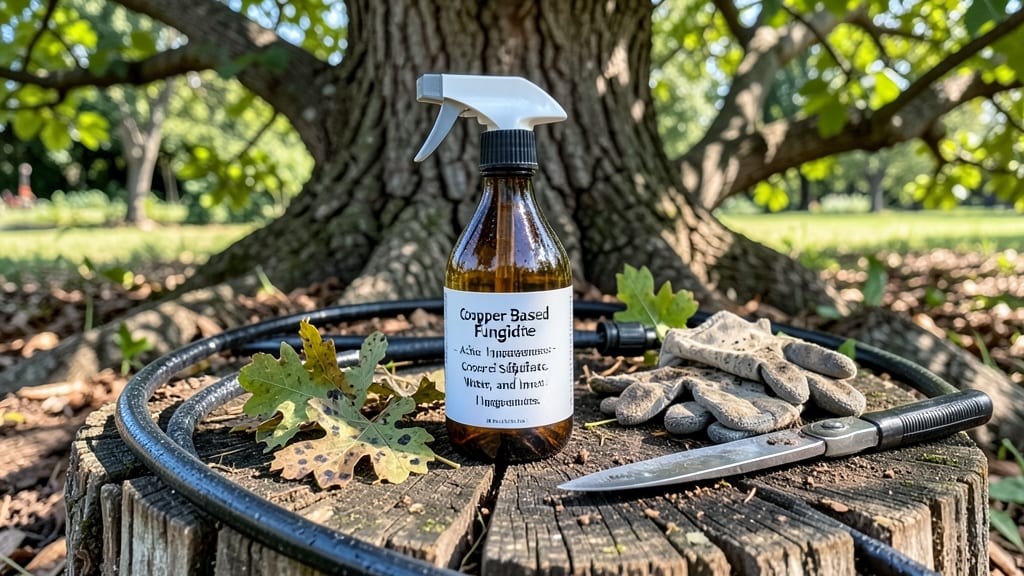
The treatment for black spots on tree leaves is simpler than you think—once you know the right approach. ✨ I’ve battled this on my oak and maple trees, and the key is acting fast before the fungus spreads. Most people panic and grab the strongest fungicide, but the real fix starts with proper cleanup and smart watering habits.
The culprits are usually fungal diseases like anthracnose or bacterial leaf spot, thriving in wet, shaded conditions. Overhead watering, poor air circulation, and old mulch around the trunk create the perfect storm.
My trees turned around completely after I stopped watering from above and thinned out the lower branches to improve airflow.
You’ll see new growth within weeks if you prune infected leaves, apply a copper fungicide (organic option: neem oil), and water at the base instead of the canopy. The spots will fade, and your tree’s energy will shift back to producing strong, healthy foliage.
For stubborn cases or high-value trees, call an arborist—sometimes the fungus has already weakened the wood. But in most cases, this 3-step method works like a charm, even for fruit trees and oaks.
Root Causes Of Leaf Spots
Black spots on tree leaves aren’t just an eyesore—they’re often a sign of underlying stress or infection. Understanding why these spots appear is the first step to treating them effectively.
Below, we break down the most common culprits, from environmental factors to microscopic invaders, with clear explanations of how they damage your trees.
Fungi are the #1 cause of black spots on leaves, thriving in warm, damp conditions. These organisms release spores that land on leaves, germinate, and create dark, often circular lesions. Here’s how they work:
- Pathogen Entry: Fungal spores (like those from Alternaria, Cercospora, or Anthracnose) land on leaves through wind, rain, or splashing water. Once moisture lingers, they germinate within 24–48 hours.
- Leaf Decay: Fungi penetrate the leaf cuticle, feeding on nutrients. This disrupts photosynthesis, causing spots to expand, turn brown or black, and sometimes drop prematurely.
- Environmental Triggers:
- High humidity (>75%) for 48+ hours creates the perfect breeding ground.
- Slow-drying foliage (e.g., dense canopies or poor air circulation) traps moisture.
- Warm temperatures (70–85°F) accelerate fungal growth.
Pro Tip: 💡 Fungal spots often start as tiny yellow dots before turning black. Catching them early means less damage and easier treatment!
Unlike fungi, bacteria cause spots by infecting leaf tissue directly, often through wounds or natural openings like stomata. Common offenders include Xanthomonas and Pseudomonas. Here’s how they strike:
- Initial Infection: Bacteria enter leaves via rain splatter, tools, or even insects. They multiply rapidly in wet conditions, creating water-soaked spots that later darken and develop a greasy texture.
- Systemic Spread: Some bacteria (like Erwinia) can move into the tree’s vascular system, causing wilting or leaf drop.
- Key Conditions:
- Heavy rain or overhead irrigation spreads bacteria like wildfire.
- Poor sanitation (e.g., old mulch or infected pruning tools) harbors bacteria between seasons.
Watch For: 🔍 Bacterial spots often have a yellow halo and ooze when wet—unlike fungal spots, which rarely “bleed.”
Not all black spots are caused by pathogens. Sometimes, your tree’s environmental conditions trigger stress responses that manifest as discoloration. Common triggers include:
| Stressor | How It Causes Spots | Actionable Fix |
|---|---|---|
| 💧 Overwatering | Soggy soil leads to root rot, starving leaves of nutrients. Dark spots appear as a symptom of nutrient deficiency (e.g., iron or magnesium). | Check soil moisture 2 inches deep—water only when dry. |
| ☀️ Sun Scorch | Intense afternoon sun burns leaf edges, creating brown/black crispy spots, especially on thin-leaved trees (e.g., maples, oaks). | Provide afternoon shade or mulch to retain moisture. |
| 🌬️ Pollution or Salt Buildup | Urban trees exposed to ozone, sulfur dioxide, or road salt develop stippled black spots from cellular damage. | Flush soil with water or use chelated iron supplements. |
Pro Tip: 🌡️ If spots appear only on lower leaves or in patterns, environmental stress is likely the culprit—not a disease.
Some black spots aren’t from pathogens at all—they’re pest byproducts. Insects like aphids, mites, or scale leave behind:
- Honeydew & Sooty Mold: Aphids and scale excrete sticky honeydew, which attracts sooty mold fungi. This mold coats leaves in a black, velvety layer, blocking sunlight.
- Direct Feeding Damage: Spider mites or leaf miners create tiny black specks from feeding or frass (insect waste).
- Tell-Tale Signs:
- Sticky residue on leaves or car surfaces below the tree.
- Visible webbing (mites) or curled leaves (aphids).
Quick Test: 🔍 Wipe a leaf with a damp cloth—if black residue comes off, it’s likely sooty mold from pests, not a direct fungal infection.
Now that you know why those black spots appeared, the next step is identifying the right fix—and stopping the cycle before it spreads. Stay tuned!
Quick Fixes for Leaf Spot Diseases
Now that you know what’s causing those pesky black spots on your tree leaves, let’s tackle the problem head-on with effective, step-by-step solutions tailored to the root cause.
Whether it’s fungal infections, nutrient deficiencies, or environmental stress, these fixes will help restore your tree’s health—without breaking the bank or your back. 🌿✨
If your tree is battling anthracnose, leaf spot, or powdery mildew, act fast to stop the spread and revive its vigor.
🔪 Step 1: Remove Infected Leaves & Branches
- Prune aggressively: Use sterilized pruners (wipe with rubbing alcohol between cuts) to remove all leaves with black spots, as well as any nearby branches showing signs of disease.
- Dispose properly: Bag the clippings in a plastic bag and toss them in the trash—do not compost them, or you’ll risk reinfecting your garden.
- Thin the canopy: Improve airflow by trimming back dense foliage.
Fungal spores thrive in humid, stagnant air, so open up the tree to let sunlight and breeze circulate.
🛡️ Step 2: Apply Fungicidal Treatments
- Store-bought fungicides: Use copper-based sprays (like Copper Soap) or neem oil (a natural fungicide).
Follow label instructions—usually 1-2 sprays every 7-14 days until new growth appears. - DIY baking soda spray: Mix 1 tsp baking soda + 1 tbsp vegetable oil + 1 tsp dish soap in 1 quart of water.
Spray early in the morning (avoid direct sunlight) to prevent leaf burn. - Prevent recurrence: After treating, reapply fungicide every 2-3 weeks during wet seasons to keep spores at bay.
💡 Pro Tip for Fungal Prevention
✨ Water at the base, not the leaves—fungi love damp foliage. Use a soaker hose or drip irrigation to keep the soil moist without wetting the leaves. 🌡️ Avoid overhead watering in the evening, as humidity overnight encourages fungal growth.
If black spots are a sign of iron, manganese, or zinc deficiency, your tree needs a nutrient boost to bounce back.
🍄 Step 1: Test Your Soil
- Grab a soil test kit (available at garden centers) or send a sample to your local cooperative extension service for a professional analysis. This will tell you exactly what’s missing—pH, nitrogen, phosphorus, potassium, and micronutrients.
💊 Step 2: Amend the Soil
- For iron/chlorosis (yellowing between veins):
- Sprinkle iron sulfate or chelated iron around the root zone and water it in.
- Pro tip: Mix compost or well-rotted manure into the top 6 inches of soil to improve organic matter and nutrient availability.
- For general deficiency:
- Use a balanced fertilizer (like 10-10-10) in early spring, followed by a slow-release granular fertilizer in late summer.
- Avoid over-fertilizing—this can burn roots and worsen the issue.
🌿 Step 3: Mulch for Moisture & Nutrients
- Apply a 2-3 inch layer of organic mulch (like wood chips or shredded bark) around the tree’s drip line (the edge of its canopy).
- Why? Mulch retains moisture, regulates soil temperature, and slowly releases nutrients as it breaks down.
If black spots are due to sunburn, frost damage, or poor drainage, tweak your tree’s growing conditions to prevent future issues.
☀️ Step 1: Shield from Harsh Conditions
- Sunburn protection: If your tree is suddenly getting more sunlight (e.g., after a nearby tree was removed), provide temporary shade with a lightweight fabric screen until it acclimates.
- Frost damage: If cold snaps caused the spots, water the tree deeply before the first frost to help it withstand freezing temps.
In winter, wrap young trees with burlap or tree guards for extra protection.
💧 Step 2: Improve Drainage
- If your tree is in clay soil or a low-lying area, amend the soil with sand or perlite to improve drainage.
- Pro tip: Plant trees in mounds (slightly elevated) to prevent waterlogging, especially in heavy rain or after irrigation.
🎯 Step 3: Strengthen Tree Resilience
- Water deeply but infrequently: Aim for 1-2 inches of water per week (including rain).
Use a moisture meter to check soil levels. - Avoid compacting soil: Stay off the root zone with heavy equipment or foot traffic—aerate the soil if it’s become too dense.
If your tree is heavily infested or stressed, take these extra steps to save it:
| Issue | Emergency Fix | When to Call a Pro |
|---|---|---|
| Large fungal outbreak | Systemic fungicide (like Propiconazole) injected into the tree. | If >50% of leaves are affected. |
| Root rot suspected | Reduce watering, add sand to soil, and consider root aeration. | If the tree is wilting despite water. |
| Pest infestation | Insecticidal soap or horticultural oil spray. | If you see borers, mites, or scale. |
To keep your tree spot-free and thriving, follow this year-round care plan:
✅ Spring: Prune dead/diseased branches, apply preventative fungicide, and fertilize. ✅ Summer: Monitor for early signs of stress (yellowing, wilting), water deeply, and mulch. ✅ Fall: Rake up fallen leaves (especially if diseased) and prune again to improve airflow. ✅ Winter: Protect young trees from frost, and avoid heavy pruning (dormant season is best for major cuts).
Final Thought: Most black spot issues are manageable with timely action—don’t wait until the problem spreads! Start with pruning and fungicides, then adjust soil and watering habits for lasting results. Your tree will thank you with lush, healthy foliage in no time. 🌳💚
Frequently asked questions
Can I use household vinegar to treat black spots on tree leaves?
While vinegar can kill some fungal spores, it's not recommended for treating tree leaves. Vinegar's acidity can damage leaf tissue and harm beneficial microbes in the soil. Instead, use copper fungicide or neem oil—they're safer and more effective for fungal infections. For a DIY option, try a baking soda spray (1 tsp baking soda + 1 tbsp oil + 1 tsp soap in 1 quart water).
How long does it take to see improvement after treating fungal leaf spots?
With proper treatment, you should see new growth within 2-4 weeks. Existing spots won't disappear instantly, but they'll stop spreading. Continue applying fungicide every 7-14 days during wet seasons. For severe cases, it may take 2-3 months for full recovery, especially if the tree was already stressed. Patience is key!
Will pruning infected branches help stop the spread of black spots?
Pruning removes the source of infection and improves airflow, which is crucial for recovery. Always use sterilized tools (wipe with rubbing alcohol) and dispose of infected leaves in the trash—not compost. Thin out dense foliage to reduce humidity where spores thrive. This single step can cut infection rates by 50% or more.
Are black spots on fruit trees different from ornamental trees?
Not significantly in treatment, but fruit trees often need more aggressive action. Fungal spots on fruit trees (like apples or peaches) can reduce yield, so use systemic fungicides (like Propiconazole) for severe cases. For ornamentals, focus on preventative care—pruning, proper watering, and fungicide sprays. Both types respond well to copper-based treatments and improved growing conditions.
When should I call an arborist for black spots on tree leaves?
Consider professional help if you see these signs: 50%+ leaf loss, oozing spots (bacterial infection), wilting despite water, or if the tree is valuable/large. Arborists can diagnose hidden issues like root rot or systemic infections. For most home gardeners, DIY treatments work—but when in doubt, a second opinion prevents permanent damage.