
Trees
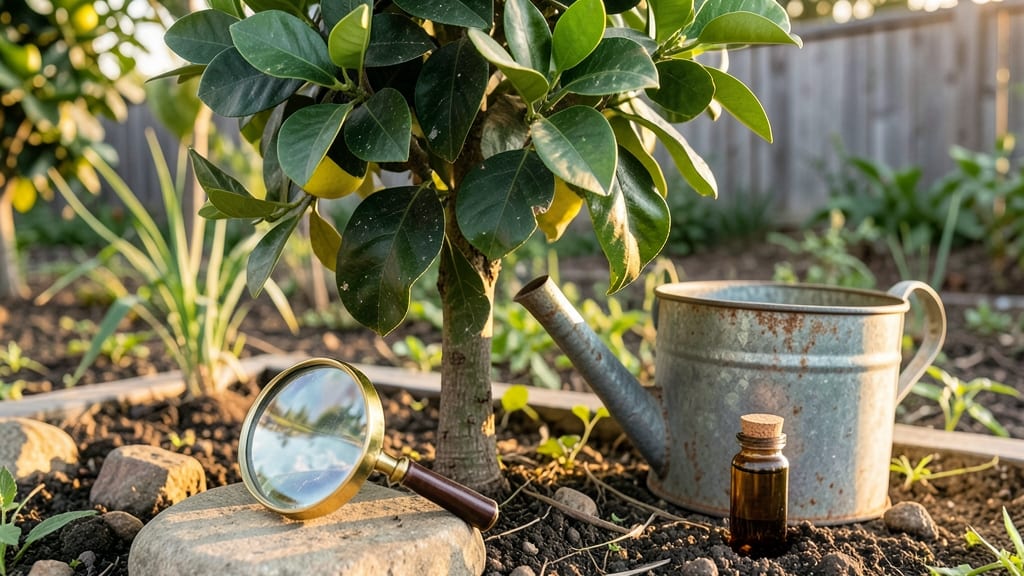
Your lime tree’s curled leaves are screaming for help—before it’s too late. 🌿 I’ve seen firsthand how quickly a thriving citrus tree can spiral into decline when those tiny leaves start twisting, and the good news is, most fixes are simpler than you think.
The key? Spotting the real cause—whether it’s hidden pests, fungal pressure, or just plain old watering mistakes—so you can act fast.
Start by flipping those leaves over—spider mites or scale love to camp out on the undersides, leaving behind sticky residue or fine webbing. If the leaves also show yellowing or spots, citrus greening or melanose might be the culprits.
And don’t overlook the basics: overwatering (soggy roots) or drought stress (crunchy soil) both trigger curling, especially in true limes (Citrus aurantifolia) that hate wet feet.
Within 2-3 weeks of targeted fixes—like a neem oil spray, pruning damaged growth, or adjusting your watering schedule—you’ll see leaves unfurl again. The secret? Acting before the tree’s energy drains into fighting symptoms.
A healthy tree isn’t just about pretty leaves—it’s about bold, fragrant blooms and fruit that actually ripens.
Whether your tree is a true lime or a non-citrus "lime" (like a Tilia), the same principles apply—just tweak the solutions. Let’s turn those curled leaves into vibrant green signals of a comeback.
Underlying Causes Of Leaf Curling
When your lime tree’s leaves start curling, it’s often a silent SOS from the tree—signaling stress from unseen threats. Understanding the root causes helps you take precise action.
Below, we break down the most common reasons behind this issue, from environmental factors to pests and diseases, with clear explanations and actionable insights.
Lime trees thrive in warm climates, but excessive heat or drought can trigger leaf curling as a survival mechanism. When temperatures soar or soil moisture drops, the tree conserves water by reducing leaf surface area—causing edges to curl inward.
- Why it happens: High transpiration rates (water loss through leaves) force the tree to slow photosynthesis. Curling minimizes exposure to scorching sun and reduces water evaporation.
- Key signs:
- Leaves feel dry or crispy to the touch.
- Curling occurs on younger leaves first, often paired with yellowing (chlorosis).
- Soil pulls away from pot edges (if potted) or cracks in the ground (if in-ground).
- Actionable fixes:
- 💡 Water deeply 2–3 times per week during heatwaves (check soil moisture 2 inches below the surface—if dry, water).
- 🌿 Mulch heavily (3–4 inches of organic mulch like wood chips) to retain moisture and regulate soil temperature.
- ✨ Provide afternoon shade with shade cloth (30–50%) if temperatures exceed 95°F (35°C).
- 🔥 Avoid overhead watering—use drip irrigation or soaker hoses to prevent leaf burn.
Pests like spider mites, aphids, scale insects, and citrus leaf miners feed on sap, disrupting nutrient flow and triggering leaf curling. Their damage weakens the tree’s ability to photosynthesize, leading to stunted growth and deformed leaves.
| Pest | How They Cause Curling | What to Look For |
|---|---|---|
| Spider Mites | Pierce cells to suck sap, causing leaf edges to curl upward and develop stippling (tiny white/yellow dots). |
|
| Aphids | Cluster on new growth, injecting toxins that distort leaves into a "cup" shape and secrete honeydew (a sticky residue). |
|
| Scale Insects | Attach to stems/leaves, draining sap and causing curled, thickened leaves. Their waste (honeydew) attracts mold. |
|
| Citrus Leaf Miners | Larvae burrow into leaves, creating serpentine tunnels that distort and curl leaf tissue. |
|
Actionable fixes:
- 🔥 Isolate infested trees to prevent spread. Prune and dispose of heavily damaged leaves in sealed bags.
- 🌡️ Blast pests off with a strong spray of water (for aphids/scale), or use insecticidal soap (follow label rates).
- 💡 Introduce natural predators: Ladybugs (aphids), predatory mites (spider mites), or parasitic wasps (leaf miners).
- ✨ Neem oil treatment: Mix 1 tbsp neem oil + 1 tsp mild dish soap per gallon of water. Spray undersides of leaves every 5–7 days for 2–3 weeks.
Lime trees are heavy feeders, and imbalances in nutrients—especially nitrogen, magnesium, or zinc—can lead to curled, distorted leaves. Over- or under-fertilization, poor soil quality, or incorrect pH levels (lime trees prefer 6.0–7.0) disrupt cellular function, causing leaves to pucker or roll.
- Common deficiencies:
- Nitrogen (N): Leaves curl downward, turn pale green/yellow, and may show stunted growth.
- Magnesium (Mg): Interveinal chlorosis (yellowing between veins) with curled edges, often on older leaves first.
- Zinc (Zn): Small, curled leaves with thickened, brittle texture (common in alkaline soils).
- Iron (Fe): Young leaves curl upward and develop yellowing (chlorosis) in acidic or waterlogged soils.
- Toxicities:
- Excess salt (from over-fertilization or poor water quality): Leaf edges curl upward, crisp, and brown.
- Boron or copper buildup: Leaves thicken, curl, and develop brown spots or scorch marks.
Actionable fixes:
- 📊 Test your soil with a home kit or send a sample to a local extension service for a full analysis.
- 🌿 Amend soil:
- For acid-loving trees, add sulfur or peat moss to lower pH.
- For alkaline soils, mix in compost or chelated iron.
- 💡 Fertilize correctly:
- Use a balanced citrus fertilizer (e.g., 6-6-6 or 8-3-9) in early spring and mid-summer.
- Avoid high-nitrogen fertilizers in winter—they promote soft growth vulnerable to frost.
- ✨ Flush the soil if salt buildup is suspected: Water heavily for 15–20 minutes to leach excess salts.
While drought stresses lime trees, overwatering is just as
Fixing Curled Leaves Naturally
Curled or distorted leaves on your lime tree aren’t just unsightly—they’re a cry for help. But the good news? Most causes have simple, effective fixes. Below, we’ll break down targeted solutions for each common culprit, from quick fixes to long-term prevention.
Think of this as your lime tree’s emergency repair kit—no green thumb required!
Fix: Drainage first, then adjust watering.
- 🔥 Check the Roots Gently loosen the top 2–3 inches of soil around the tree’s base. If the roots look soggy, mushy, or gray, overwatering is the villain. Healthy roots should be firm and white or tan.
- 🍳 Improve Soil Drainage
- For containers: Repot into a larger pot with fresh, well-draining citrus mix (add perlite or pumice for aeration).
- For ground-planted trees: Dig a 6-inch-deep trench around the base and fill it with gravel or coarse sand to encourage drainage.
- ⏰ Water Smarter - Test soil moisture: Stick your finger 2 inches deep—if it’s damp, wait. Lime trees prefer slightly dry soil between waterings. - Water deeply but less often: Aim for 1–1.5 inches per week (adjust for rain).
Use a soaker hose to avoid wetting leaves (which attracts fungal diseases).
- 💡 Pro Tip: If your tree is in a pot, drill drainage holes if missing—no excuses! And never let it sit in saucers of water.
Fix: Shade + hydration = relief.
- 👨🍳 Provide Afternoon Shade
- Move potted lime trees to a spot with morning sun and afternoon shade (especially in zones 9+).
- Use lightweight shade cloth (30–50%) if full sun is unavoidable.
- 🥘 Mulch Like a Pro Spread 2–3 inches of organic mulch (wood chips, straw) around the base (keep it 6 inches from the trunk). This keeps roots cool and moist.
- 🌡️ Hydrate During Heatwaves
- Water deeply twice a week in extreme heat (check soil moisture daily).
- Mist leaves in the early morning to prevent scorching (avoid evening misting—fungus risk!).
- ✨ Prevention Hack: Train young lime trees to partial shade early—they’ll thank you later with fewer curled leaves.
Fix: Isolate, treat, and monitor.
- 🔪 Identify the Pest
- Scale insects: Sticky residue on leaves? Scrape off brown, shell-like bumps.
- Spider mites: Tiny webs on undersides? Look for speckled yellow leaves.
- Aphids: Clusters of tiny green/black bugs on new growth.
- 🍎 Natural Pest Control
- Neem oil spray: Mix 1 tbsp neem oil + 1 tsp mild soap + 1 quart water. Spray every 5–7 days until pests vanish.
- Horticultural oil: For stubborn scale, apply oil in late winter/early spring (when pests are dormant).
- 🎯 Manual Removal
- Blast pests off with a strong spray of water (use a hose nozzle).
- Prune infested branches and dispose of them in sealed bags.
- 💡 Long-Term Defense:
- Encourage beneficial insects (ladybugs, lacewings) by planting marigolds or dill nearby.
- Inspect leaves weekly—catch pests early!
Fix: Soil test + balanced feeding.
- 📊 Test Your Soil
- Grab a DIY soil test kit (or send a sample to a local extension office). Lime trees love:
- pH 6.0–7.0
- High nitrogen (N) for leaves, but balanced NPK (e.g., 6-6-6)
- Grab a DIY soil test kit (or send a sample to a local extension office). Lime trees love:
- 🥗 Adjust Fertilizer
- If yellowing leaves (nitrogen deficiency): Use a balanced citrus fertilizer (like 8-3-9) every 6–8 weeks in growing season.
- If brown leaf tips (over-fertilizing): Flush the soil with water to leach excess salts. Avoid fertilizing for 2 months.
- 🍎 Micronutrient Boost
- Epsom salt (magnesium): Mix 1 tbsp per gallon of water and spray leaves monthly for yellowing between veins.
- Iron chelate: For chlorotic (yellow) new growth, apply per label instructions.
- 💡 Feeding Schedule:
- Spring/Summer: Fertilize every 6 weeks.
- Fall/Winter: Stop fertilizing—let the tree rest!
Fix: Prune, clean, and prevent spread.
- 🔪 Prune Infected Parts
- Cut off curled, spotted, or mushy leaves/branches with sterilized pruners (wipe with rubbing alcohol between cuts).
- Dispose of clippings in the trash (don’t compost!).
- 🍳 Fungicide Treatment
- Copper fungicide: Spray every 2 weeks for bacterial issues (like citrus canker).
- Baking soda spray (for powdery mildew): Mix 1 tsp baking soda + 1 tbsp oil + 1 quart water. Spray weekly until cured.
- 🌡️ Improve Airflow
- Thin out dense foliage to reduce humidity near leaves.
- Space trees 6–8 feet apart if planting multiple lime trees.
- ✨ Prevention Checklist:
- Water at the base (avoid wetting leaves).
- Clean up fallen leaves/debris regularly.
- Avoid overhead irrigation.
If your lime tree is severely root-bound, diseased, or in poor soil, it may need a new home.
- 🌱 Choose the Right Time
- Best time: Early spring or fall (avoid summer heat).
- 🍳 Dig Carefully
- Water the tree 2 days before moving to reduce transplant shock.
- Dig a wide hole (twice as wide as the root ball) with loose, amended soil.
- 👨🍳 Repot or Replant
- For pots: Use fresh citrus mix + slow-release fertilizer.
- For ground: Mix compost and sand into the native soil.
- 💡 Post-Move Care:
- Shade the tree for 2 weeks to reduce stress.
- Water deeply every 3–4 days until new growth appears.
- 🌡️ Monitor soil moisture with a moisture meter (overwatering is #1 enemy!).
- 🍎 Rotate fertilizer types to avoid lockouts (e.g., switch between organic and synthetic).
- 🐞 Introduce pest predators like ladybugs or parasitic wasps (buy from garden centers).
- 🌿 Prune regularly to improve airflow and sunlight penetration.
- 📅 Follow a citrus care calendar (e.g., fertilize in spring, prune in late winter).
Remember: Patience is key! Some fixes (like drainage improvements) take weeks to show results, but consistent care will have your lime tree flaunting healthy, glossy leaves in no time. 🍋✨
Frequently asked questions
Why do my lime tree leaves curl upward instead of downward?
Upward curling often signals drought stress or nutrient deficiencies like zinc or magnesium. Check the soil—if it's bone-dry 2 inches deep, water deeply. For nutrient issues, use Epsom salt (1 tbsp/gallon) for magnesium or a chelated zinc spray if leaves are small and brittle.
Can I use household vinegar as a pest treatment for curled leaves?
No—vinegar is too harsh for lime trees. Instead, use neem oil (1 tbsp + 1 tsp soap per gallon) or insecticidal soap. Vinegar can burn leaves and disrupt soil pH. For spider mites, a strong water spray (50 psi) works too, but repeat every 3–4 days.
How do I tell if my lime tree’s curled leaves are from overwatering vs. pests?
Check the roots: Soggy, gray roots = overwatering. Look for webbing or tiny bugs on leaf undersides = pests. Also, overwatered leaves often feel mushy, while pest-damaged leaves may have stippling or honeydew residue. Test soil moisture before assuming!
Will pruning curled leaves help my lime tree recover faster?
Yes, but only if the curling is from pests or disease. Prune only the most damaged leaves to reduce stress. Avoid heavy pruning—lime trees heal slowly. For nutrient issues or environmental stress, focus on fixing the root cause (water, soil, or pests) first.
Can I save my lime tree if half the leaves are curled and yellow?
Act within 2–3 weeks to reverse damage. Start with neem oil for pests, adjust watering, and test soil pH. If roots are rotting (black/mushy), repot with fresh, well-draining mix. Most lime trees bounce back with consistent care—just don’t wait until the whole tree looks sick!