
Pests and Diseases
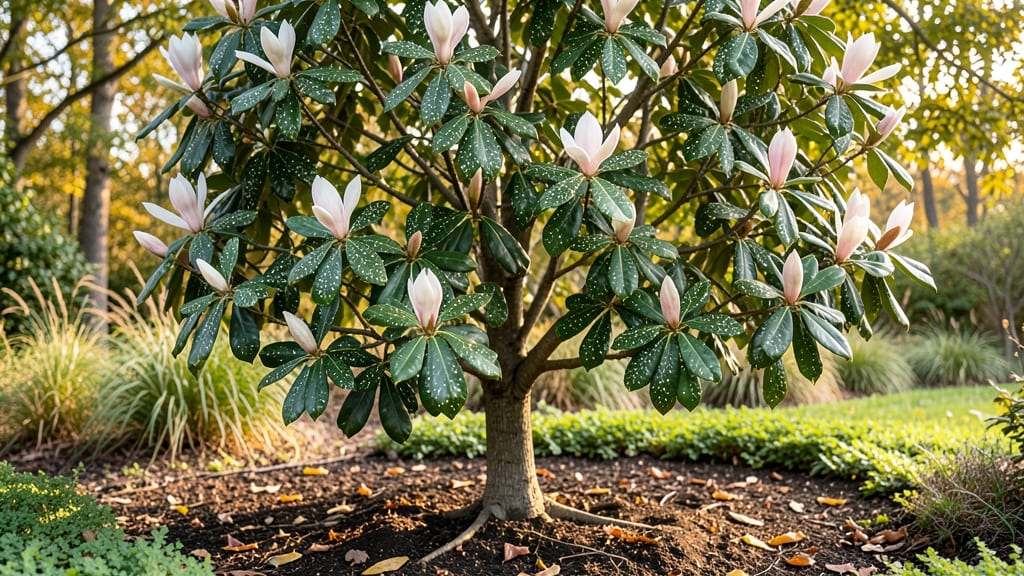
White spots on magnolia leaves mean your tree is fighting a fungal battle. 🌿 I’ve seen this happen after weeks of damp spring weather—those powdery patches aren’t just unsightly; they weaken the tree if ignored.
The good news? Most cases are treatable with the right approach, and prevention keeps them from returning next season.
First, confirm what you’re dealing with: powdery mildew leaves a chalky residue, while leaf spot causes dark edges around lighter centers. Spider mites create tiny yellow stipples, not spots.
Grab a magnifying glass—this detail makes all the difference in choosing the right fix. Most home gardeners can tackle this without harsh chemicals, but timing matters.
You’ll restore your magnolia’s health with a mix of pruning, fungicide sprays, and better airflow. Start by removing heavily spotted leaves (compost them, don’t toss them in the yard). Then apply a neem oil spray or baking soda solution—both work well for early-stage infections.
Within 2-3 weeks, new growth should emerge cleaner, and the tree’s strength returns.
Once the spots disappear, focus on prevention: water at the base (never overhead), space trees properly, and prune for airflow. If the problem persists after two treatments, it’s time to call an arborist—some fungal strains need professional-grade solutions. Your magnolia deserves to bloom without a fight next spring.
Why it happens
White spots on your magnolia tree’s leaves can feel like a mysterious attack—one day your tree looks vibrant, and the next, it’s dotted with unsightly marks. But don’t worry! These spots are almost always caused by specific, identifiable factors.
Below, we break down the most common culprits behind white spots on magnolia foliage, so you can diagnose the issue and take action.
🍄 Fungal Infections (The Most Common Culprit)
The #1 reason for white spots on magnolia leaves is fungal leaf spot diseases, such as Gloeosporium, Phyllosticta, or Cercospora. These fungi thrive in warm, humid conditions, often appearing after prolonged wetness (like heavy dew, rain, or overhead watering).
- How it starts: Fungal spores land on leaves, germinate, and create small white or grayish spots with darker borders. Over time, these spots may develop yellow halos or even cause leaf drop.
- Why it spreads: Fungi love moisture—poor air circulation, dense foliage, or wet leaves for extended periods create the perfect breeding ground.
- Key identifier: Check the underside of leaves for fuzzy or powdery growth (a sign of fungal spores).
💡 Pro Tip: Fungal infections are more aggressive in late spring and summer when temperatures hover between 70–85°F and humidity is high.
🐛 Pests Like Scale or Spider Mites
While not always visible at first, tiny pests can leave behind white, waxy residue or webbing that resembles spots. Scale insects and spider mites are notorious for this:
- Scale insects: These sap-sucking bugs excrete a sticky, white substance called honeydew, which can attract sooty mold (a black, fuzzy growth that looks like spots).
- Spider mites: Their webbing and tiny white eggs can create a speckled appearance, especially on the undersides of leaves.
🔍 How to confirm: Inspect leaves with a magnifying glass. You may spot tiny white bugs (scale) or fine webbing (mites). A gentle shake over white paper can reveal crawling pests.
🌧️ Environmental Stress from Overwatering or Poor Drainage
White spots can also signal physiological stress, often caused by:
- Overwatering: Magnolias hate soggy roots. Excess moisture can lead to edema—a condition where leaves develop water-soaked, white or translucent spots due to oxygen deprivation.
- Poor drainage: Compacted or clay-heavy soil traps water, suffocating roots and triggering stress responses in leaves.
- Chemical burns: Fertilizer salts or pesticides splashing onto leaves can cause white, crunchy spots (similar to scorch).
🌡️ Quick check: If spots appear after heavy rain or overwatering, and the tree’s soil feels damp for days, environmental stress is likely the cause.
🌿 Nutritional Deficiencies (Less Common but Possible)
While rare, severe magnesium or calcium deficiencies can cause white or yellowish interveinal spotting on magnolia leaves. These minerals are crucial for chlorophyll production, and their absence can lead to:
- Magnesium deficiency: Causes white or pale patches between leaf veins (often starting on older leaves).
- Calcium deficiency: May result in distorted, white-tipped growth, especially in new leaves.
📊 Soil test tip: If you suspect a deficiency, test your soil’s pH and nutrient levels. Magnolias prefer slightly acidic soil (pH 5.0–6.5).
How to Treat and Prevent Leaf Spots
Now that you’ve identified the likely cause of those pesky white spots on your magnolia leaves, it’s time to take action! The good news? Most fungal and bacterial issues can be managed with a mix of proactive care, targeted treatments, and smart prevention.
Below, we’ll break down step-by-step solutions tailored to each common culprit—plus tips to keep your magnolia thriving and spot-free.
Fungal infections like Gloeosporium or Cercospora thrive in damp, humid conditions. Here’s how to stop the spread and restore your tree’s health:
🔥 Step 1: Prune Infected Leaves (ASAP!)
- 👨🍳 Remove all leaves with white or brown spots (and a 6-inch margin of healthy foliage).
- ⏰ Do this in dry weather—never prune when leaves are wet (fungi love moisture!).
- 🗑️ Dispose of infected debris in the trash (not your compost bin).
💡 Step 2: Apply Fungicide (The Right Way)
- 📊 Use a copper-based fungicide (like Copper Sulfate or Chlorothalonil)—these disrupt fungal spores without harming beneficial insects.
- 🌡️ Spray in the early morning or late evening when humidity is high (but leaves are dry).
- ✨ Reapply every 7–14 days until new growth appears free of spots.
🌿 Step 3: Improve Airflow & Reduce Moisture
- 🌬️ Thin out dense branches to allow sunlight and air to circulate.
- 💦 Water at the base (not overhead) and avoid mulching too close to the trunk (keep 3–4 inches of space).
- 🌧️ If rain is frequent, consider a fungicide drench (like Neem Oil) to prevent reinfection.
💡 Prevention Pro Tips:
- 🔄 Prune in late winter/early spring (before fungal spores wake up).
- 🍂 Clean up fallen leaves in autumn to remove overwintering spores.
- 🌱 Plant magnolias in full sun (6+ hours of light)—shady spots slow drying and encourage fungi.
Bacterial infections (like Pseudomonas) cause greasy white spots that may ooze. Since bacteria spread quickly, aggressive action is key:
🔪 Step 1: Sterilize Your Tools
- 🧼 Clean pruners with rubbing alcohol (70%+) before and after trimming.
- 🚫 Avoid wounding leaves—bacteria enter through cuts or tears.
💊 Step 2: Use a Bactericide or Copper Spray
- 📊 Apply a copper fungicide (effective against some bacteria) or a bactericide like Copper Hydroxide.
- 🌿 For severe cases, a fixed copper spray (like Kocide) can help.
🌧️ Step 3: Reduce Leaf Wetness
- 💦 Water only in the morning so leaves dry by afternoon.
- 🌬️ Use a fan on hot days to speed up drying if humidity is extreme.
💡 Prevention Pro Tips:
- 🌱 Choose resistant varieties (e.g., ‘Little Gem’ or ‘Ann’ magnolias tolerate disease better).
- 🍂 Remove and destroy infected leaves immediately—don’t let them fall to the ground.
- 🌿 Space magnolias 10–15 feet apart to prevent crowding and moisture buildup.
If tiny pests are the culprits, treat the infestation directly—fungicides won’t help here!
🔍 Step 1: Identify the Pest
- 🐛 Scale insects = White, shell-like bumps on leaves/stems.
- 🕷️ Spider mites = Tiny webs + stippled (white-dotted) leaves.
- 🦋 Whiteflies = Tiny white moths that flutter when you shake the tree.
💦 Step 2: Blast Them Off
- 🌊 Spray with a strong hose stream (for scale/whiteflies).
- 🧼 Use insecticidal soap or neem oil (safe for magnolias).
- 🕷️ For mites, apply horticultural oil in early spring (before buds open).
💡 Prevention Pro Tips:
- 🌿 Inspect new plants before bringing them home.
- 🍃 Encourage natural predators (ladybugs, lacewings) by avoiding broad-spectrum pesticides.
- 🌱 Keep your magnolia healthy—stressed trees attract more pests!
If your magnolia is heavily defoliated, oozing sap, or declining fast, consult an arborist or local extension service. Some infections (like anthracnose) may require professional-grade treatments.
🌟 Final Reminder: The key to long-term success is consistency. Check your tree weekly during growing season, and act fast at the first sign of spots. With the right care, your magnolia will bounce back—and stay spotless and stunning for years! 🌿✨
Frequently asked questions
Are white spots on magnolia leaves always caused by disease?
Not necessarily! While fungal infections like powdery mildew are common, white spots can also result from pest damage (like spider mites or scale insects) or environmental stress from overwatering. Always check the undersides of leaves—pests leave webbing or tiny bugs, while fungal spots often appear fuzzy or powdery.
Can I use household items like baking soda to treat white spots?
Yes! A baking soda spray (1 tablespoon baking soda + 1 quart water + a drop of dish soap) can help prevent fungal spread. Spray it on dry leaves in the morning, but avoid using it if you suspect a bacterial infection—it won’t be effective. For pests, try a neem oil solution (1 tablespoon neem oil + 1 quart water) instead.
How often should I spray fungicide on my magnolia?
Apply fungicide every 7–14 days during active growth (spring to summer) until new leaves appear spot-free. For prevention, a single application in early spring (before blooms) can help. Always spray in the early morning or evening when humidity is high but leaves are dry—this maximizes effectiveness.
Will pruning help if my magnolia already has white spots?
Prune infected leaves immediately (don’t compost them) and remove any crossing or dense branches to improve airflow. Focus on removing 10–20% of the canopy to reduce stress. Prune in dry weather and sterilize your tools with rubbing alcohol to prevent spreading spores or pests.
When should I call an arborist for white spots?
Consult a professional if your magnolia shows severe defoliation, oozing sap, or rapid decline—these signs may indicate advanced fungal/bacterial infections like anthracnose. Also call if home treatments fail after two full growing seasons or if you’re unsure about the cause. Arborists can diagnose issues and recommend targeted solutions.