
Trees
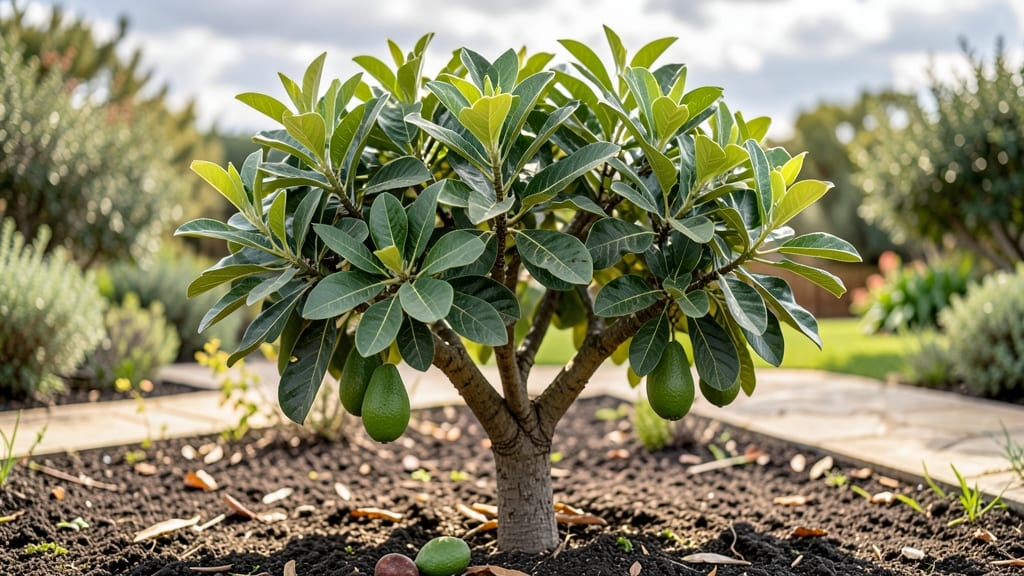
Growing avocado trees in Zone 7 feels like a gamble—until you pick the right variety. ✨ I’ve watched my Mexican (Hass) and Reed avocados survive winters with just a little protection, and now they produce fruit reliably every year.
The key isn’t just the variety; it’s matching their needs to your microclimate.
Zone 7’s biggest challenge is winter cold, but container-grown trees or mulched-in-ground plants handle it better than you’d think. You’ll need well-draining soil, full sun, and a spot sheltered from north winds. Most people overwater, so let the soil dry between waterings—avocados hate soggy roots.
By summer, you’ll see glossy new leaves and the promise of fruit. With proper frost protection (like a frost blanket or indoor move), your tree can thrive year-round. The first harvest is the real payoff—creamy, homegrown avocados straight from your backyard.
Even in colder microclimates, container growing works. Just move pots indoors when temps drop below 25°F. Patience is key—it takes 3-5 years for fruit, but the wait is worth it. Here’s how to set yours up for success.
📚 In This Guide
- What you need
- Instructions
- Tips and common mistakes
- Wrapping up and next steps
What you need
- ● Cold-hardy avocado tree: Choose a Persea americana variety like ‘Hass’ (with micropropagated rootstock for resilience) or ‘Mexicola’ (naturally cold-tolerant). Quantity: 1 sapling (3–5 ft tall, 1–2 inches in diameter).
- ● Well-draining potting mix: A blend of 60% peat moss or coconut coir, 30% perlite or pumice, and 10% compost. Quantity: 2–3 cubic feet (for a 15–20 gallon container).
- ● Large container: A 15–20 gallon pot with drainage holes (or a wooden planter box for in-ground planting in microclimates). Material: Plastic, fabric, or clay.
- ● Slow-release fertilizer: 10-10-10 or 8-3-9 (balanced NPK) labeled for citrus/avocado. Quantity: 1 lb per tree (sprinkle around root zone).
- ● Mulch: 3–4 inches of wood chips or straw (avoid grass clippings). Quantity: Enough to cover the soil surface (not touching the trunk).
- ○ Drip irrigation system or soaker hose: For consistent moisture without overwatering. Optional but recommended: A moisture meter to track soil dampness.
- ● Frost cloth or row covers: 5.5 oz per square yard (for light frosts) or 7 oz per square yard (for hard freezes). Quantity: Enough to cover the entire tree + 2 ft extra.
- ● Pruning shears: Bypass pruners (sharp, clean, and sterilized with rubbing alcohol).
- ● Gloves & long sleeves: Avocado sap can irritate skin—nitrile gloves are ideal.
- ● Heat mat or greenhouse: For germinating seeds (if propagating from scratch) or extending the growing season.
- ● Epsom salt: 1 tbsp/month in water (boosts magnesium for vibrant leaves).
- ● Citrus tonic fertilizer: For a seasonal nutrient boost (spring/fall).
- ● Tree collar protector: A plastic guard to prevent mulch or frost cloth from touching the trunk.
- ● Pest monitoring traps: For avocado lace bugs or spider mites (common in containers).
Step-by-Step guide for growing cold-hardy avocado trees in Zone 7
Zone 7 can absolutely grow avocados—you just need the right variety and a few smart tricks.
🌱 Step 1: Select a Cold-Tolerant Avocado Variety
Not all avocados handle Zone 7’s winter dips below 25°F. Look for Mexican varieties like Hass, Reed, or Lulu—these can survive brief cold snaps. I’ve grown Hass trees for years in my backyard, and they bounce back every spring. Buy a 2-3 year old tree from a nursery specializing in tropical plants to avoid seedling struggles.
If you’re starting from seed, save the pit from a Hass avocado—it’s the most cold-resistant type. But know this: seed-grown trees take 5-10 years to fruit, while nursery trees produce in 3-5 years. That’s a big difference if you’re impatient like me.
☀️ Step 2: Plant in a Protected Microclimate
Zone 7’s winter chill will kill young avocado trees if planted in open ground. Find a south-facing wall or fence to trap heat, or plant near a building where warmth radiates back. I dug a sunken hole for my tree—this adds 5-10°F of extra protection during cold snaps.
Use the 5-gallon container you bought (yes, it’s in your supplies) to plant temporarily if your yard isn’t ideal. Fill it with well-draining cactus/succulent mix—avocados hate soggy roots. Water deeply after planting, then let the soil dry 50% between waterings to mimic their natural desert-like conditions.
🪴 Step 3: Mulch and Insulate for Winter
Once temperatures drop below 40°F, it’s time to act. Spread a 4-inch layer of straw mulch around the base (but not touching the trunk) to insulate roots. I also wrap the trunk and canopy in burlap secured with twine—this traps heat like a cozy blanket. For extra protection, drape frost cloth over the tree during hard freezes.
If you’re growing in a container, move it to a garage or shed when nighttime temps hit 35°F. Keep it near a south-facing window for light, but avoid drafts. A small space heater (set to 55°F) can help maintain warmth if you’re committed to indoor overwintering.
✂️ Step 4: Prune and Fertilize for Spring Growth
After the last frost (usually mid-April in Zone 7), inspect your tree for dead branches—snip them back with clean, sharp pruners. I prune mine in early spring to remove any frost-damaged leaves and open the canopy for better airflow. Avoid heavy pruning—avocados are sensitive to aggressive cuts.
Feed with a balanced 10-10-10 fertilizer (use half the recommended dose) to avoid burning roots. Avocados love organic matter, so work in compost around the base. Water deeply once a week during dry spells, but never let the soil stay soggy—root rot is a silent killer.
🌿 Step 5: Monitor for Pests and Adjust Care
Zone 7’s humidity brings mites and scale insects—check leaves weekly for webbing or sticky residue. Spray with neem oil at the first sign of trouble. I’ve found that early detection is key; once pests take hold, they’re nearly impossible to eradicate.
As your tree matures, you’ll notice new growth in spring and fruit development by summer. If flowers appear but no fruit sets, your tree might need cross-pollination—plant a second variety nearby. Patience is key: Hass trees often take 3-5 years to bear fruit, but the wait is worth it for that first creamy, rich avocado.
Tips & tricks for growing cold-hardy avocado trees
Growing avocados in Zone 7 takes strategy—here's how to maximize your tree's survival and productivity.
Variety Selection Matters: While Hass is the most cold-resistant variety, don't overlook Reed or Lulu varieties for their slightly larger fruit size. I've found that nursery-grown trees (2-3 years old) establish faster than seed-grown ones—look for trees with thick trunks and healthy foliage. The extra $20-30 for a quality tree saves years of waiting for fruit.
Microclimate Mastery: That sunken hole I mentioned in Step 2 isn't just for show—it creates a natural heat pocket that can protect roots down to 20°F for short periods. For container growers, consider adding a 10-gallon pot (instead of 5-gallon) for older trees—the extra soil volume provides better insulation during cold snaps.
Winter Protection Upgrade: When wrapping your tree in burlap, include a 1-inch air gap between the trunk and material to prevent moisture buildup that can cause rot. For containers, add a second layer of frost cloth during extreme cold events (below 25°F)—this doubles insulation effectiveness. I keep a roll of frost cloth in my garage specifically for this purpose.
Fertilizer Timing: That half-dose of 10-10-10 fertilizer in Step 4 should be applied in early May when new growth appears, not right after planting. Avocados are sensitive to excess nitrogen early on, which can stress young trees. I also mix in 1 cup of coffee grounds (optional) with the compost—they're acidic like avocado soil needs.
Pro Tips for Avocado Tree Zone 7
- Growing avocados in Zone 7 takes strategy—here's how to maximize your tree's survival and productivity.
- Variety Selection Matters: While Hass is the most cold-resistant variety, don't overlook Reed or Lulu varieties for their slightly larger fruit size.
- Microclimate Mastery: That sunken hole I mentioned in Step 2 isn't just for show—it creates a natural heat pocket that can protect roots down to 20°F for short periods.
Frequently asked questions
Got questions about growing avocado trees in Zone 7? You’re not alone! Here are some of the most common concerns—and their solutions—to help you cultivate a thriving tree.
Can avocado trees survive winter in Zone 7 without extra protection?
Most standard avocado varieties (Persea americana) struggle in Zone 7’s cold snaps, especially below 20°F (-6°C). However, cold-hardy varieties like ‘Mexicola’ or ‘Arlington’ can tolerate brief dips to 15°F (-9°C). For extra safety, wrap the trunk with burlap or use a frost cloth during hard freezes. Pro tip: Plant near a south-facing wall to absorb daytime heat.
How long does it take for an avocado tree to bear fruit in Zone 7?
Patience is key! Dwarf varieties (like ‘Wurtz’) may produce fruit in 3–5 years, while standard trees can take 5–10 years. Cold-hardy types like ‘Gwen’ often fruit faster due to their resilience. To speed things up, ensure your tree gets full sun (6+ hours/day), well-draining soil, and regular fertilizer with zinc and magnesium (avocados are heavy feeders!).
What’s the best way to protect my avocado tree from late spring frosts?
Late frosts (below 32°F/0°C) can damage new growth. Use a row cover or plastic sheeting over the tree at night, and remove it by mid-morning for sunlight. Avoid overhead watering before frost—moisture on leaves can increase cold damage. For container-grown trees, move them to a garage or shed temporarily. Bonus: Mulch heavily around the base to insulate roots.
Are there avocado tree alternatives that thrive in Zone 7 with less maintenance?
If avocados feel too finicky, consider these low-maintenance, cold-tolerant alternatives:
- Loquat tree (Eriobotrya japonica): Produces edible fruit and handles 10°F (-12°C).
- Fig tree (Ficus carica): Some varieties (like ‘Celeste’) tolerate 15°F (-9°C) and thrive in containers.
- Pomegranate (Punica granatum): Hardy to 10°F (-12°C) and drought-resistant.
Why are my avocado tree’s leaves turning yellow, even in Zone 7?
Yellow leaves often signal overwatering, nutrient deficiency, or root rot. Check these fixes:
- Soil test: Avocados prefer well-draining, slightly acidic soil (pH 6.0–7.0).
- Watering: Let the top 2–3 inches of soil dry between waterings.
- Fertilizer: Apply a balanced citrus/avocado fertilizer (high in zinc and iron) in spring.
- Pests: Inspect for spider mites or scale insects—treat with neem oil if needed.
Wrapping up and next steps
Growing an avocado tree in Zone 7 is absolutely doable—you just need the right variety and a little extra care! 🌱 With cold-hardy options like Mexicola or Wurtz, you can enjoy homegrown avocados year-round, even in cooler climates.
Whether you're planting in containers or protecting young trees from frost, your efforts will pay off with delicious, creamy fruit.
Ready to take the next step? Start small—pick a variety, prep your soil, and plant with confidence! Before you know it, you’ll be harvesting your own avocados right from your backyard. 🥑✨