
Pests
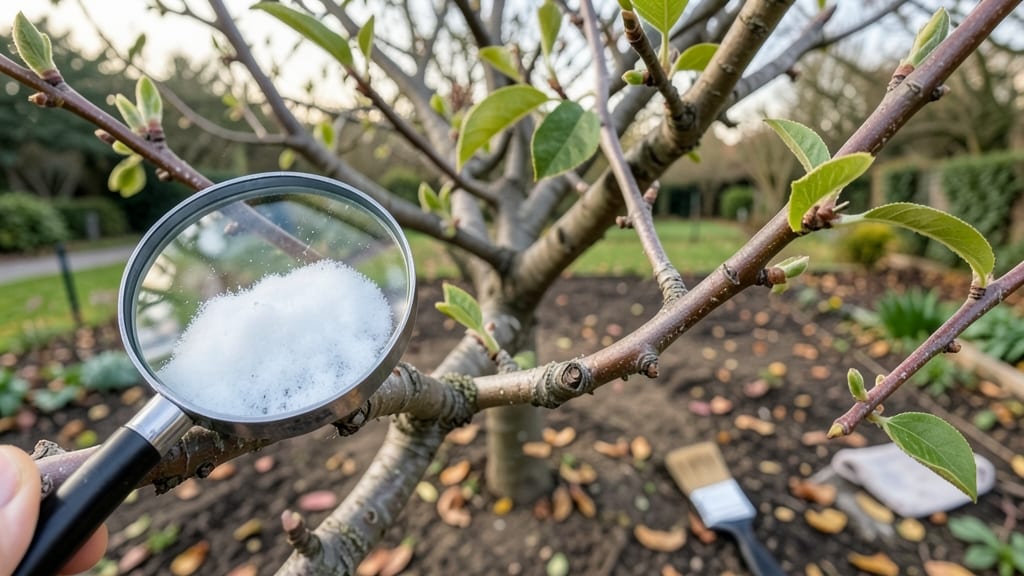
That mysterious white stuff on your tree branches isn’t just dirt or dust—it’s a sign your tree is sending you clues. 🌳 Whether it’s powdery mildew, lichen, or even scale insects, each type tells a different story about what your tree needs.
I’ve spent years deciphering these signals, and once you know what to look for, you can act fast to protect your trees.
Most homeowners panic when they spot it, but the key is identifying the culprit first. Powdery mildew looks like flour dust, lichen clings like moss, and scale insects leave sticky residue.
Fruit trees, maples, and even shade trees can all be affected, but the fixes are simple once you know the difference. Grab a magnifying glass and a spray bottle—you’ll have this solved in under an hour.
Once you know what’s causing the white stuff, removal is straightforward. For mildew, a mix of water and baking soda works wonders. Lichen can be gently scraped off, and scale insects need a targeted organic spray.
The best part? Prevention is easy—just keep your trees healthy with proper watering and airflow. Your trees will thank you with stronger growth and fewer surprises next season.
This works for any tree in your yard, from young saplings to mature oaks. No matter what’s causing the white stuff, you’ll have your trees looking clean and thriving in no time. Let’s get started with the identification—your trees are counting on you!
The Real Culprits Behind Tree Branch Whiteness
When you spot that mysterious white stuff coating your tree branches, it’s rarely just a random coincidence—it’s a sign that something specific is happening in your yard. Understanding the why behind it helps you take the right action.
Below, we break down the most common causes, from fungal infections to insect activity, with the science behind each one.
If the white substance looks like powdery sugar or a light dusting of flour, you’re likely dealing with fungal spores. These microscopic spores are released by fungi like Oidium (powdery mildew) or Podosphaera as they reproduce. Here’s how it works:
- Moisture triggers growth: Fungal spores thrive in humid conditions (60–90% humidity) and love to latch onto leaves and branches. If your tree is near a water source or you’ve had recent rain, spores spread like wildfire.
- Photosynthesis disruption: The white layer blocks sunlight, preventing the tree from producing energy. Over time, this weakens the tree, making it more susceptible to pests and disease.
- Seasonal peaks: Spores are most active in spring and summer, but some fungi (like Erysiphe) can persist year-round in mild climates.
💡 Pro Tip: Check the underside of leaves—if you see black spots or a fuzzy growth, it’s a fungal infection. Scrape a tiny sample onto a damp paper towel; if it grows mold within 24 hours, confirm it’s fungal.
Not all white stuff is fungal—sometimes, it’s the waste product of sap-sucking insects. Mealybugs, scale insects, and aphids excrete a sticky substance called honeydew, which can turn white as it dries or attracts sooty mold (a black fungal growth). Here’s the breakdown:
| Insect | Appearance | Signs of Infestation |
|---|---|---|
| Mealybugs | Cottony white clusters | Sticky residue on branches, curled leaves, ants (they farm mealybugs!) |
| Scale Insects | Hard, shell-like bumps (white, brown, or black) | Black sooty mold on leaves, yellowing foliage |
| Aphids | Tiny green/black bugs (honeydew dries white) | Curling leaves, ants trailing up the tree |
🔥 Why It Happens: These insects pierce plant cells to drink sap, leaving behind honeydew. The sugar-rich secretion attracts ants and promotes sooty mold, creating a vicious cycle that stresses the tree.
Not everything white is alive. Environmental factors can also coat your branches:
- Frost or ice crystals: In winter, frost can form a white crust on branches, especially in cold climates. Unlike fungal growth, it’s harmless and melts with warmth.
- Salt spray: Trees near roads treated with de-icing salt may develop white crystalline deposits. Salt draws moisture out of leaves, causing burning and browning over time.
- Pollen or dust: Light, powdery white residue might just be tree pollen (like from willows or pines) or airborne dust. It’s not harmful but can signal poor air quality.
🌡️ Quick Test: Rub a branch with your finger. If it smears like powder (pollen/dust) or leaves a gritty residue (salt), it’s environmental. If it’s fuzzy or grows back, it’s organic (fungal or insect-related).
Over-application of lime, gypsum, or certain pesticides can leave white mineral deposits on branches. Here’s how:
- Lime (calcium carbonate): Used to raise soil pH, lime can crystallize on leaves and branches if overused, creating a chalky white layer.
- Sulfur or zinc sprays: Some fungicides or micronutrient sprays leave white residues that don’t wash off easily.
- Hard water runoff: If your irrigation water is high in minerals, evaporation can leave white deposits on foliage.
⚠️ Warning: While usually harmless, excessive chemical buildup can clog leaf pores, reducing photosynthesis. Rinse affected branches with water if possible.
How to Fix It Naturally
Now that you’ve identified the white stuff on your tree branches—whether it’s mold, lichen, bird droppings, or something else—it’s time to take action. The good news? Most of these issues can be resolved with simple, eco-friendly methods.
Below, we’ve broken down cause-specific solutions to help you restore your tree’s health without harsh chemicals. Plus, we’ll share prevention tips to keep those branches looking clean and vibrant for years to come.
Mold and mildew thrive in damp, shaded conditions, but they’re not invincible. Here’s how to tackle them:
🔥 Clean the Affected Branches
- Wet the area with a garden hose to loosen the growth.
- Scrub gently with a soft-bristle brush (like a toothbrush) dipped in a 1:10 bleach-water mix (or vinegar-water mix for a gentler option).
- Avoid power washing—it can damage bark and spread spores.
🌡️ Improve Airflow & Sunlight
- Prune overgrown branches to allow sunlight and air to reach the tree’s core.
- Space out plants near the tree to reduce humidity around the base.
✨ Prevent Recurrence
- Water trees at the base (not overhead) to keep foliage dry.
- Apply copper fungicide (organic option) if mold returns stubbornly.
Bird droppings may seem harmless, but they can erode bark, spread disease, and attract pests. Here’s how to evict them (politely):
👨🍳 Remove Droppings Safely
- Wear gloves—bird poop can carry bacteria like Salmonella.
- Spray with water to dissolve fresh droppings, then wipe with a damp cloth.
- For stubborn deposits, use a 50/50 water-vinegar solution (avoid bleach—it can harm the tree).
🔪 Deter Birds Without Harm
- Hang reflective tape or old CDs from branches to scare them off.
- Install a fake predator (like a plastic owl) nearby—birds are skeptical of threats!
- Provide an alternative like a bird feeder away from your tree.
🎯 Long-Term Prevention
- Trim branches where birds perch (but avoid over-pruning).
- Use bird netting if droppings are a recurring issue.
Lichen and moss aren’t harmful, but they indicate excess moisture or poor airflow. Here’s how to manage them:
🍳 Gently Remove Growth
- Hose down the tree to loosen debris.
- Brush off with a soft brush (no need for chemicals—this is mostly cosmetic).
- Avoid scraping bark, which can damage the tree.
🌡️ Adjust the Tree’s Habitat
- Prune for sunlight—thin out dense foliage to improve airflow.
- Check for overwatering—trees in containers or shaded areas need less frequent watering.
- Add mulch (but keep it 3–4 inches away from the trunk) to regulate soil moisture.
✨ Encourage Natural Balance
- Plant sun-loving species nearby to dry out the area.
- Avoid compacting soil around the base—this worsens moisture retention.
Some white stuff (like aphid eggs, spider webs, or scale insects) signals a pest problem. Act fast to prevent an infestation:
🔪 Manual Removal & Traps
- Blast off webs with a strong stream of water (early morning works best).
- Handpick visible bugs (like scale insects) with a damp cloth.
- Set up yellow sticky traps to catch flying pests like whiteflies.
💡 Natural Pest Control
- Spray neem oil (diluted) to disrupt insect life cycles.
- Introduce beneficial insects like ladybugs (they eat aphids).
- Apply diatomaceous earth (food-grade) around the base to deter crawling pests.
🎯 Stop Future Infestations
- Inspect trees regularly, especially after rain or windstorms.
- Keep the area weed-free—weeds attract pests.
- Avoid over-fertilizing—soft new growth is a pest buffet!
- Work on a dry day—wet conditions can spread spores or make cleaning harder.
- Test a small area first before treating the whole tree (especially with chemicals).
- Call an arborist if the problem persists or the tree shows signs of stress (yellowing leaves, oozing sap).
By addressing the root cause (literally!) and maintaining your tree’s health, you’ll keep those branches clean, pest-free, and thriving. Happy tree-tending! 🌳💚
Frequently asked questions
Is white stuff on tree branches always harmful?
Not always! While some white substances like powdery mildew or scale insects can harm trees, others like lichen or pollen are harmless. Lichen grows on bark without damaging the tree, and pollen is just a natural byproduct. The key is identifying what you're seeing—if it's fuzzy, sticky, or spreading, it's likely a problem that needs attention.
How can I tell if the white stuff is fungal or insect-related?
Look closely: fungal growth (like powdery mildew) appears as a dusty, powdery coating that spreads evenly, while insect-related white stuff often comes with other clues. Check for sticky residue (honeydew), tiny bugs, or black sooty mold underneath. Rub a small area with your finger—if it leaves a waxy or cottony texture, it’s likely insects like mealybugs or scale.
Can I use bleach to remove white stuff from tree branches?
Only in very diluted amounts (1 part bleach to 10 parts water) and never on fruit trees or sensitive species. Bleach can damage leaves and bark. For most cases, a vinegar-water mix (1:1 ratio) or neem oil spray works better and is safer. Always test a small area first to avoid harming the tree.
Will pruning help get rid of white stuff on my tree?
Yes, but only if you remove infected or heavily infested branches. Prune during dry weather to avoid spreading spores or attracting pests. Focus on improving airflow and sunlight—thinning dense branches helps prevent future fungal growth. Sterilize your pruning tools with rubbing alcohol between cuts to avoid spreading disease.
How often should I check my trees for white stuff?
Inspect your trees every 2-4 weeks during spring and summer, when fungal growth and pests are most active. After heavy rain or windstorms, check sooner—these conditions create perfect breeding grounds for problems. Keep a small notebook to track changes over time, which helps you spot issues early before they spread.