
Plants
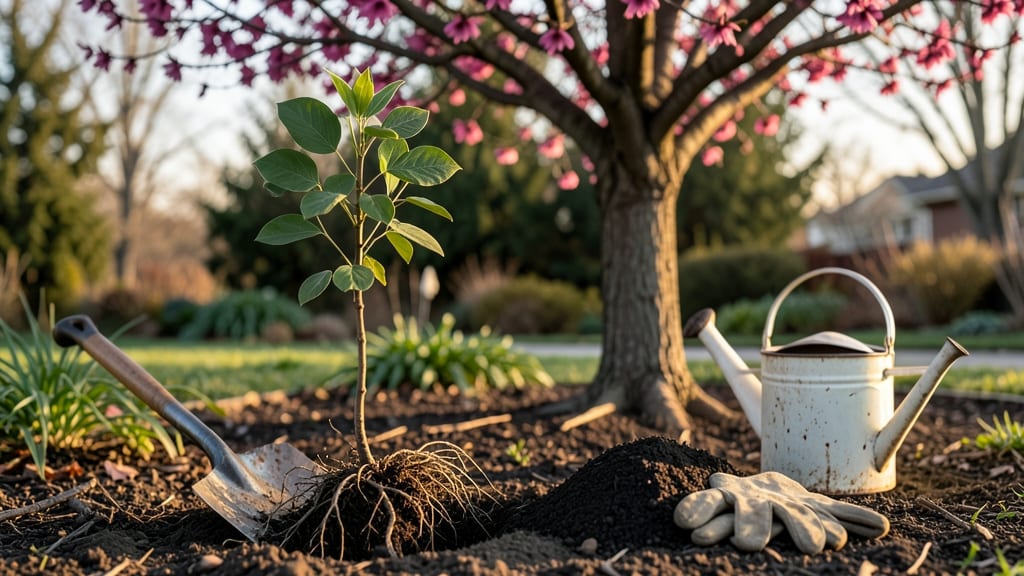
Planting a redbud tree 🌳 in Texas at the right time means the difference between a thriving spring spectacle and a struggling sapling.
Texas gardeners know timing is everything—plant your redbud tree too early, and frost will strike; too late, and it won’t establish roots before summer’s brutal heat. But get it right, and you’ll unlock stunning spring blooms for years to come.
This ornamental beauty thrives in USDA zones 6a-10a, but the best planting windows shift dramatically from North Texas’s cooler winters to the Gulf Coast’s mild climate. Whether you’re in Zone 7 or Zone 10, the key is working with your local frost dates and soil conditions.
Below, I’ll break down the ideal months for each Texas region, soil prep secrets, and how to time your planting for maximum root growth—so your redbud tree takes off strong and survives the Lone Star State’s extremes.
Best planting months for redbud trees in Texas by hardiness Zone
Texas spans USDA hardiness zones 7-10, creating wildly different planting windows for your redbud tree. In Zone 7, where frosts linger until late February, you’ll want to plant by mid-November to avoid winter damage.
Meanwhile, in Zone 10, where frost is rare, your window stretches from November through March—but timing still matters to beat summer’s heat. Let’s break down the best months for each zone to ensure your tree thrives.
Redbuds are deciduous trees that thrive when planted during their dormant season. This means avoiding Texas’ scorching summers when soil temperatures exceed 80°F. For most Texas zones, fall planting (October-November) gives roots time to establish before spring growth.
However, Zone 8 and 9 gardeners can also plant in late winter (February) if soil isn’t frozen.
Here’s the key: Soil temperature matters more than calendar dates. Aim for 60-70°F soil temps—ideal for root growth without stress. In North Texas (Zone 7-8), this aligns with November-December planting.
In South Texas (Zone 9-10), you’ve got flexibility until early March, but don’t wait too long or summer’s heat will shock young roots.
Before planting, amend your soil with compost or aged manure to improve drainage—redbuds hate soggy roots. In clay-heavy soils (common in East Texas), mix in sand or perlite to prevent waterlogging.
For sandy soils (West Texas), add organic matter to retain moisture. A pH of 6.0-7.0 is ideal; test your soil and adjust with lime or sulfur if needed.
| USDA Zone | Best Planting Months | Soil Temp Goal (°F) | Key Consideration | Soil Prep Tip |
|---|---|---|---|---|
| 7a-7b (North Texas) | November 1 - December 15 | 60-70°F | Avoid late frosts (avg last frost: Feb 15) | Add compost to heavy clay soils |
| 8a-8b (Central Texas) | October 15 - January 31 | 60-70°F | Watch for early spring heat spikes | Mulch heavily to retain moisture |
| 9a-9b (East/Central Texas) | November 1 - March 1 | 65-75°F | Humidity increases fungal risks | Ensure well-draining soil |
| 10a (South Texas) | November 1 - March 15 | 70-80°F | Plant early to avoid summer drought | Use drip irrigation for young trees |
In Zone 7, where winters are colder, prioritize November planting to give roots time to establish before the first frost.
If you miss this window, wait until early February—but be prepared to water deeply as spring arrives. Central Texas (Zones 8) offers the most flexibility, with October through January as ideal. Just avoid planting in December’s cold snaps, which can stunt root growth.
For South Texas (Zones 9-10), your March planting deadline is non-negotiable. By April, temperatures often exceed 90°F, making it too hot for new roots to establish. Pro tip: Mulch heavily (3-4 inches of organic mulch) to keep soil cool and retain moisture.
In urban areas like Austin or San Antonio, where heat islands raise temps further, consider shade cloth for young trees during summer.
One common mistake? Planting redbuds in late spring or summer. Young trees struggle to adapt, leading to leaf scorch or even death. Instead, focus on fall or early winter when the tree’s dormant state helps it conserve energy for root development.
Even in Zone 10, where frost is rare, planting in November gives your tree a head start before summer’s intensity.
After planting, water thoroughly (15-20 gallons) to settle soil around roots. Then, maintain consistent moisture for the first 6-12 months, especially in West Texas, where drought is a constant threat.
In East Texas, where humidity is high, watch for powdery mildew—space trees 15-20 feet apart for airflow. With the right timing and care, your redbud will reward you with vibrant pink blooms by late winter or early spring.
Remember: Redbuds are adaptable, but timing is critical. Whether you’re in Dallas (Zone 8) or Houston (Zone 9), aligning your planting with soil temps and local frost dates will set your
How to time your redbud planting for maximum root establishment
Timing your redbud tree planting in Texas isn’t just about avoiding frost—it’s about giving those delicate roots the perfect conditions to establish before summer’s scorching heat.
I’ve learned the hard way that planting too early risks frost damage, while waiting too late means struggling through Texas’ 100°F+ summers without a strong root system. The key? Plant when soil temperatures hover between 60-70°F and moisture levels are ideal.
For most of Texas (USDA zones 7-10), this means focusing on late fall to early spring—specifically November through March.
But here’s the catch: Northern Texas (like Dallas or Fort Worth) can handle late fall planting, while Southern Texas (like Houston or San Antonio) should wait until February or March to avoid early frosts. Let’s break down exactly how to nail this timing for your region.
⚠️ Critical Texas Planting Warning
Avoid these 3 deadly mistakes when planting redbuds in Texas:
- 🌡️ Planting in freezing soil (below 50°F) – Roots freeze before they establish.
- 💧 Skipping soil moisture test – Dry soil = shock; soggy soil = root rot.
- ⏳ Waiting until summer – New roots can’t handle 90°F+ soil.
Pro Tip: Use a soil thermometer—ideal planting temps are 60-70°F at 4” deep.
First, check your soil moisture before planting. Stick your finger 2-3 inches deep—if it feels dry, water thoroughly 24 hours before planting. In Texas’ clay-heavy soils (common in Central Texas), this step is non-negotiable.
I once planted a redbud in dry, cracked soil and lost it within weeks—don’t make that mistake. Aim for soil that’s moist but not soggy, like a wrung-out sponge.
Next, monitor air and soil temperatures. Redbud roots thrive when daytime temps stay between 60-70°F. Use a minimum-maximum thermometer to track overnight lows—anything below 40°F risks frost damage.
In North Texas, this usually means planting after December 15, while South Texas gardeners can start as early as November 1 in protected microclimates.
Once planted, mulch heavily with 2-3 inches of organic mulch (like shredded bark) to retain moisture and regulate soil temps. Water deeply once a week for the first month, then taper to every 2 weeks once roots establish.
In West Texas, where drought is a constant threat, I’ve seen redbuds survive with 50% less water thanks to proper mulching—proof that small adjustments make a big difference.
Finally, avoid fertilizing for the first 6-8 weeks post-planting. New roots need energy to grow, not to process nutrients. After that, a light application of 10-10-10 fertilizer in early spring will give your redbud the boost it needs for vibrant spring blooms.
Remember, Texas redbuds reward patience—those pink spring flowers are worth every careful step.