
Pruning
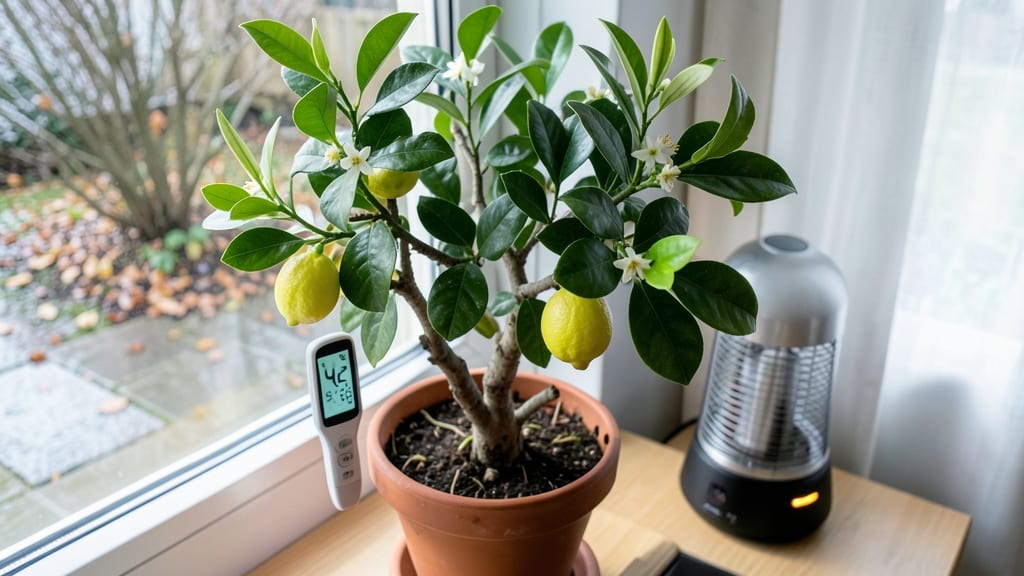
Bringing your Meyer lemon tree 🍋 inside at the right time means the difference between a thriving fruit producer and a sad, browned mess.
You’ve watched the leaves turn yellow overnight or spotted frost creeping across your patio—now what? The clock is ticking, and moving too early can stunt growth while waiting too late risks irreversible damage.
I’ll show you exactly when to act based on your zone, plus the 3-step transition that keeps your tree happy indoors.
Most gardeners in USDA Zone 6a should start prepping by mid-October, but signs like leaf drop or nighttime temps below 40°F are your true triggers.
We’ll cover how to read your tree’s signals, avoid the most common mistakes, and set it up for a smooth winter—so you can still harvest lemons in March.
Ready to save your tree without the stress? Here’s how to time the move, adjust its care, and keep it fruiting all year—no guesswork involved.
Meyer lemon tree cold tolerance limits: exact temperatures to watch
Meyer lemon trees (Citrus meyeri) are tropical plants that struggle when temperatures drop below 40°F. Unlike their hardy citrus cousins, they can’t survive a single night at 32°F without irreversible damage.
Understanding these cold tolerance thresholds is critical—because once frost hits, your tree’s survival depends on how quickly you act.
The real danger zone starts at 40°F, where growth slows dramatically. Below 36°F, cell damage begins, and by 32°F, frost forms on leaves, blocking water uptake. Humidity and wind accelerate this process—dry air makes frost worse, while coastal areas with moderate humidity offer slight protection.
Here’s the scientific breakdown of how cold affects your tree at different stages:
| Temperature Range (°F) | Risk Level | Signs of Damage | Action Required |
|---|---|---|---|
| 40–45°F | Low | Growth slows, yellowing leaves | Monitor closely; prepare to move indoors |
| 36–39°F | Moderate | Leaf edges brown, wilting | Move indoors immediately; check for pests |
| 32–35°F | High | Frost on leaves, blackened stems, no water uptake | Emergency indoor move; prune dead branches |
| Below 32°F | Critical | Cell death, no recovery possible | Tree is lost; focus on saving remaining healthy branches |
🌡️ Key Insight: At 32°F, your tree has 30 minutes before irreversible damage occurs.
Location matters more than you think. In USDA Zone 9, where winter lows hit 20–25°F, Meyer lemons need year-round indoor care. But even in Zone 10, a cold snap below 36°F can devastate unprotected trees.
Urban areas with heat islands (like cities) may stay slightly warmer, but don’t rely on it—frost can still form.
Watch for these early warning signs of cold stress: purple-tinged leaves, drooping branches, or crispy leaf edges. These appear 24–48 hours before frost and signal it’s time to move your tree.
If you see white frost crystals on leaves, it’s already too late for outdoor protection—rush it inside immediately.
Humidity plays a sneaky role. In dry climates (like Arizona), frost damage happens faster—leaves desiccate and die within hours. Coastal areas with 60%+ humidity give your tree a 1–2°F buffer against frost. To mimic this indoors, use a pebble tray with water near your tree’s pot.
Pro tip: If your tree is in a large container, bury the pot halfway in the ground before winter. The soil insulates roots, buying you 24 extra hours before moving indoors.
But if a frost warning is issued, don’t wait—act immediately, even if the nightly low is only 38°F.
Remember, 32°F is the death knell for Meyer lemons. But with proactive monitoring and quick action, you can protect your tree—and keep those sweet, juicy lemons coming year-round. 🍋
Step-by-step indoor transition timeline: when to move your tree based on climate Zone
Moving your Meyer lemon tree indoors isn’t just about waiting for frost—it’s about acclimating it gradually to prevent shock and leaf drop. In USDA zones 8-11, timing varies, but the 7-day prep plan below ensures your tree thrives year-round.
Start by monitoring nighttime temperatures—once they dip near 50°F, it’s time to act.
Your tree’s natural cues are key: look for yellowing leaves or slowed growth. In Zone 8, begin transitioning by mid-October; in Zones 9-11, wait until late November. Rushing the process risks stress and fruit loss, while delaying too long invites frost damage.
📅 7-Day Indoor Transition Plan
Trim dead or yellow leaves and prune overgrowth to reduce stress. Use sterilized shears to avoid disease.
Move the tree partially indoors (e.g., covered patio) for 3-4 hours/day to mimic sunlight shifts.
Transfer to a south-facing window or under grow lights (12+ hours/day). Avoid drafts near doors or AC vents.
Check for pests (spider mites) and adjust humidity (40-60%) with a pebble tray if leaves crisp.
🌱 Pro Tip: Use a fan on low near the tree to mimic outdoor wind.
After the transition, reduce watering by 30%—indoor air is drier, and overwatering causes root rot. Place a hygrometer nearby to track humidity levels; aim for 50-60% to mimic outdoor conditions. If leaves yellow or drop, increase light immediately.
For Zones 10-11, delay until December—your tree can handle brief 40°F dips, but prolonged cold (below 35°F) will damage foliage. In Zone 8, act faster: first frost can hit by October 30, so start Day 1 by October 20.
By following this 7-day timeline, your Meyer lemon tree will adjust smoothly, retain leaves, and keep producing juicy fruit through winter. The key? Patience and gradual changes—never rush the process! 🍋