
Pruning
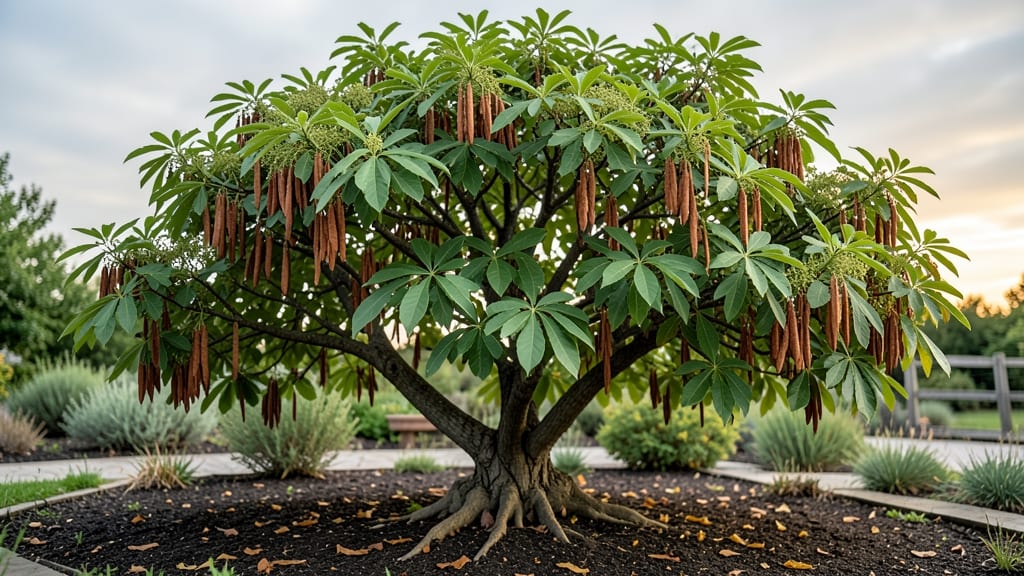
Those tree of heaven pods are nature’s way of saying "don’t touch"—and they’re spreading faster than you’d think. 🌱 I’ve spent years battling this invasive tree, and the pods are the real problem: toxic to pets, choking out native plants, and littering yards for months after the tree falls.
The moment you see those reddish-brown, papery seed pods, it’s time to act before they turn your property into a nursery for more of these ecological bullies.
The pods contain thousands of seeds that shoot up to 30 feet away when disturbed—so gloves, long sleeves, and a heavy-duty trash bag are your first line of defense. I learned the hard way that burning them (a common "solution") just releases more toxins into the air.
Instead, double-bag them and haul them to landfills where they can’t sprout. The tree itself is another story, but stopping the seed spread is your quickest win.
What you’ll get is a yard free of these aggressive invaders—no more finding pods in your lawn, under your deck, or stuck to your shoes. Native plants will thank you by returning, and your neighbors will ask how you did it.
The key is consistency: check for pods weekly during their peak season (late summer to fall), and you’ll break their cycle before they take over.
This works for urban lots, rural edges, or even small backyards where one tree has already escaped notice. The goal isn’t just removal—it’s prevention.
Once you’ve cleared the pods, keep an eye out for saplings (they’re easy to pull when young) and consider treating the stump with vinegar or herbicide if the tree itself is still standing. Your yard—and local ecosystem—will thank you.
Root Causes Of Pod Spread
The prolific spread of tree of heaven pods isn’t just a coincidence—it’s a survival strategy hardwired into the tree’s biology. This invasive species has evolved to dominate landscapes, and its seed dispersal methods are both aggressive and efficient.
Understanding these root causes helps explain why these pods seem to appear overnight and how to combat them effectively.
The tree of heaven (Ailanthus altissima) relies on two primary methods to spread its pods:
- 🌪️ Wind-Powered Spread The tree’s pods split open when dry, releasing winged seeds that can travel up to a mile on wind currents. Their lightweight, papery design allows them to float effortlessly, colonizing new areas with minimal effort.
- 🐦 Animal-Assisted Transport Birds, squirrels, and even deer may unknowingly carry seeds in their fur or consume the pods, later depositing them in soil via droppings. The seeds remain viable for years in the ground, waiting for the right conditions to sprout.
Once seeds land in favorable conditions—like disturbed soil, construction sites, or neglected yards—they germinate quickly. Here’s why they take over so fast:
- 🌱 Deep, Proliferating Roots The tree’s roots spread horizontally and vertically, forming dense networks that outcompete native plants for water and nutrients. A single mature tree can produce thousands of pods per year, ensuring a constant supply of new seedlings.
- 🔥 Adaptability To Poor Conditions Unlike many trees, the tree of heaven thrives in urban environments, tolerating pollution, compacted soil, and even drought. This resilience makes it nearly impossible to starve out through neglect.
One of the tree’s most infamous traits is its toxic compounds, which deter herbivores but also make it nearly indestructible:
- 🚫 Toxic Allelopathic Chemicals The tree releases chemicals (like ailanthone) into the soil, suppressing the growth of competing plants. This creates a "monoculture" effect, where only more tree of heaven seedlings can survive nearby.
- 🐛 Resistance To Insects And Disease While its leaves are a caterpillar magnet (thanks to the spotted lanternfly), the tree’s tough bark and chemical defenses prevent most pests from killing it. This makes traditional pest control methods ineffective.
By recognizing these biological and environmental triggers, you can interrupt the cycle before pods become an unstoppable infestation. The next step? Learning how to remove them before they take root.
Removing and Preventing Invasive Pods
Dealing with tree of heaven pods—those pesky, toxic seed clusters—requires a mix of removal strategies and long-term prevention. Since these pods spread aggressively, acting early and methodically is key.
Below, we’ll break down how to tackle the problem based on the root cause, from manual removal to chemical controls, plus smart prevention tips to keep these invaders at bay.
If you’ve got a small infestation, physical removal is your best first line of defense. The goal? Stop the spread before the pods mature and release more seeds.
🔥 Step 1: Identify and Target Mature Trees
- Look for: Trees with winged seeds (samaras) or clusters of greenish-brown pods (about 1–2 inches long).
- When to act: Remove pods before they split open (late summer to early fall). Mature pods release seeds that can sprout within weeks!
🍳 Step 2: Wear Protective Gear
Tree of heaven sap and crushed pods can irritate skin and trigger allergies. Always wear:
- Gloves (nitrile or rubber)
- Long sleeves/pants
- Eye protection (safety goggles)
- Respirator mask (if cutting or grinding stems)
👨🍳 Step 3: Collect and Dispose of Pods Properly
- Shake or brush pods into a heavy-duty trash bag—don’t let them fall near your yard.
- Seal the bag tightly and dispose of it immediately in outdoor trash (not compost).
- For large trees: Use a pruning saw or loppers to cut branches bearing pods, then bag them.
✨ Pro Tip: If pods are already on the ground, rake them up and dispose of them far from your property (at least 50 feet away).
If the tree is too large or widespread, chemical treatments can help weaken or kill it. But use caution—these methods require precision!
💡 Option 1: Herbicide Application (Best for Established Trees)
- Best time: Late spring to early summer (when leaves are fully grown).
- Recommended herbicides:
- Glyphosate (e.g., Roundup) – Cut stump method works best: 1. Cut the trunk 1–2 inches above ground.
- Paint glyphosate into the fresh cut (use a brush).
- Repeat 2–3 times over 2–3 weeks. - Triclopyr (e.g., Ortho Brush Killer) – Effective as a basal bark treatment (winter application). - ⚠️ Warning: Avoid spraying leaves—it can harm nearby plants. Follow label instructions precisely!
🌡️ Option 2: Vinegar + Dish Soap (Natural Alternative for Small Trees)
For young or small trees, a homemade herbicide can work: 1. Mix 1 gallon of vinegar (20–30% acetic acid) + 1 oz dish soap.
- Spray directly on leaves (avoid windy days).
- Repeat weekly until the tree dies (may take 2–4 weeks).
✨ Pro Tip: Combine with smothering—after killing the tree, cover the stump with cardboard and mulch to prevent regrowth.
Once you’ve removed the tree, prevent regrowth and new invasions with these smart strategies:
🎯 1. Monitor for Sprouts
- Tree of heaven sprouts from roots and seeds—check your yard monthly for new shoots.
- Pull them early (they’re easier to remove when small).
🌿 2. Create a Barrier Zone
- Plant native, non-invasive species (e.g., sumac, black cherry, or serviceberry) to outcompete tree of heaven.
- Mulch heavily around your property’s edge to block sunlight and discourage new growth.
🚜 3. Soil Treatment (For Stubborn Roots)
If roots persist, solarize the soil in late summer:
- Water the area thoroughly.
- Cover with clear plastic (6+ mil thickness) for 4–6 weeks.
- Sun heats the soil to lethal temps, killing roots.
📊 4. Report and Contain
- If you spot tree of heaven outside your yard, report it to your local extension office or invasive species hotline.
- Never transport firewood from infested areas—seeds can hitchhike!
The sooner you act, the easier removal becomes. Tree of heaven spreads fast, so don’t wait—grab gloves, bag those pods, and take back control of your yard! 🚀
Frequently asked questions
Are tree of heaven pods toxic to pets?
Yes, these pods contain toxic compounds that can cause skin irritation or gastrointestinal issues if ingested. Keep pets away from fallen pods, and always wear gloves when handling them. Symptoms in pets may include drooling, vomiting, or lethargy—contact a vet immediately if exposure occurs.
How far can tree of heaven seeds travel?
The winged seeds can be carried up to a mile by wind, making containment difficult. Even a single mature tree can produce thousands of seeds yearly. To prevent spread, remove pods before they split open and dispose of them in sealed bags far from your property.
Can I burn tree of heaven pods?
No, burning releases toxic fumes and spreads microscopic seeds that can still germinate. Instead, double-bag pods in heavy-duty trash bags and dispose of them in outdoor trash. This prevents both air pollution and new growth.
What do tree of heaven saplings look like?
Young saplings have compound leaves with 11–41 leaflets and a strong, unpleasant odor when crushed. They often appear in clusters near mature trees. Pull them early—when small, they’re easier to remove than established trees.
Will vinegar kill tree of heaven roots?
Vinegar can kill above-ground growth, but roots may persist. For stubborn roots, combine vinegar treatment with soil solarization (covering the area with clear plastic for 4–6 weeks) or targeted herbicide application to the stump. Consistency is key—check monthly for regrowth.