
Pruning
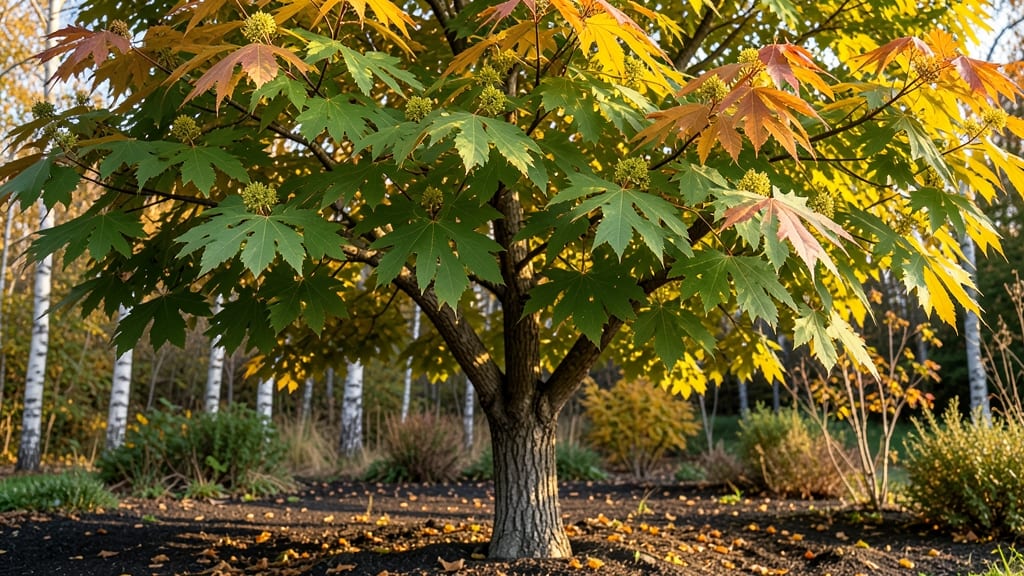
The Tree of Heaven's fall foliage turns into a fiery spectacle that rivals maples. 🌿 Its leaves blaze gold, orange, and even deep red before dropping—creating a dramatic carpet under the tree. This invasive species actually delivers seasonal beauty that many native trees can't match, though its reputation is complicated.
The timing is key: peak color arrives 2-3 weeks after most oaks and maples, often in late October or November, depending on your climate zone. Pruning now can shape the tree for next year's display, but avoid heavy cuts—you'll sacrifice next fall's show. The trade-off?
Less seed production, which helps control its spread. You'll notice something unexpected: the scent. While the foliage glows, the crushed leaves release a strong, almost turpentine odor—some love it, others find it overpowering. That's the Tree of Heaven's signature, for better or worse.
The trade-off is worth it for gardeners who prioritize bold autumn color over fragrance. This tree thrives in urban areas, poor soil, and even sidewalk cracks—making it a resilient choice for tough landscapes. Just be prepared for its aggressive roots and seeds.
The fall magic comes with conditions, but the payoff is undeniable for those who embrace its bold, unapologetic beauty.
📚 In This Guide
- What you need
- Instructions
- Tips and common mistakes
- Wrapping up and next steps
What you need
- ● Pruning shears: Bypass pruners (sharp, 6–8" blades) – 1 pair (for small branches)
- ● Loppers: Bypass or anvil type (10–14" cutting capacity) – 1 pair (for thicker branches, ½"–1.5" diameter)
- ● Pruning saw: Curved-tooth or folding saw (for branches >1.5" thick) – 1
- ● Gloves: Heavy-duty, cut-resistant (to protect hands from thorns and sap) – 1 pair
- ● Ladder: Sturdy, extendable aluminum or fiberglass (if tree exceeds 6–8 ft) – 1
- ● Disposable pruning bags: Heavy-duty, 30–50 gallon (for debris collection) – 2–3 bags
- ● Rubbing alcohol (70%+) or bleach solution: (1 part bleach to 9 parts water) – small bottle (for sterilizing tools)
- ● Sharpie or permanent marker: (for labeling cuts if needed) – 1
- ● Hand pruners with a ratchet mechanism (for easier cutting on stubborn branches)
- ● Pole pruner: Extensible (for high branches without a ladder) – 1
- ● Tree wound dressing: (only if dealing with large cuts—controversial but useful for some)
- ● Work boots or sturdy shoes: (for stability on uneven ground)
- ● Safety glasses: (to protect from falling debris)
How to enhance your tree of Heaven’s fall foliage display
Transform that fast-growing tree into a seasonal showstopper with these proven techniques.
🌿 Step 1: Prune Strategically for Better Airflow and Light
Fall color peaks when leaves receive maximum sunlight and air circulation. Start by removing any dead, diseased, or crossing branches—these block light and invite pests. I use sharp, clean pruning shears to make cuts just outside the branch collar where the branch meets the trunk. This prevents unsightly stubs and encourages healthier regrowth.
Focus on thinning the canopy rather than topping. Remove about 20-30% of the smallest branches to open up the interior. You'll see the difference immediately in how sunlight filters through to lower branches, which will develop richer fall hues. Avoid heavy pruning after mid-summer—new growth won't have time to harden off before winter.
☀️ Step 2: Optimize Sunlight Exposure for Vibrant Foliage
The Tree of Heaven's fall colors intensify with proper light exposure. If your tree is in partial shade, consider thinning nearby trees or shrubs to increase sunlight penetration. I've found that even 3-4 extra hours of direct sunlight can transform dull green leaves into fiery reds and purples.
Watch for branches leaning toward light sources—they'll develop more vibrant colors first. If your tree is in a heavily shaded area with no possibility of opening up the canopy, focus on the branches that do receive sunlight and prune others to create a more balanced display. The contrast between sunlit and shaded foliage actually creates a stunning visual effect.
💧 Step 3: Adjust Watering for Fall Color Development
While Tree of Heaven is drought-tolerant, consistent moisture stress during fall actually enhances color development. Start reducing watering 6-8 weeks before your first frost to encourage natural leaf senescence. You'll know you're getting it right when the soil feels dry 2-3 inches down between waterings.
Deep watering once every 10-14 days is sufficient. The goal is to create mild stress without causing wilting. You might see some leaf drop, but this is normal and actually helps concentrate the remaining leaves' pigments. Avoid fertilizing during this period—extra nutrients will promote new growth instead of fall color.
✂️ Step 4: Time Your Final Pruning for Spring Growth
After the leaves have fallen, perform your final pruning of the year. Remove any remaining dead wood and shape the tree while it's dormant. The key is to prune just before bud break—typically in late winter or very early spring when temperatures consistently stay above 40°F.
Look for swollen buds that indicate new growth is about to begin. Pruning at this time ensures you're not removing potential flowering branches (though Tree of Heaven isn't particularly showy, proper timing still matters). You'll see vigorous new growth in spring that will develop into next fall's foliage display.
🌱 Step 5: Monitor for Pests and Diseases That Affect Fall Color
Spider mites and scale insects often go unnoticed until they've drained your tree of vitality. Inspect the undersides of leaves regularly for webbing or small brown bumps. I treat infestations with horticultural oil in early fall—this gives the tree time to recover before winter sets in.
If you notice yellowing leaves with black spots, that's likely anthracnose fungus. Remove and destroy infected leaves immediately and apply a copper fungicide if the problem persists. Healthy trees with good airflow and proper pruning are far less susceptible to these issues, so your earlier pruning efforts will pay off here too.
Tips & tricks for perfect tree of Heaven fall foliage
Here's what nobody tells you about maximizing that stunning seasonal transformation.
Pruning Precision: When thinning the canopy in Step 1, focus on removing branches that are growing inward or crossing others. These branches compete for sunlight and nutrients, which dulls fall colors. I've found that removing just 20-30% of the smallest branches creates the perfect balance—enough to improve airflow without stressing the tree. Use sharp pruning shears and make clean cuts just outside the branch collar to prevent disease entry points.
Sunlight Strategy: The 3-4 extra hours of direct sunlight mentioned in Step 2 can make all the difference. If your tree is in partial shade, consider temporarily removing nearby vegetation to increase light exposure. Even a small increase in sunlight can transform dull green leaves into vibrant reds and purples. Watch for branches that naturally lean toward light sources—these will develop the most intense colors first.
Watering Wisdom: The 6-8 weeks before first frost watering adjustment in Step 3 is crucial. You want the soil to feel dry 2-3 inches down between waterings, but not bone-dry. Think of it as creating controlled stress—this triggers the tree's natural processes that produce those brilliant fall pigments. A simple soil probe or just sticking your finger in the ground will tell you if you've got it right. Avoid fertilizing during this period, as extra nutrients will encourage new growth instead of color development.
Pest Prevention: Early fall is the perfect time to treat any pest issues before they become serious. In Step 5, I recommend using horticultural oil for spider mites and scale insects. This treatment gives the tree time to recover before winter sets in. For anthracnose fungus, remove infected leaves immediately and apply copper fungicide if needed. Regular inspections of leaf undersides will help you catch problems early before they affect your tree's fall display.
Pro Tips for Tree Of Heaven In Fall
- Here's what nobody tells you about maximizing that stunning seasonal transformation.
- Pruning Precision: When thinning the canopy in Step 1, focus on removing branches that are growing inward or crossing others.
- Sunlight Strategy: The 3-4 extra hours of direct sunlight mentioned in Step 2 can make all the difference.
Frequently asked questions
Got questions about the Tree of Heaven’s stunning fall display? You’re not alone!
Here are answers to the most common queries—from timing to troubleshooting—so you can make the most of its fiery foliage.
When is the best time to see Tree of Heaven leaves turn in fall?
The peak color typically arrives in late October to early November, depending on your climate. In cooler regions, expect vibrant yellows, oranges, and reds earlier (late Sept–Oct), while warmer zones may linger into November. Watch for leaves transitioning from green to gold—your cue to snap photos!
Why aren’t my Tree of Heaven leaves changing color this fall?
Several factors can delay or dull the show: lack of sunlight, over-fertilization, or stress from drought/root damage. Check for pests (like spider mites) or disease (e.g., powdery mildew). If the tree’s healthy but slow to change, try pruning dead branches in late winter to encourage new growth—and brighter fall hues next year.
Can I prune a Tree of Heaven in fall to enhance its color?
Light structural pruning (removing dead or crossing branches) in early fall is safe, but avoid heavy cuts—this can stress the tree and reduce foliage vibrancy. Save major pruning for late winter/early spring (dormant season) to preserve its energy for that dazzling color burst.
Are there alternatives to Tree of Heaven for fall color?
Yes! If you love bold autumn hues, try these low-maintenance, invasive-resistant options:
- Ginkgo biloba: Golden-yellow fall leaves (no messy fruit!).
- Sweetgum (Liquidambar): Fiery reds, oranges, and purples.
- Japanese Maple (Acer palmatum): Delicate lace-like foliage in fiery reds.
- Sumac (Rhus spp.): Bright red clusters + brilliant fall color.
Is Tree of Heaven toxic to pets or kids?
All parts of the tree—leaves, bark, and seeds—contain toxic compounds (e.g., ailanthone) that can cause mouth irritation, vomiting, or skin rashes if ingested. Keep pets/kids away from fallen leaves or chewed branches. Opt for pet-safe alternatives like serviceberry (Amelanchier) or dogwood (Cornus) if safety is a concern.
Wrapping up and next steps
The Tree of Heaven in fall is a stunning reminder that nature’s beauty thrives even after summer fades! 🌳 With its fiery foliage and year-round charm, this tree offers low-maintenance elegance and resilience—perfect for gardeners who love bold colors and easy care.
Whether you’re pruning for health or aesthetics, embracing its seasonal magic makes outdoor spaces feel alive and vibrant.
Ready to level up your landscape? Start by observing your Tree of Heaven’s growth habits this fall, then plan your pruning with confidence. Happy gardening! 🌟