
Pests
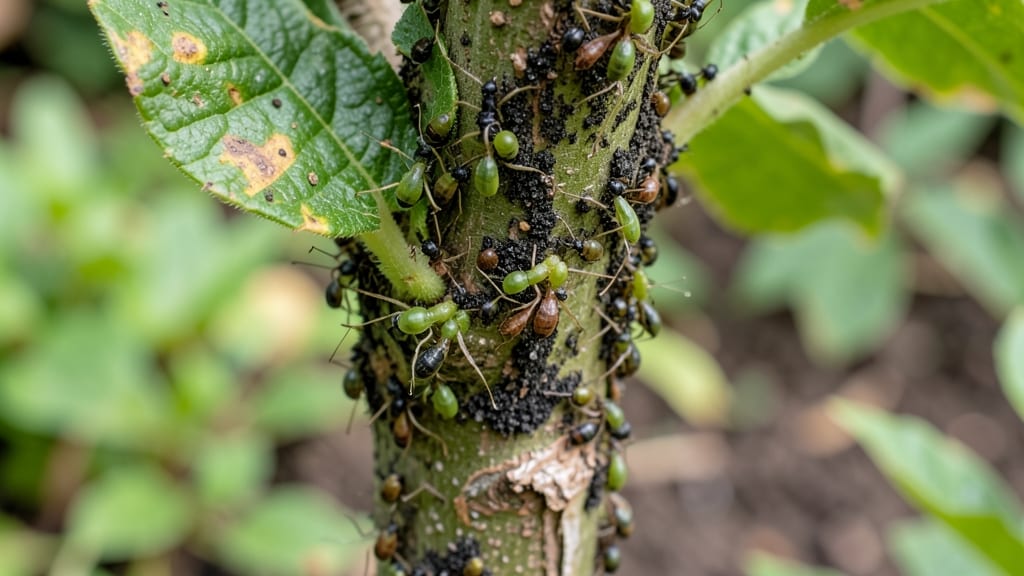
Aphids swarming your tree like a tiny, sticky nightmare? 🌿 That tree infested with aphids isn’t just an eyesore—it’s a fast-track to honeydew drips and sooty mold.
I’ve battled these sap-sucking pests on my apple tree, and this organic spray solution stops them in their tracks within hours, no harsh chemicals needed.
The key is acting fast—aphids multiply like crazy, and their sticky residue attracts ants while weakening your tree. My go-to mix of neem oil, water, and a drop of dish soap disrupts their life cycle instantly.
You’ll see them dropping off leaves within minutes, and new growth stays aphid-free for weeks. The best part? It’s safe for kids, pets, and beneficial insects like ladybugs.
By sunset, your tree will look refreshed, and the ants will lose their free snack buffet. The spray works on maples, fruit trees, and even roses, and you’ll only need 3 simple ingredients from your local garden center.
No more helplessly watching your tree’s leaves curl up—this solution gets results fast.
Once the immediate threat is gone, focus on prevention: encourage ladybugs, prune for airflow, and apply the spray every 2-3 weeks during peak aphid season. Your tree will bounce back stronger, and you’ll skip the panic of next year’s infestation.
Root Causes Of Aphid Outbreaks
Aphids may seem like a random nuisance, but their rapid multiplication on trees is rarely accidental. These tiny sap-sucking insects thrive when specific conditions align—often exploiting weaknesses in your tree’s health or environment. Understanding why aphids target your trees is the first step to stopping them before they spread.
Below, we break down the key triggers, from biological factors to human-made mistakes, so you can address the real problem, not just the symptoms.
Aphids are like uninvited guests who only show up when your tree’s doors are wide open. A tree’s natural defenses—like sticky sap, strong bark, or beneficial predators—can be compromised by:
- Nutrient Deficiencies: Aphids adore trees that are starving. When nitrogen, phosphorus, or potassium levels drop, trees produce softer, more nutrient-rich sap—aphid all-you-can-eat buffet. 💡 Pro Tip: Yellowing leaves or stunted growth? Your tree might be malnourished, signaling aphids to move in.
- Stress From Environmental Shifts: Sudden drought, extreme heat, or frost can shock a tree’s system, making it release stress hormones that attract aphids. Think of it like a tree screaming for help—aphids hear it.
- Disease or Pest Damage: If your tree is already battling fungal infections (like powdery mildew) or other pests (e.g., mites), it’s double vulnerable. Aphids exploit these weak spots, often arriving in waves after another infestation.
Actionable Fix: Boost your tree’s resilience with a balanced organic fertilizer (like fish emulsion or compost tea) and mulch to retain moisture. Healthy trees repel pests naturally.
Not all trees are aphid magnets, but some are especially appealing due to their biology or popularity in landscaping. Aphids favor:
| Tree Type | Why Aphids Love Them | Common Aphid Species |
|---|---|---|
| Fruit Trees (Apple, Pear, Cherry) | Sweet, sugary sap and tender new growth. | Green apple aphid, rosy apple aphid |
| Maples & Birches | Fast-growing leaves = aphid buffet. | Maple leaf aphid, birch aphid |
| Rose Bushes & Ornamental Shrubs | Soft stems and clustered leaves = easy access. | Rose aphid, woolly aphid |
Overcrowded trees—especially those planted too close together—create microclimates that aphids adore: higher humidity, less airflow, and shaded spots where predators (like ladybugs) avoid. ✨ Key Insight: Aphids also thrive in monoculture plantings (e.g., rows of identical fruit trees), where their numbers explode unchecked.
Actionable Fix: Space out trees to improve airflow, and interplant with aphid-repelling species like garlic, chives, or marigolds. Prune to open the canopy and reduce hiding spots.
Aphids are the prey, not the predators—but when their usual enemies vanish, they stage a takeover. The balance of nature hinges on:
- Beneficial Insects: Ladybugs, lacewings, and parasitic wasps devour aphids. But if you’ve used broad-spectrum pesticides (even years ago), these helpers may have fled.
- Birds & Bats: Some species, like goldfinches or swallows, snack on aphids. Urbanization or light pollution can disrupt their feeding patterns.
- Fungal Diseases: Pathogens like Beauveria bassiana (a natural aphid killer) thrive in damp, diverse ecosystems. Monoculture gardens starve these fungi.
Actionable Fix: Create a predator-friendly garden with native plants, birdhouses, and shallow water sources. Avoid neonicotinoids (a class of pesticides that wipe out beneficial insects).
Aphids are opportunists, and their life cycles sync with weather patterns. Key climate-related causes include:
- Mild Winters: Cold snaps kill off aphid eggs, but unseasonably warm winters let them hatch early. Global climate shifts are extending aphid seasons.
- Warm, Dry Springs: Aphids reproduce exponentially in heat (some species double in days). Drought-stressed trees produce more sap, making them even more attractive.
- High Humidity: While aphids dislike soggy conditions, moderate humidity (60–80%) helps them retain moisture and slows down natural predators.
Actionable Fix: Monitor local weather forecasts and treat trees preemptively before aphids explode. Drip irrigation (instead of overhead watering) keeps foliage dry, discouraging infestations.
Remember: Aphids don’t attack randomly—they’re responding to invitation. By addressing these root causes, you’re not just treating the infestation; you’re making your tree unappealing to future visitors. 🚫🐜
Quick Fixes for Sap-Sucking Invaders
Now that you understand why aphids are crashing your tree’s party, let’s roll up our sleeves and tackle these tiny troublemakers—without harsh chemicals. Below, we’ll map out the best solutions based on the root cause of your infestation, from quick fixes to long-term prevention.
Think of this as your aphid battle plan, tailored to your tree’s needs.
---
If you’ve spotted a few clusters of aphids but your tree still looks healthy, these low-effort, high-impact methods will do the trick.
#### 💦 Water Blasts: Nature’s Pressure Washer Aphids hate being drenched.
A strong stream of water from a hose (about 30 psi) can knock them off leaves and stems. How to do it right: - Timing: Early morning or late afternoon (avoid midday heat stressing the tree). - Technique: Angle the nozzle under leaves and stems where aphids hide.
Repeat every 3–5 days until they disappear. - Pro Tip: 🌡️ If temps are below 50°F (10°C), wait—cold water can shock the tree.
#### 🍃 Homemade Soap Spray: Sudsy Defense A mild insecticidal soap disrupts aphid wax layers, dehydrating them. DIY recipe: - 1 tsp mild liquid soap (like Castile or Dr. Bronner’s) + 1 quart water. - 1 tsp vegetable oil (helps soap stick to aphids). - Shake well and spray directly on infested areas (avoid blooming flowers—soap can harm them). - Reapply every 5–7 days until aphids vanish.
---
If your tree is covered in aphids, sticky residue, or wilting, you’ll need a two-pronged attack: immediate control + long-term fixes.
#### 🐝 Ladybugs & Lacewings: The Good Guys Nature’s pest control is free and effective.
Release beneficial insects like: - Ladybugs (eat 50+ aphids/day as adults, 100+ as larvae). - Lacewings (larvae are aphid-munching machines). - Where to buy: Local garden centers, online (check for native species). - How to deploy: Release them at dusk when aphids are active.
Repeat weekly until balance is restored.
#### 🌿 Neem Oil: The Organic Powerhouse Neem oil smothers aphids, disrupts their life cycle, and repels future infestations. How to use: - 1 tbsp neem oil + 1 tsp mild soap + 1 quart water. - Shake vigorously and spray thoroughly (top and bottom of leaves). - Best time: Early morning or evening (avoid direct sun—can burn leaves). - Reapply every 7–10 days for 3–4 weeks.
> ⚠️ Warning: Neem oil can harm beneficial insects like bees. Apply only when flowers aren’t open.
---
An ounce of prevention is worth a gallon of spray. Lock down your tree’s defenses with these easy habits:
#### 🌱 Strengthen Your Tree’s Immunity - Water deeply but less often (aphids love stressed, thirsty trees). - Mulch around the base (3–4 inches) to retain moisture and deter pests. - Prune regularly to improve airflow—aphids thrive in dense, shaded spots.
#### 🌿 Companion Planting: Aphid Repellents Plant aphid-hating neighbors near your tree: - Garlic, chives, or onions (release sulfur compounds aphids avoid). - Marigolds (contain pyrethrin, a natural insect repellent). - Dill or fennel (attracts aphid-eating hoverflies).
#### 🕵️♂️ Early Detection: Scout Like a Pro - Check new growth (aphids love tender leaves). - Look for ant trails (ants farm aphids for honeydew—disrupt them with diatomaceous earth). - Inspect undersides of leaves (aphids hide there like tiny ninjas).
--- | Season | Task | Why It Works | |------------|----------|------------------| | Spring | Apply neem oil spray before buds open | Stops early infestations | | Summer | Water deeply weekly + release ladybugs | Keeps tree healthy, attracts predators | | Fall | Prune dead branches + add mulch | Reduces hiding spots, improves soil health | | Winter | Inspect dormant trees for egg masses | Catches overwintering aphids early |
--- - ❌ Avoid chemical pesticides (kill beneficial insects and harm soil). - ❌ Don’t ignore ants (they protect aphids—break the cycle). - ❌ Skip the undersides of leaves (aphids hide there!).
--- With these targeted, organic solutions, your tree will bounce back faster than you think—and stay aphid-free for good. Grab your hose, call in the ladybugs, and watch those sap-suckers say adiós!** 🚀🌳
Frequently asked questions
How can I tell if my tree has aphids or just regular dirt?
Aphids leave behind sticky honeydew (not just dirt) that attracts ants and creates black sooty mold on leaves. Look for tiny green/black clusters on new growth or leaf undersides—aphids are usually 1/16-inch long and move slowly.
Will my tree die if I don't treat aphids immediately?
Most healthy trees survive aphid attacks, but severe infestations can weaken growth and attract diseases. Focus on trees with new leaves, fruit, or stressed bark—these need faster treatment. The key is acting before honeydew builds up (which blocks sunlight).
Can I use dish soap alone to kill aphids?
Yes! Mix 1 tablespoon mild dish soap with 1 quart water and spray directly on aphids. The soap disrupts their protective coating. For better results, add 1 teaspoon vegetable oil to help the solution stick. Reapply every 5-7 days until they disappear.
Why do ants always appear when I have aphids?
Ants farm aphids for their honeydew! They protect aphids from predators in exchange for this sweet secretion. Break the cycle by wiping ant trails with vinegar or applying diatomaceous earth near the tree base.
How often should I check my trees for aphids?
Inspect trees every 7-10 days during growing season (spring-fall). Focus on new growth, leaf undersides, and tender stems—these are aphid hotspots. Early detection prevents infestations from spreading.