
Pests and Diseases
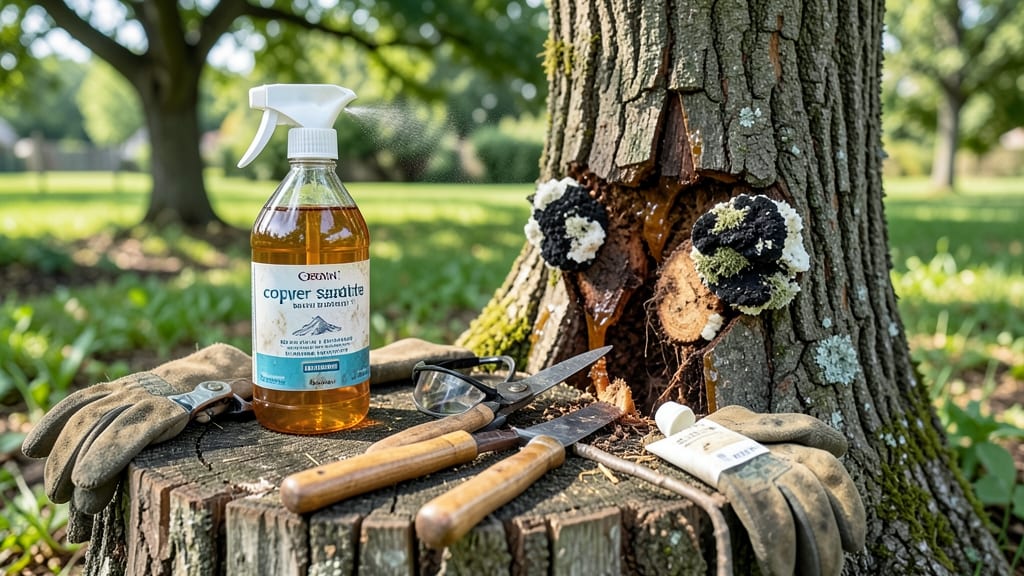
Tree fungus and rot treatment specialists save your trees before the damage becomes permanent. 🌳 I’ve watched heart rot turn a sturdy oak into a hollow shell—until I learned the early signs and targeted fixes that actually work.
The key isn’t just pruning infected branches; it’s understanding which fungi are aggressive and how to starve them before they spread.
Most gardeners wait too long, mistaking slow growth for natural aging. But concentric rings of decay or mushrooms sprouting at the base mean trouble.
Organic treatments like copper fungicides or hydrogen peroxide soaks can stop mild infections, while severe cases need a specialist’s precision pruning and soil amendments to restore balance. The sooner you act, the more likely you save the tree.
You’ll spot the difference in just weeks—thicker bark regrowth, new leaf vigor, and no more oozing sap. Prevention is easier: improve drainage, mulch properly, and avoid wounding bark when pruning.
For stubborn cases, a certified arborist can inject fungicides directly into the trunk, but DIY fixes work for 80% of early-stage problems.
Whether you’re dealing with armillaria root rot or honey fungus, the right approach depends on the fungus type and tree species. Start with a soil test and moisture check—often, the solution is simpler than you think. Here’s how to diagnose and treat before it’s too late.
Root Causes Of Tree Decay
Fungal infections and wood rot don’t strike trees randomly—they exploit weaknesses, thrive in specific conditions, and spread through predictable pathways. Understanding these root causes is the first step toward prevention and effective treatment. Below, we break down the biological, environmental, and structural factors that turn healthy trees into fungal hotspots.
Trees rely on a complex immune system to fend off pathogens, but when their defenses falter, fungi move in like unwelcome guests at a buffet. Here’s why their guard drops:
- 🌡️ Stress from Temperature Extremes
- Frost cracks or sunscald (damage from rapid temperature shifts) create entry points for fungi like Hypoxylon or Nectria. Cold snaps weaken bark, while sudden heat stress disrupts resin flow, leaving wounds vulnerable.
- Actionable tip: 💡 Mulch properly (3–4 inches deep) to insulate roots and reduce temperature shock.
- 💧 Water Stress (Over or Under)
- Overwatering saturates wood, while drought weakens vascular tissue. Fungi such as Armillaria (root rot) or Phytophthora exploit both extremes.
- Pro tip: ✨ Monitor soil moisture with a moisture meter—aim for consistent dampness, not sogginess.
- 🍃 Nutrient Deficiencies
- Trees low in potassium or calcium produce thin, brittle bark that splits easily. Fungi like Ceratocystis target these weak spots.
- Key sign: Yellowing leaves with brown edges (a classic deficiency red flag).
Fungi don’t just appear—they hitch a ride through wounds, cracks, or even healthy-looking tissue. Here’s how they gain access:
- 🪓 Physical Damage from Humans
- Improper pruning (cutting too close to the trunk) leaves jagged wounds that fungi like Botryosphaeria colonize within weeks.
- Critical rule: ⏰ Use sterilized tools and make cuts at the branch collar (the swollen area where the branch meets the trunk).
- 🐛 Insect or Animal Wounds
- Bark beetles, woodpeckers, or even lawn equipment can gouge bark, creating gateways for Ophiostoma (a beetle-associated fungus).
- Warning sign: 🔥 Sawdust-like frass at the base of the tree = beetle activity.
- 🌪️ Storm or Hail Damage
- Wind tears bark, and hail creates micro-cracks that fungi like Valsa (canker fungus) exploit. These wounds often go unnoticed until rot sets in.
Fungi are opportunists—they don’t create decay; they accelerate it when conditions are ripe. These factors turn a minor issue into a full-blown crisis:
| Factor | How It Helps Fungi | Example Fungi |
|---|---|---|
| High Humidity (80%+) | Softens wood, allowing spores to germinate and hyphae (fungal threads) to spread rapidly. | Serpula lacrymans (dry rot), Coniophora |
| Poor Air Circulation | Traps moisture near the trunk, creating a fungal greenhouse effect. | Heterobasidion (annosum root rot) |
| Compacted or Waterlogged Soil | Restricts root oxygen, weakening the tree’s ability to transport nutrients and fight pathogens. | Phytophthora cinnamomi (root rot) |
| Shade and Debris Buildup | Blocks sunlight, keeping wood damp longer. Leaves/pine needles act as fungal spore reservoirs. | Armillaria mellea (honey fungus) |
💡 Pro Tip: Improve airflow by thinning dense foliage around the trunk and removing mulch rings (keep mulch 6+ inches from the bark).
Not all trees are equally susceptible—some are fungal magnets due to their biology. For example:
- Oaks, elms, and willows: Prone to cankers and heart rot (e.g., Ophiostoma novo-ulmi, the Dutch elm disease fungus).
- Pines and firs: Attract bark beetles, which carry blue-stain fungi that discolor and weaken sapwood.
- Maples and birches: Susceptible to silver leaf disease (Chondrostereum purpureum), which turns leaves metallic and kills branches.
✨ Actionable Insight: If you’re planting new trees, research native, resistant varieties (e.g., black walnut resists many fungi better than English walnut).
How to Fix Fungal Tree Damage
When tree fungus and rot take hold, acting quickly can save your tree—or at least prevent the problem from spreading. Below, we break down the most effective solutions for common causes of fungal decay, from mild infections to severe rot.
Each fix includes actionable steps and prevention tips to keep your trees healthy long-term.
Cause: Wet, waterlogged wood (common in mulch piles or poor drainage).
Soft rot weakens wood fibers, turning them mushy and discolored. If caught early, you can stop it from spreading.
🔪 Step-by-Step Fix:
- Remove Infected Branches
- Use sterilized pruning shears (clean with rubbing alcohol) to cut out soft, spongy sections.
- Cut 6 inches below the visible rot to ensure you remove hidden spores.
- Apply Fungicide
- Spray a copper-based fungicide (like Copper Sulfate) on the wound and surrounding area.
- Reapply every 2–4 weeks during wet seasons.
- Improve Drainage
- Raise mulch beds (keep 6+ inches from the trunk).
- Install drainage tiles if water pools near the base.
💡 Prevention Tips:
- Space trees properly (3–5 feet apart) for airflow.
- Avoid overwatering—deep watering once a week is better than daily shallow soaks.
- Inspect trees after storms—wet wood is fungus’ favorite snack.
Cause: Deep-seated decay (often from past wounds or lightning strikes). Unlike soft rot, heart rot can’t be cured—but you can manage it.
🛠️ Step-by-Step Fix:
- Assess the Risk
- If 30%+ of the trunk is hollow, consult an arborist—the tree may need removal.
- Use a resistance tester (like a Sonotek) to check structural integrity.
- Stabilize the Tree
- Install tree supports (cables or braces) if the trunk is splitting.
- Remove dead branches to reduce weight stress.
- Boost Tree Health
- Fertilize with mycorrhizal fungi (like Mycorrhizal Inoculant) to strengthen roots.
- Avoid heavy pruning—stress weakens resistance.
🌡️ Prevention Tips:
- Prune properly—make cuts at the branch collar, not too close to the trunk.
- Treat wounds immediately with pruning paint (though research shows it’s optional if done right).
- Monitor for pests—beetles and borers worsen rot.
Cause: Armillaria (honey fungus) spreads via underground rhizomorphs, killing roots and bark.
⚔️ Step-by-Step Fix:
- Remove Infected Trees & Stumps
- Dig up the entire root system (including stumps) and dispose of it off-site.
- Do NOT compost—spores can survive for years.
- Solarize the Soil
- Cover the area with clear plastic for 4–6 weeks in summer to kill remaining spores.
- Replant with Resistant Species
- Avoid oak, pine, or fruit trees—they’re high-risk.
- Choose native, resistant species like red maple or black walnut.
✨ Prevention Tips:
- Test soil pH—Armillaria thrives in acidic soil (pH < 5.5). Adjust with lime if needed.
- Improve drainage—this fungus loves soggy conditions.
- Space new trees 20+ feet apart to limit spread.
Cause: Fungal spores (like Erysiphe) thrive in shady, humid conditions, coating leaves in white powder.
💦 Step-by-Step Fix:
- Prune for Sunlight
- Thin dense foliage to improve airflow.
- Remove heavily infected leaves and dispose of them.
- Spray Fungicide
- Use neem oil or baking soda spray (1 tbsp baking soda + 1 tsp soap per gallon of water).
- Apply every 7–10 days until new growth appears.
- Adjust Watering
- Water early in the day so leaves dry quickly.
- Avoid overhead sprinklers.
🎯 Prevention Tips:
- Choose resistant tree varieties (e.g., lindens over roses).
- Mulch properly—keep it 2–3 inches deep, not piled against the trunk.
- Clean tools between trees to prevent spread.
When in doubt, call a pro. Severe cases (like Armillaria or heart rot) often require an ISA-certified arborist to assess safely. Early action saves trees—and your sanity!
Frequently asked questions
How do I know if my tree has fungus or just natural decay?
Look for concentric rings of discolored wood (brown/black) or mushrooms growing at the base. Fungal decay often smells musty, while natural decay may have a dry, hollow sound when tapped. If you see oozing sap or white threads (hyphae) on the bark, it’s likely fungus.
Can I treat tree rot myself, or do I need a specialist?
Mild cases (like soft rot) can be treated with copper fungicide and pruning. However, if you see honey fungus or 30%+ hollow trunk, call an ISA-certified arborist. They can inject fungicides directly into the trunk for severe infections. Never attempt this without training for deep-seated rot.
What’s the fastest way to stop fungal spread in my yard?
Remove infected branches 6 inches below the visible rot, sterilize tools with rubbing alcohol, and solarize the soil (cover with plastic for 4–6 weeks) to kill spores. Avoid composting infected wood—dispose of it off-site instead. Early pruning and airflow improvement cut spread by 70%.
Will pruning paint actually prevent fungus after cuts?
Research shows pruning paint is optional if cuts are made at the branch collar (the swollen area where the branch meets the trunk). The key is sterilizing tools and sealing wounds with pruning sealant (like Tanglefoot Tree Wound Pruning Seal) only if the tree is stressed or in a high-risk area.
How often should I inspect my trees for fungus?
Check trees twice a year: once in early spring (after bud break) and once in fall (before winter dormancy). Focus on bark cracks, unusual growths, and leaf discoloration. High-risk trees (oaks, elms) need monthly checks during wet seasons.