
Diseases
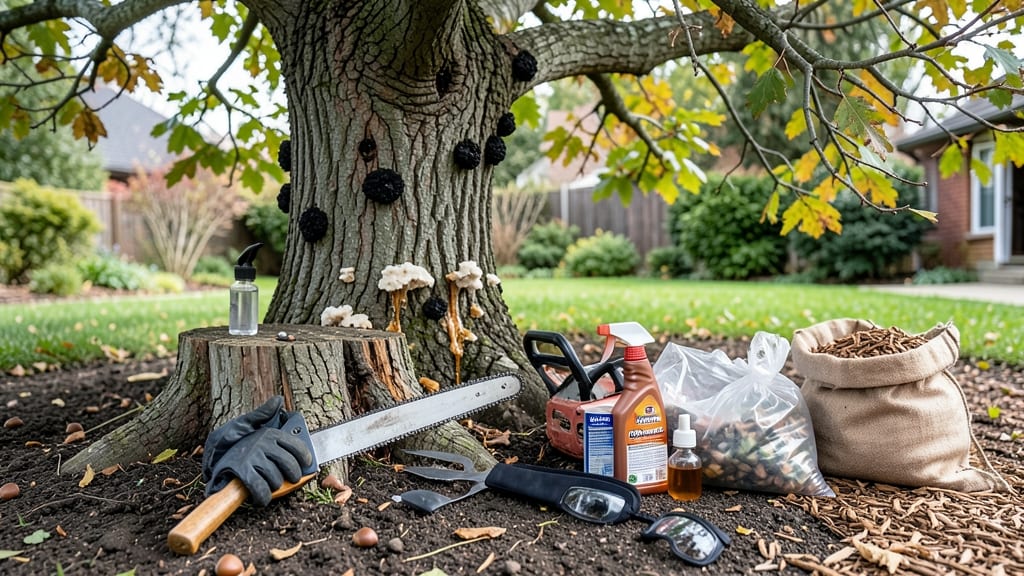
Tree fungus removal in Aledo starts with spotting the warning signs—those strange white mats on bark or blackened cankers that look like they’re eating your tree alive. 🌲 I’ve seen armillaria root rot turn a healthy oak into a hollow shell in just two seasons, and that’s why acting fast matters. The key is identifying the type of fungus first, then choosing treatments that won’t harm your tree or the local ecosystem.
Most common in Aledo’s humid summers, fungi like powdery mildew or canker spread when rain and heat create the perfect breeding ground. You’ll need basic tools—a pruning saw, copper fungicide, and thick gloves—to tackle the problem safely.
Organic options like neem oil work for early stages, but severe cases might require professional intervention to save the tree.
By following these steps, you’ll stop the spread and give your tree a fighting chance. Think of it like giving your tree a deep clean—removing infected branches, applying the right treatment, and keeping an eye out for new signs.
The goal isn’t just to fix the problem but to prevent it from coming back next season.
Local arborists know Aledo’s tree species best, so don’t hesitate to call them if the fungus is spreading fast or the tree is large. Prevention is easier than a rescue—regular checks and proper pruning keep your trees healthy for years. Let’s get your yard back to thriving!
Root Causes Of Tree Fungus
Fungal infections in trees don’t happen by accident—they’re the result of specific conditions that create the perfect environment for spores to thrive. Understanding these triggers is the first step to preventing or addressing fungal issues in Aledo’s trees.
Let’s break down the most common causes, backed by science, so you can spot the warning signs early.
---
Fungi love water—it’s how they spread, grow, and feed.
Trees in Aledo, especially those in low-lying areas or with compacted soil, are particularly vulnerable when: - Rainfall or irrigation oversaturates the soil 💧: Prolonged wet conditions (like after heavy storms or overwatering) create ideal breeding grounds for fungal spores. Armillaria root rot, for example, thrives in soggy soil, strangling tree roots by blocking nutrient uptake. - Poor drainage traps moisture 🚫💦: Clay-heavy or poorly amended soil holds water like a sponge, suffocating roots.
Fungi like Phytophthora (a water mold) exploit this, leading to root rot and eventual tree decline. - Standing water near the trunk 🌊: If water pools at the base of a tree—whether from poor grading or blocked drains—it accelerates fungal growth. Canker diseases (e.g., Nectria) often start here, creating open wounds where fungi can invade.
Actionable Fix: Improve drainage with soil amendments (like compost or sand), install French drains, or redirect downspouts away from the trunk.
---
A healthy tree’s bark, leaves, and roots act as a natural barrier against fungi. But when trees are stressed, their defenses crumble.
Common stressors include: - Physical damage ⚔️: Cracks, splits, or wounds from storms, lawn equipment, or improper pruning create entry points for fungi. Hypoxylon canker, for instance, exploits bark injuries to infect oak trees. - Nutrient deficiencies 🌱: Trees lacking essential nutrients (like nitrogen, potassium, or magnesium) weaken over time.
Fungi like Fomes fomentarius (a shelf fungus) target nutrient-starved trees, accelerating decay. - Pests or insects 🐜: Bark beetles, borers, and sap-sucking insects create wounds that fungi exploit. Ceratocystis wilt, spread by beetles, can kill trees in weeks by clogging their vascular system.
Actionable Fix: Prune correctly (use sterile tools!), mulch properly (2–4 inches deep, away from the trunk), and fertilize based on soil tests.
---
Trees don’t just compete for sunlight—they also battle for air circulation and resources.
Overcrowding or poor spacing creates a fungal paradise because: - Limited airflow 🌬️❌: Dense foliage traps humidity, slowing evaporation and keeping leaves wet longer. Anthracnose (a leaf spot fungus) thrives in these conditions, disfiguring leaves and weakening the tree. - Root competition 🌱💥: Trees planted too close share nutrients and water, stressing them.
Weakened roots become easy targets for Armillaria or Heterobasidion (a conifer-killing fungus). - Monoculture plantings 🌲🔄: Planting the same tree species in clusters (e.g., all oaks or pines) increases the risk of epidemic fungal spread. If one tree gets infected, others are likely to follow.
Actionable Fix: Space trees appropriately (follow local guidelines), prune for better airflow, and diversify species in landscapes.
--- Fungi don’t just appear out of nowhere—they hitchhike on wind, water, and even animals. In Aledo’s landscapes: - Windborne spores 🌬️: Fungi like Ganoderma (a shelf fungus) release spores that travel miles, landing on healthy trees.
Once they germinate, they infect through bark cracks or wounds. - Contaminated tools or soil 🪓: Pruning shears, mulch, or even garden gloves can carry fungal spores from one tree to another. Cytospora canker spreads this way, often through infected wood chips. - Wildlife activity 🦊: Squirrels, birds, and even deer can transport spores on their fur or feet. Honey fungus (Armillaria) spreads via infected wood or animal movement.
Actionable Fix: Sterilize tools with rubbing alcohol, avoid mulching with infected wood, and remove fallen leaves/debris promptly.
--- Fungi are opportunistic—they strike when trees are off-balance, especially during: - Sudden temperature drops ❄️🔥: Freeze-thaw cycles crack bark, inviting fungi like Nectria to invade.
Oak wilt, for example, spreads faster in spring when trees flush new growth after winter dormancy. - Heat stress 🔥: Drought weakens trees, making them susceptible to Ceratocystis or Verticillium wilt.
Fungi exploit the tree’s inability to regulate moisture and nutrients. - Humid summers 🌞💧: High humidity (common in Texas summers) keeps leaves damp longer, promoting powdery mildew or rust fungi that thrive on leaf surfaces.
Actionable Fix: Mulch to regulate soil temperature, water deeply but infrequently, and avoid stressing trees with extreme pruning in heatwaves.
Step-by-Step Tree Fungus Removal
Fungal infections can turn your Aledo trees from vibrant greenery into a sad, crumbling sight—but don’t worry! With the right approach, you can save your trees and restore their health. Below, we break down practical solutions for common fungal issues, from identifying the problem to preventing future outbreaks.
Follow these steps to remove fungus effectively and keep your trees thriving.
---
Cause: Overwatering, poor drainage, or contaminated soil. Fix: 1. 🔥 Assess the Damage - Dig around the base to check for soft, discolored roots (healthy roots are firm and white). - If roots smell rotten or mushy, root rot is likely the culprit.
2. 👨🍳 Prune Affected Areas - Remove any dead or dying branches (use sterilized pruners to avoid spreading spores). - Cut back to healthy green tissue—this stops the fungus from feeding.
3. 🌱 Improve Drainage - Raise the soil level by adding gravel or compost to create better airflow. - Avoid overwatering—let the top 2-3 inches of soil dry out between waterings.
4. 💡 Fungal Treatment - Apply a copper-based fungicide (like Copper Sulfate) to the soil and trunk. - For severe cases, professional soil fumigation may be needed.
✨ Prevention Tip: - Install drainage pipes if your yard floods easily. - Mulch properly (2-4 inches) but keep it away from the trunk to prevent moisture buildup.
---
Cause: High humidity, poor air circulation, or weak tree immunity. Fix: 1. 🍳 Remove Infected Leaves - Rake and dispose of fallen leaves (do not compost them—they spread spores). - Trim branches with heavy fungal growth to improve airflow.
2. 🔪 Spray Fungicides - Use neem oil (natural) or potassium bicarbonate spray (organic) for mild cases. - For stubborn infections, systemic fungicides (like Myclobutanil) work best.
3. 🌡️ Adjust Care Routine - Water in the morning (not at night) to reduce humidity. - Prune for sunlight—thin out dense foliage to let air circulate.
💡 Prevention Tip: - Space trees properly (3-5 feet apart) to prevent overcrowding. - Fertilize in early spring to boost tree resistance.
---
Cause: Wounds from storms, pests, or poor pruning let fungus invade the tree’s center. Fix: 1. 🔥 Determine if Salvage is Possible - If the trunk is hollow but structurally sound, the tree may still live. - If it’s leaning dangerously or cracking, removal may be safest.
2. 👨🍳 Apply Fungicide to Wounds - Prune out infected wood (sterilize tools with rubbing alcohol). - Seal wounds with pruning paint or wound dressing (only on small cuts—big wounds should air-dry).
3. 🌱 Strengthen the Tree - Deep-water and fertilize to help it recover. - Support weak branches with tree ties if needed.
⚠️ Warning: - Heart rot is often irreversible—if the tree is a hazard, consult an arborist for removal.
💡 Prevention Tip: - Avoid heavy pruning in late summer/fall (when fungi are most active). - Inspect trees after storms—repair damage within 24 hours to prevent infection.
---
Even after treatment, proactive care stops fungus from returning. Try these easy habits:
| Task | How to Do It | Best Time | |-------------------------|------------------------------------------|------------------------| | Prune for airflow | Remove dead/diseased branches | Late winter/early spring | | Mulch correctly | 3-inch layer, 6 inches from trunk | Spring or fall | | Water wisely | Deep and infrequent (1 inch/week) | Early morning | | Fertilize | Balanced NPK (10-10-10) | Early spring | | Monitor for pests | Check for sawdust-like frass (sign of borers) | Year-round |
--- 🎯 Final Pro Tip: If DIY treatments don’t work after 3-4 months, call a local Aledo arborist—some fungi (like Dutch elm disease) require professional intervention. Early action is key to saving your trees!
Frequently asked questions
What are the most common types of tree fungus found in Aledo?
Aledo’s humid climate makes trees susceptible to armillaria root rot, powdery mildew, oak wilt, and canker diseases. Armillaria spreads through infected roots, while powdery mildew appears as white powder on leaves. Oak wilt targets red oaks and can kill them in weeks.
Can I use household items like vinegar or baking soda to treat tree fungus?
While vinegar or baking soda sprays may help mild leaf infections, they’re not strong enough for serious fungal issues like root rot or canker. Use neem oil or copper fungicides instead—these are proven to work against most tree fungi without harming the plant.
How do I know if my tree is beyond saving?
If the trunk is hollow, cracked, or oozing dark sap, or if the tree leans dangerously, it’s likely too far gone. Large cankers covering more than 25% of the trunk or extensive root decay also mean removal is safest. When in doubt, consult a local arborist for an assessment.
Is it safe to compost leaves or branches infected with fungus?
Never compost infected plant material—it spreads spores and reinfects your garden. Instead, bag and dispose of infected leaves/wood in sealed trash bags. If burning, ensure the fire is hot enough to kill spores completely.
How often should I inspect my trees for fungus?
Check your trees every 4-6 weeks during growing seasons (spring-fall) and after storms. Focus on bark, leaves, and the base—early detection gives you the best chance to treat infections before they spread.