
Pruning
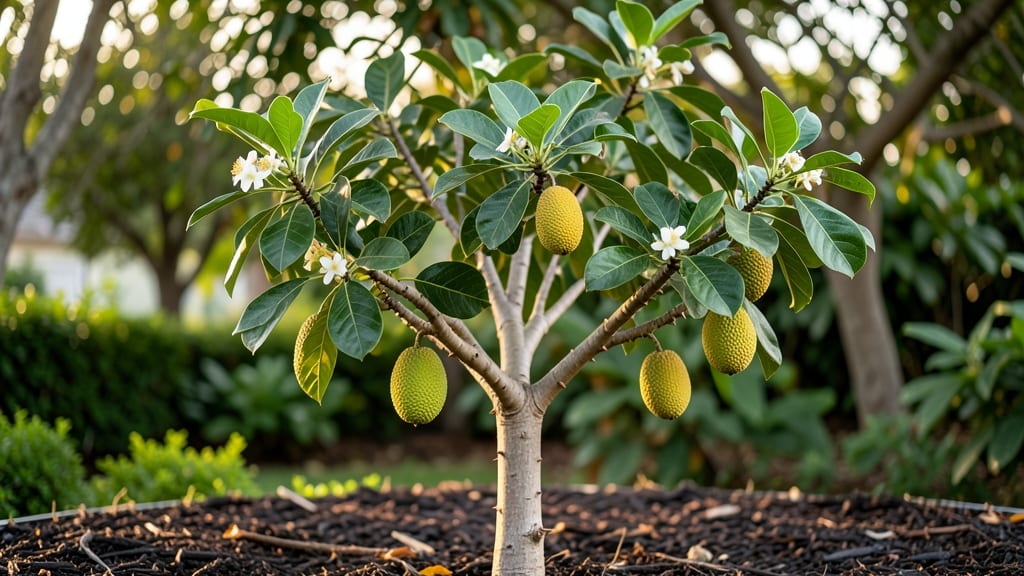
The size of a sugar apple tree 🍈 can swing from a compact 10-foot specimen to a sprawling 30-foot giant, depending on the variety and growing conditions.
Picture this: You’ve just planted your first sugar apple tree, only to realize your backyard isn’t big enough for its full-grown glory. Or maybe you’re eyeing a dwarf variety for containers but don’t know if it’ll even produce fruit.
These trees grow fast—6 to 10 feet in just two years—so spacing and pruning early is the key to avoiding crowded roots or stunted growth.
In tropical and subtropical zones (10-12), sugar apple trees thrive with full sun and rich soil, but their mature height depends on whether you’re growing a standard variety or a rare compact type.
Without proper planning, you could end up with a tree that outgrows its space—or worse, one that struggles because it’s too cramped.
Below, I’ll break down the exact spacing you need by variety, how to control growth with pruning, and the 3 biggest mistakes that turn sugar apple trees into space hogs. Ready to plan your planting?


Sugar apple tree height by variety: dwarf to giant size comparison
Choosing a sugar apple tree means deciding between compact varieties perfect for small spaces and towering giants that dominate landscapes. The Annona squamosa family includes stunning diversity, with mature heights ranging from 10 to 30 feet.
Your garden's size and climate will determine which variety thrives best—whether you're working with a balcony container or a sprawling backyard. Let’s explore the key differences between varieties so you can pick the perfect fit.
Most sugar apple trees grow upright with a pyramidal shape, though some varieties develop wider canopies. The 'Criollo' variety, for example, typically reaches 15-20 feet with a dense, bushy habit, while 'Atemoya' hybrids can stretch up to 25 feet in ideal tropical conditions.
Understanding these growth patterns helps prevent overcrowding and ensures your tree gets the sunlight and airflow it needs to produce sweet, custard-like fruit.
| Variety | Mature Height (ft) | Spread (ft) | Growth Habit | Ideal Climate |
|---|---|---|---|---|
| 'Criollo' | 15-20 | 10-15 | Upright, dense | Tropical/subtropical |
| 'Sugar Apple' | 18-25 | 12-18 | Spreading, bushy | USDA Zones 10-12 |
| 'Atemoya' | 20-30 | 15-20 | Tall, upright | Warm coastal areas |
| 'Cherimoya' | 12-18 | 8-12 | Compact, rounded | Mild winters |
| 'Giant Sugar Apple' | 25-30 | 20-25 | Massive, spreading | Tropical rainforests |
The 'Criollo' variety is my top recommendation for smaller gardens. Its 15-20 foot height fits neatly in suburban backyards while still producing abundant fruit. If you're in USDA Zones 10-12, this variety thrives with minimal fuss and requires 6+ hours of sunlight daily.
For larger properties, the 'Atemoya' hybrid offers dramatic height and striking fruit, but it demands more space and a warm microclimate to avoid frost damage.
If you're growing sugar apples in containers, none of these varieties are naturally dwarf—but you can prune aggressively to keep them under 6-8 feet. Use 5-gallon pots for young trees and upgrade to 15-gallon containers as they mature.
Just remember: container-grown trees produce smaller fruit and require monthly fertilization to compensate for root restriction.
For tropical climates, the 'Giant Sugar Apple' variety is a showstopper, reaching 25-30 feet with a wide canopy. This variety loves humidity and heat, making it ideal for Florida, Hawaii, or California coastal areas.
However, its size means you’ll need to plant it at least 20 feet from fences or buildings to avoid shading issues. Always check local frost dates—even a light freeze can kill the tree.
One common mistake is assuming all sugar apple trees grow the same size. The 'Cherimoya' variety, for instance, stays 12-18 feet tall and works well in mild-winter regions. Its compact shape makes it perfect for urban gardens where space is limited.
Pair it with a trellis or espalier system to train it into a smaller footprint if needed.
When planning your garden layout, account for both height and spread. A 20-foot-tall tree with a 15-foot spread needs a 30-foot diameter of space to thrive. Skimping on room leads to crowded branches, poor airflow, and fungal diseases like anthracnose.
Always plant sugar apples where they’ll have unobstructed sunlight from morning until afternoon.
If you're new to growing sugar apples, start with the 'Criollo' variety—it’s the most adaptable and forgiving. For experienced growers, the 'Atemoya' or 'Giant Sugar Apple' offer exciting challenges and larger fruit yields.
Whichever you choose, monitor growth closely in the first 2 years to adjust pruning and spacing as needed.
Ready to plant? Measure your space twice before buying a tree—once for the mature height and again for the canopy spread. A well-placed sugar apple tree becomes the centerpiece of any tropical garden, offering shade, beauty, and delicious fruit for decades. 🌳
Proper spacing and sunlight needs for sugar apple trees by size
When planning your sugar apple tree (Annona squamosa) placement, proper spacing and sunlight exposure are critical for healthy growth and abundant fruit production. Standard varieties can reach 15-30 feet tall with a spread of 10-15 feet, while container-grown trees stay more compact.
Without enough space, you risk root competition and disease spread from poor airflow.
Sugar apple trees thrive in full sun conditions, needing at least 6-8 hours of direct sunlight daily. In partial shade, they may produce fewer fruits and grow more slowly.
However, in extremely hot climates, afternoon shade can prevent leaf scorch while maintaining productivity. Always balance sunlight with your local climate to avoid stressing the tree.
🌱 Spacing and Sunlight Guidelines by Tree Size
- Dwarf Varieties (Rare, 6-10 ft tall): Plant 8-10 feet apart in containers or small gardens. Requires full sun but tolerates partial shade in hot zones.
- Standard Trees (15-20 ft tall): Space 15-20 feet apart for optimal airflow and sunlight penetration. Avoid planting near large structures that cast deep shade.
- Large Trees (20-30 ft tall): Provide 20-25 feet of clearance from other trees or property lines. Ensure full sun exposure with no obstructions within 10 feet of the canopy.
- Container-Grown Trees: Use pots at least 24 inches wide/deep. Place in full sun and rotate pots monthly for even growth. Avoid overcrowding—one tree per large container.
For container planting, choose a pot with drainage holes and fill it with a well-draining soil mix (60% potting soil, 30% perlite, 10% compost). Container trees need more frequent watering but benefit from easier mobility to optimize sunlight exposure.
If growing in the ground, amend the soil with compost or aged manure to improve drainage and fertility.
Optimizing airflow around your sugar apple tree reduces the risk of fungal diseases like anthracnose or powdery mildew. Prune lower branches to create clearance and avoid planting near dense shrubs. In humid climates, consider a light fan near the tree during hot afternoons to improve air circulation naturally.
If you’re unsure about your tree’s mature size, check the nursery tag or ask the grower for variety-specific details. Some tropical nurseries offer grafted dwarf varieties, though they’re rare for sugar apples. Always prioritize sunlight and space—these two factors directly impact fruit size, quantity, and overall tree health.
With the right spacing and sunlight strategy, your sugar apple tree will thrive, producing sweet, custard-like fruits for years to come. Start by mapping your garden layout, then adjust based on your tree’s growth habits and local climate conditions. Happy planting! 🌿