
Trees
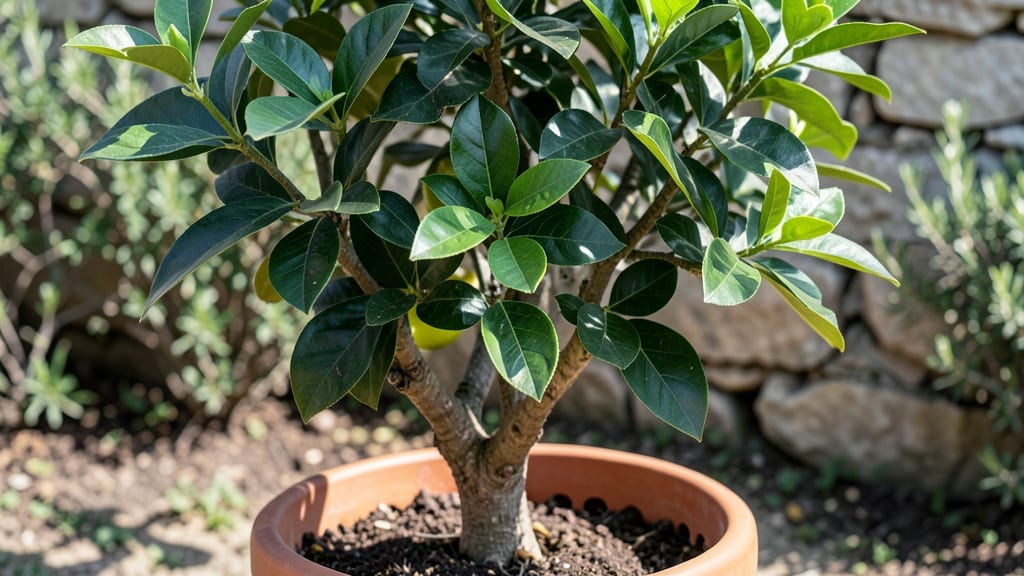
Sitaphal tree leaves hold medicinal magic that’s been used in Ayurveda for centuries—but only if you harvest and preserve them right. 🌿 I’ve spent years perfecting the process after seeing friends waste their leaves due to mold or pests, and the difference is night and day when it comes to potency.
First, identify healthy leaves—look for vibrant green, slightly waxy surfaces without yellowing or holes. Once harvested, dry them in thin layers under shade (not direct sun) to prevent fungal growth.
Proper drying preserves their anti-inflammatory and digestive benefits for up to a year, while skipping this step turns your leaves into useless dust.
📚 In This Guide
- What you need
- Instructions
- Tips and common mistakes
- Wrapping up and next steps
What you need
- ● Fresh Sitaphal leaves: Harvest 20-30 mature, green leaves (preferably from organic trees to avoid pesticides). Aim for leaves that are bright green, slightly waxy, and free from blemishes.
- ○ Sharp pruning shears or scissors: A sterilized, stainless-steel pair to avoid damaging the tree or leaves. Optional: A small ladder if leaves are out of reach.
- ● Clean, dry containers: Glass jars or airtight containers (for drying or short-term storage).
- ● Paper bags or breathable cloth sacks (for air-drying).
- ● Food-grade silicone or parchment paper: For lining containers to prevent moisture buildup.
- ● Labeling supplies: Masking tape and a marker to label leaves with the harvest date and purpose (e.g., "Ayurvedic tea blend").
- ● Dehydrator or food dehydrator: For even, low-heat drying (set to 95°F/35°C). Alternative: A sunny windowsill or well-ventilated indoor space.
- ● Essential oils (e.g., lemongrass or lavender): A few drops to enhance preservation and add aroma to stored leaves.
- ● Glass jars with vacuum seals: For long-term storage (up to 1 year).
- ● Gloves (nitrile or cotton): To protect hands from citrus oils that may cause irritation.
Step-by-Step guide to harvesting and preserving Sitaphal tree leaves
Here's how to collect and store these medicinal leaves properly for Ayurvedic use.
🌿 Step 1: Identify and Select Healthy Leaves
Choose leaves from mature Sitaphal trees (also called custard apple or Sitaphal) that are fully grown and free of blemishes. Look for leaves with a vibrant green color and firm texture—avoid any that appear yellowed, wilted, or spotted. The best time to harvest is in the morning when the leaves are hydrated and contain the highest concentration of beneficial compounds.
Gently pluck the leaves by hand, twisting them at the stem to avoid damaging the tree. I always pick from the middle of the tree to encourage new growth. If you're harvesting for medicinal use, focus on leaves that are about 4-6 inches long—these tend to have the most potent properties.
🌱 Step 2: Clean and Prepare the Leaves
Rinse the leaves under cool, running water to remove dust, dirt, and any insects. Use your fingers to gently shake off excess moisture, then pat them dry with a clean kitchen towel or paper towels. Avoid soaking the leaves in water, as prolonged moisture can degrade their medicinal properties.
Once dry, lay the leaves out on a clean, flat surface. I like to spread them on a baking sheet lined with a paper towel to ensure even drying. This step is crucial for preserving the leaves' natural oils and active compounds, which are essential for Ayurvedic remedies.
💧 Step 3: Dry the Leaves Properly
Place the cleaned leaves in a well-ventilated area with indirect sunlight. A shaded porch or a drying rack works well. If you're drying indoors, use a fan on low speed to circulate air gently—this helps prevent mold and ensures even drying. The leaves are ready when they become crisp and brittle to the touch, which usually takes 3-5 days depending on humidity levels.
Check the leaves daily to ensure they're drying evenly. If you notice any leaves turning brown or moldy, remove them immediately. Properly dried leaves should curl slightly at the edges and feel light when held. Store them in an airtight container, away from direct sunlight, to maintain their potency for up to 6 months.
✂️ Step 4: Store for Long-Term Use
Once fully dried, crush the leaves lightly with a mortar and pestle or your hands to release their aromatic oils. This step enhances their medicinal properties and makes them easier to incorporate into Ayurvedic preparations. Store the crushed leaves in a glass jar with a tight-sealing lid, keeping them in a cool, dark place.
For maximum freshness, label the jar with the date of harvest. I like to use small portions for remedies to ensure they retain their potency. If you're using the leaves for teas or powders, grind them just before use for the best flavor and effectiveness. This method ensures you always have a ready supply of Sitaphal leaves for your Ayurvedic needs.
Tips & tricks for perfect Sitaphal tree leaf preservation
Here's what nobody tells you about getting the most out of your Sitaphal harvest.
Selection is Everything: In Step 1, don't just grab any leaves—focus on the middle leaves of the tree, as they're typically larger and more potent. I've found that leaves with a slight waxy coating (like the ones from the middle canopy) hold their medicinal properties longer during drying. Avoid leaves with holes or brown edges, even if they look mostly green.
Drying Efficiency: For Step 3, if you're drying indoors, create a mini greenhouse effect by placing a baking sheet under your drying rack. This helps circulate warm, moist air upward, speeding up the drying process by about 24 hours. Just make sure to check daily—humidity can vary dramatically between rooms, especially in tropical climates where Sitaphal trees grow.
Storage Wisdom: When storing your dried leaves in Step 4, add a small silica gel packet to your glass jar. This prevents moisture absorption and extends shelf life beyond the 6-month mark. I've kept leaves fresh for up to 12 months using this trick, though potency does gradually diminish after 9 months.
Quality Check: Before using your preserved leaves, do this quick test: crush a small pinch between your fingers. If it releases a fresh, citrusy aroma with a hint of sweetness, your leaves are still potent. If it smells flat or musty, it's time to harvest fresh. This simple sniff test saves you from using compromised leaves in remedies.
Pro Tips for Sitaphal Tree Leaves
- Here's what nobody tells you about getting the most out of your Sitaphal harvest.
- Selection is Everything: In Step 1, don't just grab any leaves—focus on the middle leaves of the tree, as they're typically larger and more potent.
- Drying Efficiency: For Step 3, if you're drying indoors, create a mini greenhouse effect by placing a baking sheet under your drying rack.
Frequently asked questions
Got questions about harvesting and preserving sitaphal tree leaves? You’re not alone! Here are some of the most common queries—and their answers—to help you get started with confidence.
When is the best time to harvest sitaphal leaves?
The ideal time to harvest sitaphal (Cycas circinalis) leaves is during the dry season (winter to early spring), when the leaves are fully mature but haven’t started browning. Avoid harvesting after heavy rain, as moisture can accelerate decay during drying. Early morning harvests yield the freshest leaves for maximum potency.
How long does it take to dry sitaphal leaves properly?
Proper drying takes 7–14 days, depending on climate and airflow. Hang leaves in a well-ventilated, shaded area (or use a dehydrator at 95°F/35°C) until they’re crisp and brittle. Check daily—over-drying can reduce medicinal properties. Store in airtight containers once fully dry to preserve freshness for up to 1 year.
Can I use fresh sitaphal leaves instead of dried ones?
While fresh leaves work for some remedies (like poultices), they’re not ideal for long-term storage and lose potency quickly. Drying concentrates beneficial compounds (like alkaloids and flavonoids), making them safer and more effective for Ayurvedic teas, powders, or tinctures. If you must use fresh leaves, process them within 24–48 hours.
Are sitaphal leaves toxic if not prepared correctly?
Yes! Raw or improperly prepared sitaphal leaves contain cycasin, a neurotoxin linked to liver damage. Always dry or cook them thoroughly (e.g., boiling for 10+ minutes) before use. Consult an Ayurvedic practitioner for dosage guidance, especially if pregnant, nursing, or on medication. When in doubt, opt for commercially processed sitaphal products.
What can I do if my dried leaves develop mold?
Mold means excess moisture or poor storage. Toss contaminated leaves immediately—moldy sitaphal can harbor harmful bacteria. To prevent this:
- Store in airtight glass jars with silica gel packets.
- Keep in a cool, dark place (below 70°F/21°C).
- Recheck leaves every 3–6 months for freshness.
Still unsure? Drop your question in the comments—we’re happy to help!
Wrapping up and next steps
Harvesting and preserving sitaphal tree leaves unlocks a treasure trove of Ayurvedic benefits—from soothing skin irritations to boosting immunity. 🌿 Whether you're a seasoned herbalist or just starting your journey, these leaves are a versatile addition to your natural remedy toolkit.
The key lies in mindful harvesting and proper preservation to retain their potency.
Ready to dive deeper? Start small—experiment with teas, poultices, or infused oils to explore their magic. Share your discoveries with fellow wellness enthusiasts or even document your process in a journal. Every leaf holds potential; your next remedy could be just a harvest away! 🌱✨