
Trees
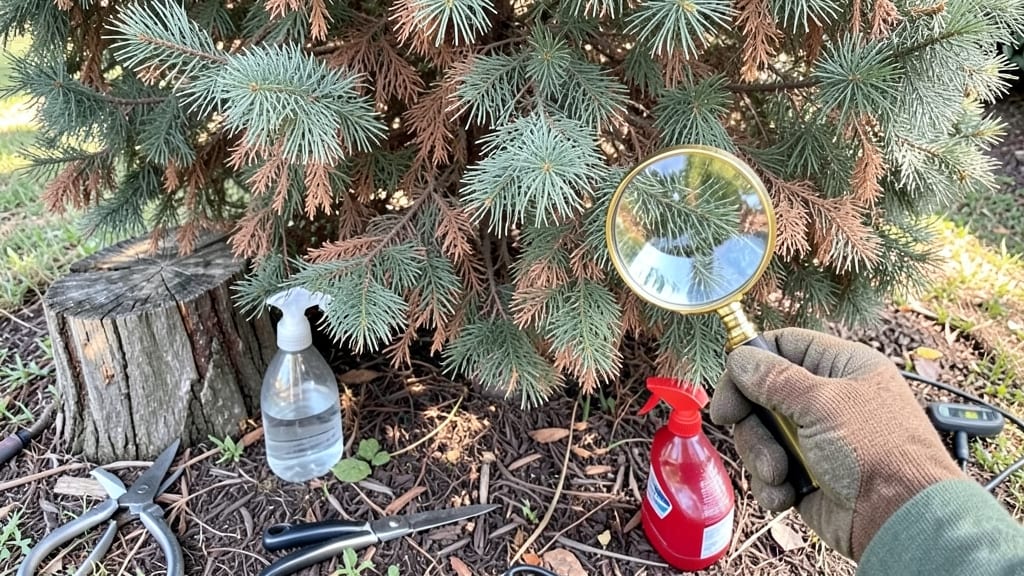
Your cedar tree’s leaves turning brown aren’t just cosmetic—they’re a cry for help. 🌲 Whether it’s fungal blight, scorching sun, or hidden pests, the fix starts with spotting the right pattern of browning.
I’ve seen cedars go from lush to lifeless in a season, but the good news? Most issues are reversible with the right approach.
Start by checking the pattern: Are leaves browning in patches or all over? Fungal diseases like cedar blight create dark, irregular spots, while drought stress turns edges crispy.
Pest damage often looks like tiny holes or webbing. Once you identify the issue, you can act fast—pruning diseased branches, adjusting watering, or applying targeted treatments.
The key is acting before the problem spreads. A simple soil test or mulch check might reveal hidden nutrient deficiencies, while proper spacing prevents future sunburn. With the right steps, your cedar can bounce back to that rich, healthy green in just a few weeks.
This isn’t just about saving leaves—it’s about keeping your tree strong for years. Let’s get to the root of the problem and bring your cedar back to life.
Root Causes Of Discoloration
When your cedar tree’s leaves start turning brown, it’s rarely a random event—it’s usually a sign that something’s off in its environment or health. Understanding the specific triggers behind the browning helps you take targeted action before the problem worsens.
Below, we break down the most common culprits, from environmental stress to hidden pests, with clear explanations of why they cause browning and how to spot them early.
Cedar trees are hardy, but extreme or prolonged environmental conditions can push them past their limits. When leaves turn brown due to stress, the damage is often irreversible—so prevention is key.
🔥 Heat and Drought Damage
Cedars are drought-tolerant, but intense heat combined with dry soil can cause rapid browning. Here’s how it happens:
- Water loss exceeds intake: When roots can’t absorb enough moisture to replace what’s lost through transpiration, leaves wilting and dry out. This triggers necrosis (cell death), turning leaves brown or crispy at the edges.
- Sun scorch: Direct afternoon sun on water-stressed leaves creates oxidative damage from excess UV exposure. Look for brown patches on upper leaves facing the sun.
- Soil moisture imbalance: Sandy or rocky soils drain too quickly, leaving roots thirsty. A simple soil moisture test (dig 2–3 inches deep—if dry, it’s time to water).
💡 Pro Tip: Mulch around the base (2–4 inches deep) to retain moisture and shield roots from temperature swings. Water deeply once a week during droughts, not just a quick sprinkle.
❄️ Cold and Winter Burn
Even cold-hardy cedars can suffer when winter conditions are too harsh or prolonged. The science behind winter browning:
- Freeze-thaw cycles: Water in leaf cells expands when frozen, rupturing cell walls. This causes browning along leaf edges or in patches.
- Desiccating winds: Dry winter air + wind = rapid moisture loss. Needles turn brown and brittle, especially on exposed branches.
- Late-season frost: New growth in spring is vulnerable. Frost can kill emerging needles before they harden, leaving brown "candles" on branches.
🌡️ Actionable Fix: Protect young trees with burlap wraps or anti-desiccant sprays (like Wilt-Pruf) in late fall. Avoid pruning in late summer—it stimulates tender new growth that’s frost-sensitive.
Not all brown leaves mean your tree is thirsty—sometimes, tiny invaders are to blame. Pests and pathogens feed on cedar trees, disrupting nutrient flow and causing discoloration.
🐛 Cedar Apple Rust and Other Fungal Infections
Fungi like Gymnosporangium juniperi-virginianae (cedar-apple rust) thrive in moist conditions and can turn cedar leaves brown in distinctive patterns:
- Orange pustules: Rust fungi produce bright orange spores on the underside of needles, which later turn brown and crusty.
- Needle drop: Infected needles yellow first, then brown and fall prematurely, weakening the tree.
- Systemic stress: Fungi block stomata (pores), reducing the tree’s ability to photosynthesize, leading to generalized browning.
🔥 Prevention: Remove infected branches (sterilize pruners with 70% alcohol) and fall debris to break the fungal cycle. Apply copper fungicide in early spring if rust is recurrent.
🐜 Bagworms and Spider Mites
These pests skeletonize leaves (eat the soft tissue, leaving veins) or suck sap, causing browning through direct damage or toxin buildup.
- Bagworms: Their silk bags smother branches, blocking sunlight. Frass (waste) falls like tiny brown specks, and defoliated areas turn brown and brittle.
- Spider mites: Tiny yellow/red mites pierce cells to feed, causing stippling (tiny brown dots) that merge into larger brown patches.
🎯 Treatment: For bagworms, handpick bags in fall/winter (they’re dormant). Use Bt (Bacillus thuringiensis) spray for caterpillars. For mites, blast off with water or apply neem oil (mix 2 tbsp/gal water).
Brown cedar leaves can also signal hidden nutrient imbalances. Unlike broadleaf trees, cedars show deficiencies in subtle but telltale patterns.
💀 Nitrogen Deficiency (Most Common)
Nitrogen is essential for chlorophyll production. Without enough, leaves:
- Turn pale yellow-green first, then progress to brown and crispy (especially on older needles).
- Grow stunted and sparse, with short internodes (spaces between branches).
📊 Fix It: Conduct a soil test (pH 6.0–7.0 is ideal for cedars). If nitrogen is low (<5 ppm), apply slow-release organic nitrogen like alfalfa meal (1 lb per 100 sq ft) in early spring.
🪨 Iron or Magnesium Chlorosis
Poor soil drainage or high pH (alkaline soil) can lock out iron and magnesium, causing:
- Interveinal browning: Leaves turn brown between veins while veins stay green (classic chlorosis).
- Premature needle drop: Affected needles brown and fall faster than usual.
✨ Solution: For iron deficiency, use chelated iron (like Ironite) in early spring. For magnesium, apply Epsom salt (1 tbsp/gal water) as a foliar spray. Lower soil pH with sulfur if your test shows alkalinity >7.0.
🚨 Key Takeaway: Brown cedar leaves are a warning sign, not a death sentence. The faster you identify the cause—whether it’s thirst, frost, fungi, or famine—the better your tree’s chances of bouncing back. Next, we’ll cover how to diagnose which culprit is at play in your specific case.
Revive Your Cedar Tree Now
When your cedar tree’s leaves start turning brown, it’s a sign your tree is asking for help—don’t ignore it! The good news? Most issues have simple fixes if you act quickly.
Below, we’ll map out practical, step-by-step solutions for the top causes of browning cedar leaves, plus prevention tips to keep your tree thriving. Let’s get your cedar back to its lush, green self!
If brown spots, yellowing, or tiny orange pustules appear on needles, fungi are likely the culprit. These pests thrive in damp, shady conditions and can spread fast.
How to Treat It: 🍳 Prune Infected Branches
- Use sterilized pruning shears (wipe with rubbing alcohol between cuts) to remove all brown or spotted branches, even if they’re small.
- Cut 6–12 inches below the affected area to ensure you get the whole infected section.
- Bag and dispose of clippings in the trash (not compost)—don’t leave them near the tree.
👨🍳 Apply Fungicide
- Choose a copper-based fungicide (like Copper Soap or Fixed Copper Fungicide) or a neem oil solution (1 tbsp neem oil + 1 quart water + a drop of dish soap).
- Spray thoroughly on both sides of the needles, focusing on new growth. Reapply every 7–14 days until new growth appears.
- Best time to spray: Early morning or late evening to avoid burning leaves in sunlight.
🌡️ Improve Airflow & Light
- Thin out dense branches to allow sunlight and air to circulate.
- Avoid overwatering—cedars hate soggy roots. Water only when the top 2 inches of soil are dry.
✨ Prevention Tips:
- Space trees properly (3–5 feet apart) to reduce humidity buildup.
- Clean up fallen needles around the base to eliminate fungal spores.
- Water at the base (not overhead) to keep foliage dry.
Cedars are drought-tolerant, but prolonged dry spells or shallow roots can cause needles to turn brown and crispy, especially on the tips.
How to Treat It: 💧 Deep Watering Trick
- Water slowly and deeply (1–2 inches per week) rather than frequent shallow watering.
- Use a soaker hose or drip irrigation to deliver water directly to the root zone.
- Best time to water: Early morning (6–9 AM) to reduce evaporation.
🌱 Mulch Like a Pro
- Apply 2–3 inches of mulch (wood chips or pine straw) around the base of the tree, keeping it 6 inches away from the trunk.
- Mulch retains moisture and regulates soil temperature—critical for root health.
🔥 Check for Root Bound Issues
- If your cedar is in a small container or tight soil, its roots may be struggling. Repot or loosen compacted soil gently with a garden fork.
🎯 Prevention Tips:
- Group cedars with other drought-tolerant plants to reduce water competition.
- Avoid over-mulching—too much can suffocate roots.
- Monitor soil moisture with a moisture meter or the "finger test."
Pests like bagworms (which create little brown bags on branches) or spider mites (causing stippled, brown needles) can weaken cedars quickly.
How to Treat It: 🔪 Manual Removal for Bagworms
- Pick off bags by hand (wear gloves!) and drop them into soapy water to kill larvae.
- Check all branches, including the undersides—bagworms love to hide!
🍳 Spray for Spider Mites & Aphids
- Neem oil spray (1 tbsp neem oil + 1 quart water + 1 tsp dish soap) works well.
- For severe infestations, use horticultural oil or insecticidal soap.
- Spray every 5–7 days until pests are gone.
🌿 Encourage Natural Predators
- Ladybugs, lacewings, and birds eat spider mites and aphids. Plant nearby flowers (like marigolds or dill) to attract them.
🎯 Prevention Tips:
- Inspect trees weekly during peak pest season (spring–fall).
- Remove fallen bags (from bagworms) from the ground to break their life cycle.
- Avoid over-fertilizing—soft new growth attracts pests.
If your cedar is near a salted driveway, urban pollution, or intense heat, its leaves may turn brown and brittle.
How to Treat It: 💧 Flush Salt Buildup
- Water the root zone deeply (1–2 inches) to leach out salt.
- Apply gypsum (calcium sulfate) around the base to neutralize salt damage.
🌿 Shield from Pollution
- If near a road or industrial area, consider wrapping the trunk with burlap (temporarily) to reduce exposure.
- Mist leaves occasionally with water to wash off pollutants.
🌞 Provide Shade Relief
- If your cedar is in a full-sun, scorching spot, prune nearby trees to filter harsh afternoon rays.
- Mulch heavily (3+ inches) to keep roots cool.
🎯 Prevention Tips:
- Plant cedars away from sidewalks treated with de-icing salt.
- Avoid planting near smoky or polluted areas if possible.
- Water deeply during heatwaves to help the tree cope.
Brown, stunted needles can signal nutrient deficiencies, especially iron, nitrogen, or manganese.
How to Treat It: 📊 Test Your Soil First
- Use a DIY soil test kit (available at garden centers) to check pH and nutrient levels.
- Cedars prefer slightly acidic soil (pH 5.0–7.0).
🌱 Apply the Right Fertilizer
- For nitrogen deficiency (yellowing + browning): Use a balanced fertilizer (like 10-10-10) in early spring.
- For iron/manganese deficiency (brown spots): Sprinkle chelated iron or Epsom salt (1 tbsp per gallon of water) around the base.
- Avoid over-fertilizing—cedars are low-maintenance and don’t need much.
🎯 Prevention Tips:
- Top-dress with compost every 2–3 years to boost organic matter.
- Avoid synthetic fertilizers—they can burn roots. Stick to slow-release options.
- Water before fertilizing to help nutrients absorb.
Final Pro Tip: 💡 Act fast! The sooner you address browning leaves, the better your cedar’s chances of recovery. Most issues improve within 4–8 weeks with consistent care. Keep an eye on your tree, and don’t hesitate to consult a local arborist if problems persist.
Your cedar will thank you with vibrant green needles for years to come!
Frequently asked questions
Why are my cedar tree's needles turning brown only on the tips?
This is often a sign of drought stress or salt buildup from nearby roads. Check the soil moisture by digging 2-3 inches deep—if dry, water deeply once a week. For salt damage, flush the root zone with water and apply gypsum to neutralize the soil.
What do orange spots on my cedar leaves mean?
Those bright orange pustules are a classic sign of cedar-apple rust, a fungal disease. Remove infected branches immediately (sterilize your tools!) and apply a copper fungicide every 2 weeks until new growth appears. Clean up fallen needles to prevent reinfection.
Can I save my cedar if most of its needles are already brown?
Yes, but act fast! First, prune out all dead branches to reduce stress. Then focus on root health—water deeply, add 2-3 inches of mulch, and test your soil for nutrient deficiencies. If the tree still has green growth, it can recover with proper care.
How often should I water my cedar tree to prevent browning?
Cedars are drought-tolerant but need 1-2 inches of water per week during dry spells. Water deeply in the morning (6-9 AM) using a soaker hose to avoid wetting the needles. Check soil moisture by sticking your finger 2 inches deep—if dry, it's time to water.