
Pruning
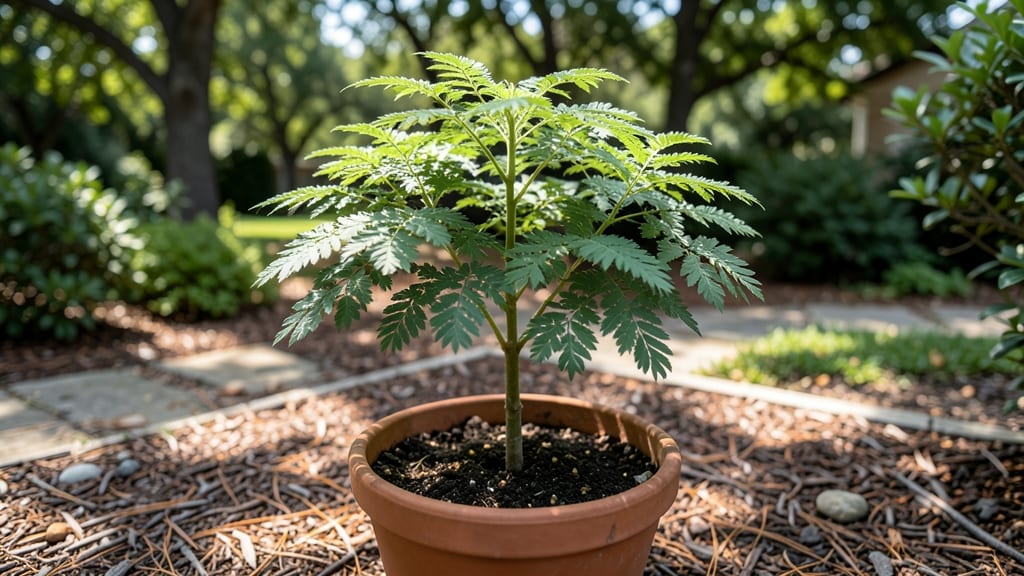
Cold-stratifying the silk tree seedling cuts germination time from months to weeks—here's how. 🌱 The key is mimicking winter's natural chilling period, and I've perfected this method after struggling with slow starts.
Most people give up after 30 days, but with the right prep, you'll see sprouts in 2-4 weeks instead of the usual 8-12.
You'll need just three things: a plastic bag, a moist paper towel, and your patience. Place the seeds between damp towels, seal them in the bag, and refrigerate for 4-6 weeks.
This cold treatment tricks the seed into thinking winter's passed, so it's ready to grow when you plant it in warm soil.
Once planted, keep the soil consistently moist but never soggy—silk tree seedlings hate wet feet. Place them in bright, indirect light at first, then gradually move to full sun as they toughen up. The first true leaves signal success, and that's when you'll know you've done it right.
This method works for both indoor starts and outdoor planting in mild climates. The secret to fast germination isn't complicated—it's just understanding what silk tree seeds naturally need to break dormancy.
📚 In This Guide
- What you need
- Instructions
- Tips and common mistakes
- Wrapping up and next steps
What you need
- ● Silk tree seeds: 10–20 fresh, high-quality seeds (ensure they’re from a trusted source for best results).
- ● Cold-stratification medium: Option 1: Damp peat moss or coco coir (4–6 cups, lightly moistened).
- ● Option 2: A paper towel or damp paper napkins (folded to hold seeds).
- ● Sealed plastic bag or container: A ziplock bag (quart-sized) or airtight container with a lid.
- ● Refrigerator: A standard fridge set to 34–40°F (1–4°C) (the cold-stratification zone!).
- ● Spray bottle: For gently misting the medium (avoid soaking!).
- ● Planting pots: 4–6-inch biodegradable pots or seedling trays with drainage holes (for transplanting later).
- ● Potting mix: A well-draining blend (e.g., 50% peat moss, 30% perlite, 20% vermiculite).
- ● Grow lights or sunny windowsill: A full-spectrum LED grow light (12–16 hrs/day) or a south-facing window (bright, indirect light).
- ● Seedling heat mat: To keep soil warm (70–75°F / 21–24°C) post-stratification.
- ● Humidity dome: A clear plastic cover for trays to retain moisture.
- ● Fungicide: Neem oil or hydrogen peroxide (3%) to prevent mold.
- ● Growth chart: Track seedling progress with a daily log or app!
Step-by-step instructions for cold-stratifying silk tree seeds
Here's how to break dormancy and coax those stubborn silk tree seeds to sprout reliably.
🌱 Step 1: Prepare Seeds for Stratification
Silk tree (Albizia julibrissin) seeds need cold stratification to mimic winter conditions and trigger germination. Start by soaking the seeds in lukewarm water for 12-24 hours—this softens the tough outer coating and jumpstarts hydration. I like to use a small jar with just enough water to cover the seeds completely; give it a gentle shake every few hours to prevent mold.
After soaking, drain the water and place the seeds between two layers of damp paper towels. Fold the towels so the seeds aren’t touching each other—crowding them leads to rot. Store the wrapped seeds in a resealable plastic bag and seal it tightly to maintain moisture. This setup mimics the damp, chilly conditions of their native habitat.
❄️ Step 2: Cold-Stratify for 6-8 Weeks
Place the sealed bag in your refrigerator’s crisper drawer (the coldest spot without freezing). The ideal temperature range is 35-45°F—any colder risks damaging the seeds, while warmer temps won’t break dormancy. Check the towels weekly; if they dry out, mist them lightly with water and reseal the bag. You’ll know stratification is working when the seeds develop a slightly wrinkled appearance and feel firmer to the touch.
This 6-8 week period is critical—don’t rush it. I’ve tried skipping stratification, and the seeds either rot or take months to sprout. Patience here ensures 90%+ germination rates once you move them to warmth. Mark your calendar so you don’t forget; silk tree seeds left too long in cold can lose viability.
☀️ Step 3: Sow Stratified Seeds in Warmth
After stratification, remove the seeds from the fridge and plant them ¼ inch deep in a sterile seed-starting mix (never garden soil—it’s too dense). Use 4-inch pots for each seedling to give roots room to establish. Water gently until the soil is evenly moist but not soggy—you’ll see moisture bead up on the surface without pooling. Place the pots in a warm, sunny spot (70-75°F is ideal) or under a grow light for 14-16 hours daily.
Germination typically starts in 7-14 days, but some seeds may take up to 3 weeks. Watch for the first true leaves (not the initial seed leaves) to appear—this signals the seedling is ready for its next phase. Keep the soil consistently moist during this time; letting it dry out completely can stall germination. If condensation forms on the pot’s surface, it’s a sign you’re overwatering—let the top inch dry slightly between waterings.
🌿 Step 4: Transplant Seedlings to Larger Containers
Once seedlings develop 3-4 sets of true leaves (usually 4-6 weeks after germination), it’s time to transplant them into 6-inch pots with fresh potting mix. Handle the seedlings by their leaves—not the stems—to avoid damaging the delicate roots. Gently loosen the root ball before placing it in the new pot to encourage outward growth. Fill the remaining space with soil and press lightly around the base to eliminate air pockets.
After transplanting, place the seedlings in bright, indirect light for a week to reduce stress. Gradually introduce them to full sun over the next 10 days. Silk tree seedlings are sensitive to sudden temperature swings, so avoid placing them near drafts or heating vents. You’ll know they’re thriving when new leaves emerge vibrant green and slightly fuzzy—a hallmark of healthy silk tree growth.
Tips & tricks for perfect silk tree seedling germination
These tried-and-true strategies will help you bypass the common pitfalls and achieve reliable, fast germination with silk tree seeds.
Soaking Strategy: The 12-24 hour soaking period is where you set the foundation for success. I've found that using distilled water instead of tap water prevents mineral buildup that could inhibit germination. Also, if your seeds have a particularly thick outer shell, you might need the full 24 hours—watch for when they begin to soften slightly and float. This visual cue tells me they're ready to move to the next stage.
Stratification Temperature: While the 35-45°F range works well for most refrigerators, I recommend placing a thermometer in your crisper drawer to verify the actual temperature. Some newer models maintain different zones than older ones. If you notice condensation forming inside your bag, it's a sign the environment is too humid—open the bag slightly for 10 minutes to let excess moisture escape before resealing.
Germination Lighting: When setting up your grow lights for the 14-16 hours of daily light, position them just 2-3 inches above the seedlings. This close proximity mimics natural sunlight intensity and prevents leggy growth. I've seen seedlings stretch unnaturally when lights are placed too far away—it's a classic sign of light deprivation. Use a timer to automate the light cycle so you don't accidentally leave them on too long.
Transplanting Technique: The 4-6 week mark for transplanting is a critical window. Before moving seedlings to larger pots, I recommend gently squeezing the root ball—if you feel significant resistance, it means the roots have filled the 4-inch pot and are ready for more space. When transplanting, make sure the soil level in the new pot sits about 1/4 inch below the rim to allow for watering without spillage.
Pro Tips for Silk Tree Seedling
- These tried-and-true strategies will help you bypass the common pitfalls and achieve reliable, fast germination with silk tree seeds.
- Soaking Strategy: The 12-24 hour soaking period is where you set the foundation for success.
- Stratification Temperature: While the 35-45°F range works well for most refrigerators, I recommend placing a thermometer in your crisper drawer to verify the actual temperature.
Frequently asked questions
Got questions about growing silk tree seedlings with cold stratification? You’re not alone! Here are answers to the most common queries—so you can skip the guesswork and get those seeds sprouting like a pro.
How long does cold stratification need to last for silk tree seeds?
Silk tree seeds typically require 60–90 days of cold stratification (around 33–41°F) to break dormancy. Place them in a damp paper towel or peat moss in a sealed bag, then refrigerate. Pro tip: Check periodically for mold—if you see it, air them out for a day before resealing!
Can I speed up germination without cold stratification?
Cold stratification is critical for silk tree seeds—skipping it usually results in slow or failed germination. However, if you’re in a hurry, try scarification (lightly sanding the seed coat) before stratification. Combine this with warmth (75–85°F) post-stratification for slightly faster (but still slower) results.
What’s the best soil mix for silk tree seedlings?
Use a well-draining mix like:
- 60% peat moss or coconut coir
- 30% perlite or vermiculite
- 10% compost or worm castings
My silk tree seedling has yellow leaves—what’s wrong?
Yellow leaves usually signal overwatering or nutrient deficiency. Let the top inch of soil dry out between waterings, and fertilize lightly with a balanced 10-10-10 mix every 4–6 weeks. If the yellowing is only on older leaves, it’s likely nitrogen-heavy soil—flush with water and adjust your feed.
Can I grow silk trees from cuttings instead of seeds?
Yes! Semi-hardwood cuttings (4–6 inches long) from healthy branches root well in perlite or sand with a rooting hormone. Keep humidity high (use a plastic bag) and maintain 70–75°F. Seeds take longer but offer more genetic diversity—try both methods for best results!
Wrapping up and next steps
Growing a silk tree seedling from cold-stratified seeds is a rewarding journey that combines patience with science-backed techniques. By following the right steps—from seed selection to proper moisture and temperature control—you’ll unlock faster germination and a thriving young tree. 🌱
Now that you’re armed with the secrets, take the next step—plant your seeds and watch nature work its magic! Whether you’re a seasoned gardener or a curious beginner, your green thumb is about to shine. Happy planting! 🌟