
Trees
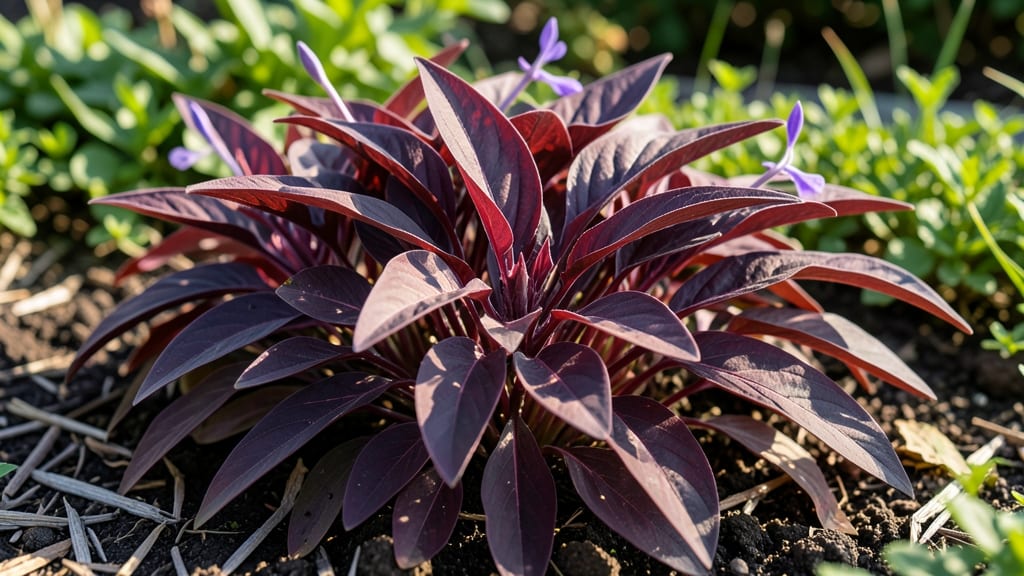
Those deep purple, heart-shaped tree leaves aren’t just striking—they’re the signature of the Purple Heart plant (Coleus amboinicus), and they thrive with the right care. 💜 I’ve grown this plant for years, and its bold foliage never fails to draw compliments, even in shady corners where other plants struggle.
The secret lies in balancing sunlight, water, and soil just right—no fancy tricks, just consistent attention. This plant loves bright, indirect light but can tolerate partial shade, making it perfect for patios or under trees.
Water when the top inch of soil feels dry, and always use well-draining soil to prevent yellowing leaves. A light pruning every few months keeps it bushy and encourages fresh growth—my plants stay lush all year with minimal effort.
You’ll end up with a vibrant, low-maintenance plant that adds color to any space. The leaves stay rich purple even in winter, and they’re non-toxic, making them pet-friendly too. Whether you’re growing it in pots or the ground, it’s a foolproof way to add drama to your garden.
Common issues like leaf drop or browning edges usually come from overwatering or poor drainage. A quick fix is adjusting your watering schedule and ensuring pots have drainage holes. With the right care, your Purple Heart will reward you with those stunning leaves season after season.
Understanding Leaf Color Shifts
The vibrant purple hues in your purple heart tree (Lagerstroemia indica) leaves aren’t just a seasonal spectacle—they’re a fascinating interplay of biology, environment, and plant chemistry. While the tree’s foliage naturally transitions through shades of green, purple, and even red, certain conditions can intensify or alter these colors.
Here’s why your purple heart tree’s leaves might be turning shades of purple, and what’s driving the change.
The most straightforward reason for purple leaves is genetics. Purple heart trees (Lagerstroemia species) are bred or naturally selected for their striking foliage colors, thanks to pigments called anthocyanins. These water-soluble compounds are what give blueberries, red cabbage, and even some grapes their deep hues.
💡 Pro Tip: If your tree’s leaves are consistently purple from spring to fall, it’s likely a cultivar (a cultivated variety) designed for this trait. Some popular purple-leaved varieties include:
- Lagerstroemia ‘Natchez’ – Creamy white flowers with purple-tinged new growth
- Lagerstroemia ‘Tuscarora’ – Deep purple leaves with pink flowers
- Lagerstroemia ‘Fantasy’ – Mixed purple and green foliage
These trees produce anthocyanins year-round, but environmental factors can amplify the color.
Sunlight—especially intense UV radiation—triggers anthocyanin production in many plants, including purple heart trees. When leaves are exposed to full sun, they synthesize more of these pigments as a natural sunscreen to protect their cells from damage.
🔍 Science Breakdown:
- UV Stress Response: High sunlight levels increase oxidative stress in leaf cells. Anthocyanins act as antioxidants, neutralizing harmful free radicals.
- Morning vs. Afternoon Sun: Leaves often appear darker purple in the late afternoon because UV exposure accumulates throughout the day.
- Shade vs. Sun: Trees in partial shade may have lighter or green-tinged leaves because anthocyanin production is reduced.
💡 Actionable Tip: If your tree’s leaves are less purple than expected, try pruning nearby structures (like tall buildings or dense shrubs) to increase sunlight exposure. However, avoid scorching—purple heart trees thrive in 6+ hours of direct sun daily but can suffer leaf burn in extreme heat.
Purple heart trees are drought-tolerant, but their leaves can turn deep purple or even reddish when they experience water stress. This isn’t just a random color shift—it’s a survival mechanism.
📊 How It Works:
Condition
Leaf Response
Why It Happens
Underwatering
Leaves darken to purple/red
Anthocyanins help repel herbivores (animals avoid eating stressed plants) and protect chlorophyll from degradation.
Overwatering
Leaves may turn yellow or brown (not purple)
Root rot disrupts nutrient uptake, leading to chlorosis (loss of green pigment). Purple hues won’t appear in this case.
Poor Drainage
Purple patches on lower leaves
Compacted or clay soil causes root suffocation, triggering stress signals that boost anthocyanins.
💡 Fix It: Purple heart trees prefer well-draining soil. If your tree is thirsty:
- Water deeply but infrequently (1–2 inches per week, more in extreme heat).
- Mulch around the base to retain moisture and regulate soil temperature.
- Avoid soggy soil—amend clay soil with compost or sand to improve drainage.
Purple heart trees are adaptable, but temperature extremes can cause dramatic leaf color changes. Both cold snaps and heat waves influence anthocyanin production, but in different ways.
❄️ Cold Weather (<40°F/4°C):
- Leaves may turn deep purple or burgundy as a protective response to frost damage.
- Anthocyanins act as a cryoprotectant, reducing cell damage from ice formation.
- New growth in spring often emerges purple-red before turning green.
🔥 Heat Stress (>90°F/32°C):
- Intense heat can concentrate anthocyanins, making leaves appear darker purple.
- However, prolonged drought + heat may lead to leaf scorch (brown edges), which is not reversible.
- Young leaves are more sensitive—watch for purple streaks in new foliage during heatwaves.
💡 Adaptation Tips:
- In cold climates, plant in sheltered spots (near walls or fences) to reduce frost damage.
- In hot climates, provide afternoon shade (e.g., with a lattice or nearby deciduous tree) to prevent heat stress.
- Mulch heavily in winter to insulate roots and in summer to cool soil.
While purple heart tree leaves naturally shift colors, understanding these triggers helps you enhance their vibrancy or troubleshoot unexpected changes. Whether it’s sunlight, water, or temperature, your tree’s foliage is essentially communicating its needs—listen closely!
Revive Your Purple Heart Tree
If your purple heart tree’s leaves are struggling—whether they’re yellowing, wilting, or losing their vibrant hue—don’t panic! With the right care, you can restore their lush, deep-purple glory. Below are practical solutions tailored to common issues, plus prevention tips to keep your tree thriving.
---
Cause: Overwatering, nutrient deficiency, or poor drainage. Solution: - Adjust watering habits 💧: Purple heart trees (Erythrina spp.) prefer moderate moisture but hate soggy roots. Water deeply once a week (or when the top 2 inches of soil are dry) and ensure pots or beds have drainage holes. - Fertilize for vibrancy 🌱: Use a balanced, slow-release fertilizer (10-10-10 or 20-20-20) in early spring and summer. Avoid overdoing nitrogen—it can burn roots. - Check soil pH 📊: Aim for slightly acidic to neutral (6.0–7.0). Test your soil and amend with lime (to raise pH) or sulfur (to lower it) if needed.
Prevention Tip: 💡 Mulch around the base (2–3 inches deep) to retain moisture and regulate soil temperature.
---
Cause: Underwatering, sunburn, or fungal issues. Solution: - Water consistently 💦: If leaves are dry and brittle, increase watering frequency slightly (but avoid waterlogging). Purple heart trees tolerate drought but look best with steady moisture. - Provide afternoon shade ☀️: If leaves are scorched, move potted trees to a slightly shadier spot (especially in intense heat). Mature trees in ground beds may need light afternoon shade in harsh climates. - Treat fungal spots 🍄: If brown patches resemble powdery mildew or leaf spot, prune affected leaves and spray with neem oil or copper fungicide. Ensure good airflow by thinning dense foliage.
Prevention Tip: ✨ Water in the morning to reduce fungal growth from prolonged leaf wetness.
---
Cause: Shock from transplanting, pests, or extreme temperature swings. Solution: - Ease into transplanting 🌱: If you recently moved your tree, water deeply and avoid heavy pruning for 4–6 weeks. Use root stimulator when replanting to reduce shock. - Inspect for pests 🐜: Look for aphids, spider mites, or scale on undersides of leaves. Treat with insecticidal soap or a hose spray (strong stream) to dislodge pests. - Protect from cold snaps ❄️: Purple heart trees are tender perennials (USDA zones 8–11). In cooler climates, mulch heavily and cover young trees with frost cloth if temps dip below 30°F.
Prevention Tip: 🔥 Hardening off potted trees before winter by gradually reducing water and moving them to a sheltered spot.
---
Cause: Lack of sunlight, poor soil, or root-bound pots. Solution: - Maximize sunlight ☀️: Purple heart trees crave full sun (6+ hours daily). If indoors or in shade, relocate to a sunnier spot or supplement with grow lights. - Repot if root-bound 🏺: If roots circle the pot, upgrade to a container 2–3 inches larger with well-draining cactus/succulent mix. Prune 1/3 of roots before repotting. - Boost nutrients 💪: Switch to a phosphorus-rich fertilizer (like 5-10-10) to encourage root and foliage growth. Side-dress with compost in spring.
Prevention Tip: 🎯 Rotate potted trees monthly to ensure even sunlight exposure.
--- Final Pro Tip: 🌿 Prune strategically! Trim dead or crossing branches in late winter/early spring to improve airflow and shape. Avoid heavy pruning—purple heart trees bloom on new growth.
With these fixes, your purple heart tree’s leaves will bounce back to their stunning purple hue in no time! 🌈🌿
Frequently asked questions
Are purple heart tree leaves toxic to pets?
No, purple heart tree leaves (Coleus amboinicus) are non-toxic to both cats and dogs. While they won’t cause severe poisoning, it’s still best to discourage pets from chewing them, as excessive ingestion might lead to mild stomach upset. The plant’s safety makes it a great pet-friendly ornamental choice!
Why are my purple heart tree leaves turning green?
Green leaves on your purple heart tree usually mean it’s getting too much shade. These plants thrive in bright, indirect light—move it closer to a window or provide artificial grow lights if indoors. Too little sunlight reduces anthocyanin production, fading those rich purple hues.
Can I propagate purple heart tree leaves in water?
Yes! Simply take a healthy stem cutting with 2-3 leaf nodes, remove the lower leaves, and place it in clean water. Change the water every 3-5 days and roots should appear in 2-4 weeks. Once rooted, transplant to well-draining soil and keep in bright, indirect light.
How do I keep purple heart tree leaves vibrant all year?
Consistent care is key: provide 6+ hours of bright light daily, water when the top inch of soil is dry, and use a balanced fertilizer every 2 months during growing season. Prune leggy stems regularly to encourage bushier growth and prevent color fading.
Are purple heart tree leaves good for anything besides decoration?
While not edible, they’re perfect for natural dyes! The purple pigments can create beautiful shades when boiled with water. You can also use dried leaves in arrangements or potpourri for their striking color. Just avoid using them in culinary applications.