
Plants
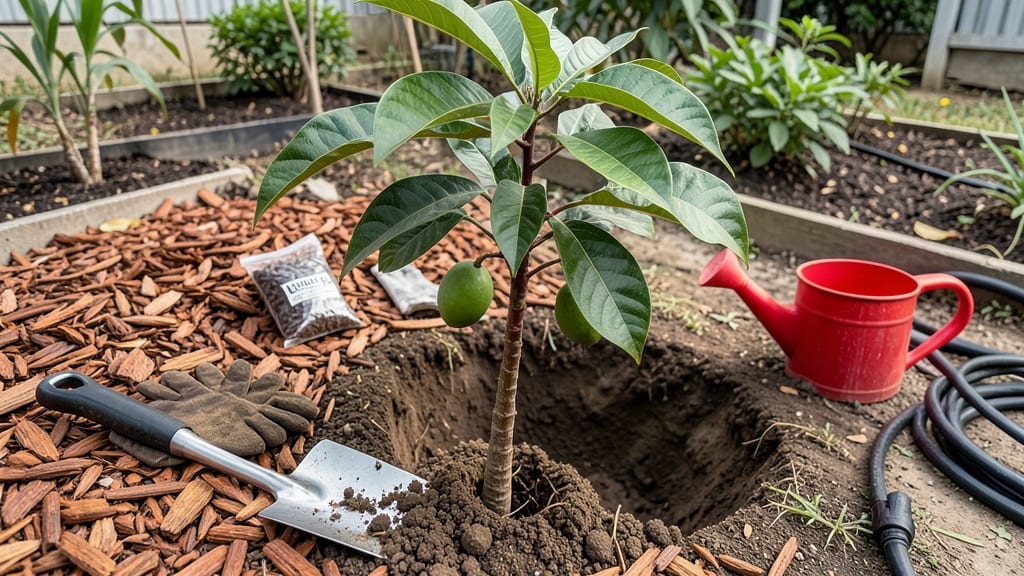
To plant a mango tree in ground, aim for late spring after the last frost when soil warms to 60°F+—this critical timing ensures strong root growth and fruit production.
Planting a mango tree at the wrong time can mean years of waiting for fruit—or worse, a dead sapling before it even establishes itself. Timing isn’t just about seasons; it’s about your climate zone, soil temperature, and even the moon’s phases (yes, really).
In warmer regions like USDA zones 9-11, you can plant as early as February, while cooler zones (8 and below) need to wait until May or June. The key is warm soil, not just warm air.
Below, I’ll break down the best months by climate zone, how to test soil readiness, and the 30-day checklist to keep your mango thriving from day one.
Best months to plant mango trees by USDA climate zones
Mango trees (Mangifera indica) thrive in warm climates but can adapt to cooler zones with proper timing and frost protection. The best planting months depend entirely on your USDA climate zone—whether you're in frost-free Florida or chilly California's coastal areas.
In zones 9-11, you can plant year-round, but spring and fall offer ideal conditions. For zones 8 and below, timing becomes critical to avoid frost damage.
In tropical zones (9-11), mango trees grow fastest when planted during the warm, wet season (spring to early summer). However, cooler zones (8 or lower) require late spring planting after the last frost date.
Even in marginal zones, you can extend the growing season with frost cloths or container growing for young saplings.
Here’s a zone-by-zone breakdown of the best months to plant mango trees in the ground, including soil temperature thresholds and frost protection tips:
| USDA Zone | Best Planting Months | Soil Temp Threshold | Frost Protection Needed? | Notes |
|---|---|---|---|---|
| 9-11 (Tropical/Subtropical) | Year-round (Peak: March-May, Sept-Nov) | 60°F+ (15°C+) | No | Avoid extreme heat (summer). Use drip irrigation. |
| 8 (Marginal) | April-June (After last frost) | 65°F+ (18°C+) | Yes (Frost cloths for young trees) | Choose cold-hardy varieties like 'Julie' or 'Cogshall'. |
| 7 and Below (Cooler Regions) | May-July (Container-grown only) | 70°F+ (21°C+) | Yes (Overwinter indoors) | Dwarf varieties like 'Ice Cream' may survive. Use grow lights. |
In zones 9-11, where frost is rare, you can plant mango trees almost anytime. However, spring (March-May) and fall (September-November) are ideal because they offer moderate temperatures and consistent rainfall. Avoid planting during peak summer heat, as young roots struggle to establish in dry, compacted soil.
For zone 8 gardeners, timing is everything. Plant after your last frost date, typically in April or May, when soil temperatures consistently stay above 65°F (18°C).
Use frost cloths or row covers for the first few weeks to protect young leaves from unexpected cold snaps. Even a single light frost can kill tender new growth.
In zones 7 and below, growing mango trees outdoors is challenging, but not impossible. The key is to start with container-grown saplings and plant them in late spring (May-July) when soil is warm.
Overwinter the container indoors near a south-facing window or under grow lights. Dwarf varieties like 'Ice Cream' or 'Cogshall' are your best bets for cooler climates.
No matter your zone, always amend your soil with compost and sand to improve drainage—mango trees hate soggy roots. In zones 9-11, add a 2-3 inch layer of mulch to retain moisture. In cooler zones, use straw mulch to insulate roots during winter.
Pro tip: If you’re in a transition zone (like zone 8a), consider planting your mango tree in a protected microclimate, such as near a south-facing wall or under the drip line of a larger tree.
This can add 5-10°F of warmth during cooler nights, giving your mango tree a fighting chance.
Remember, mango trees are slow to bear fruit—often taking 3-5 years to produce their first harvest. Planting at the right time ensures your tree grows strong and healthy enough to reward you with juicy, sweet mangoes for decades.
How to tell when soil and weather are truly ready
Planting your mango tree too early or late can stunt its growth—or worse, kill it before it takes root. The key is waiting for soil temperatures to consistently stay above 60°F (15°C) at a depth of 6 inches.
This warmth signals the soil microbes are active, helping roots establish quickly. In cooler zones like USDA Zone 8, this often means waiting until late spring or early summer.
Don’t rely solely on the calendar—your local microclimate matters more. A sheltered spot warms up faster than an open area, so test multiple locations. Use a soil thermometer for accuracy, especially if you’re unsure.
Container-grown mango saplings can handle slightly cooler soil than bare-root ones, but both need stable warmth to thrive.
⚠️ callout-warning ⚠️
🌡️ Hidden Frost Risk: The Silent Killer
Even if daytime temps feel warm, nighttime temperatures below 55°F (13°C) can damage tender mango roots. Check your frost-free date and add 2-3 weeks as a buffer. In marginal zones, use row covers or plant near a south-facing wall to trap heat.
💡 Pro Tip: Bare-root saplings are 30% more vulnerable to frost than container-grown ones. If planting in Zone 8 or cooler, wait until after Memorial Day or risk stunted growth.
Rainfall patterns also play a critical role. Mango trees hate waterlogged soil, so avoid planting after heavy rains unless your soil drains exceptionally well. Aim for 1-2 weeks of dry weather before transplanting to let the soil firm up slightly.
If your area is drought-prone, schedule planting during the wet season’s tail end to give roots a moisture head start.
For container-grown mango trees, timing shifts slightly. Since their roots aren’t exposed to ground temperature swings, you can plant them 2-3 weeks earlier than bare-root saplings. However, still wait for soil warmth—cold stress from the ground can still shock the plant.
Gently loosen the container’s root ball and soak it in lukewarm water for 1 hour before planting to reduce transplant shock.
Pay attention to the moisture level of the topsoil. It should be damp but not soggy—like a wrung-out sponge. If it’s bone-dry, water deeply 24 hours before planting to help the roots settle. In sandy soils, this step is especially crucial, as they dry out faster.
Mulch heavily after planting to retain moisture and regulate soil temperature, which is vital for young mango trees still adjusting to their new home.
Finally, observe the local wildlife for clues. When native plants like hibiscus or bougainvillea start blooming vigorously, it’s often a sign the soil is warm enough for mangoes.
Combine this with your soil thermometer readings for the best results. Patience here pays off—rushing can delay fruiting by 1-2 years or worse.