
Pruning
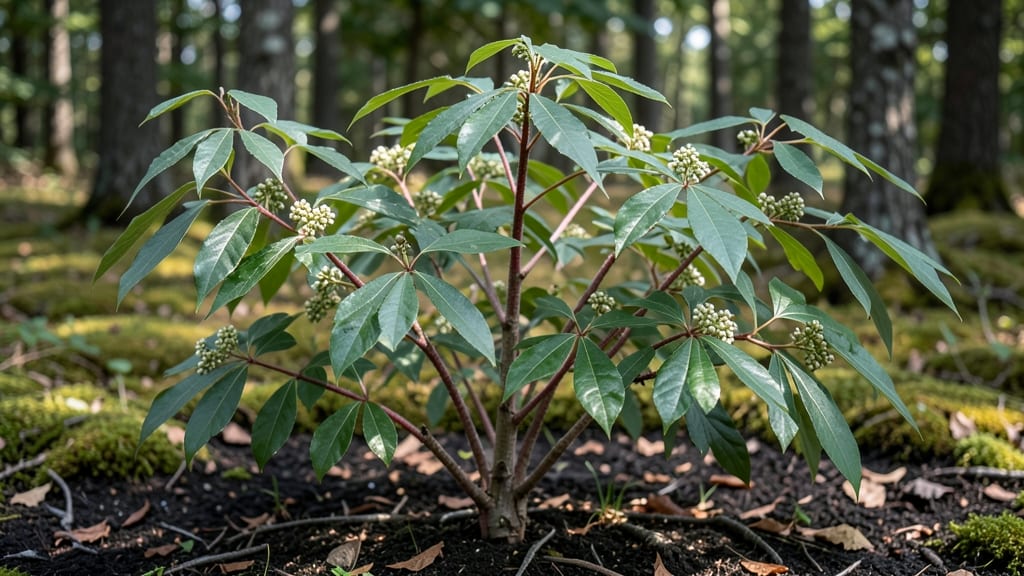
Identifying poison sumac tree bark is critical because its toxic urushiol oil causes severe allergic reactions like rashes, blisters, and swelling upon contact. Look for its distinctive smooth gray bark, clusters of white berries, and compound leaves with 7-13 pointed leaflets.
This toxic oil isn't just in the leaves—it's embedded in the bark, roots, and even dead branches, making every part of the plant dangerous. 💛 The reaction happens when urushiol oil penetrates your skin, triggering an immune response that can last for weeks.
I've seen cases where people thought they were safe because the plant looked dry, only to develop painful blisters days later. Always assume any part of poison sumac is hazardous, and avoid touching it entirely.
If you're near wetlands or forested areas, knowing how to spot this plant could prevent serious health issues. The bark's smooth, gray texture and the way the leaves grow in pairs along the stem are key identifiers.
Unlike poison ivy, which has three leaflets, poison sumac leaves have an odd number—usually 7 to 13—arranged in a feather-like pattern. When in doubt, take a photo and consult a local botanist before getting too close.
💡 In This Article
- How Poison Sumac Bark Triggers Toxic Reactions
- Safety Tips for Avoiding Poison Sumac in Gardens
How poison sumac bark triggers toxic reactions
The poison sumac tree's bark contains urushiol oil, the same chemical responsible for poison ivy reactions. This oil is embedded within the bark's outer layer, where it remains stable even when the tree is dormant or dead.
Unlike leaves that may dry out and lose potency over time, the bark retains its toxicity for years, making it particularly dangerous during winter months when visual identification is harder.
When urushiol oil comes into contact with your skin, it undergoes a chemical reaction called oxidation. This process creates a compound that your immune system recognizes as foreign, triggering an inflammatory response. The severity of the reaction depends on factors like skin sensitivity and exposure duration.
For example, a 5-minute touch might cause mild redness, while prolonged contact can lead to large, oozing blisters within 12-48 hours. The oil is so potent that even microscopic amounts can provoke reactions in sensitive individuals.
What makes poison sumac bark uniquely dangerous is its smooth, waxy texture. Unlike rougher barks that might not transfer oil as efficiently, poison sumac's bark allows urushiol to spread more easily when touched.
The oil can also transfer indirectly through contaminated tools, clothing, or even pets that brush against the tree. This indirect exposure is why gardeners and hikers often develop reactions without direct contact with the plant itself.
The bark's toxicity isn't just about urushiol concentration—it's also about how the chemical is distributed. While leaves contain urushiol primarily on their surfaces, the bark has it throughout its cellular structure.
This means scraping or cutting the bark releases fresh oil from deeper layers, increasing exposure risk. Even the tree's roots contain urushiol, which can contaminate soil and water sources near the plant.
Here's what happens chemically: urushiol binds to skin proteins, forming stable complexes that trigger your immune system's T-cells to release histamines. This reaction causes the characteristic itching, swelling, and blistering.
The process is similar to an allergic reaction to bee stings, but with poison sumac, the allergen remains active indefinitely unless properly removed.
Interestingly, the bark's toxicity doesn't diminish with age. A 100-year-old dead poison sumac tree can still cause severe reactions because urushiol remains chemically stable in the absence of moisture. This longevity explains why old stumps and fallen branches pose significant risks long after the tree has died.