
Pruning
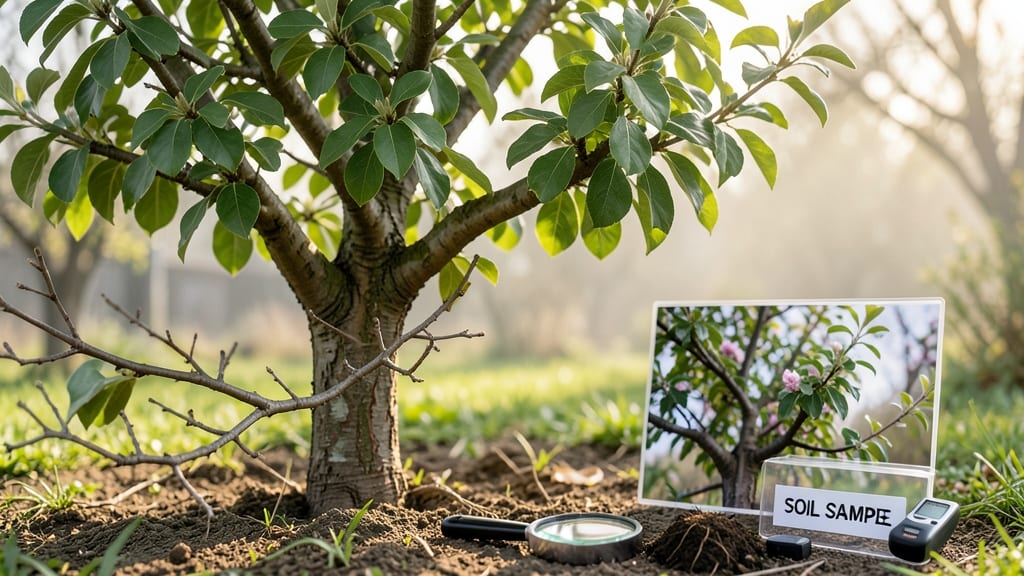
A plum tree not flowering can feel like a gut punch after years of hoping for that first harvest. 🌸 I’ve watched my own tree stand bare for seasons, thinking it was just being stubborn—until I realized it needed three key adjustments that brought blooms back within months.
The most likely culprits are light deprivation, over-pruning, or nutrient imbalances—all fixable with simple tweaks. My tree had spent years in partial shade, and once I moved it to full sun, new buds appeared by spring.
The same goes for pruning: aggressive cuts remove next year’s flowers, while strategic thinning opens the canopy for light. You’ll spot the difference in just one growing season: thicker branches, clusters of pink buds, and eventually, juicy fruit.
The secret isn’t complicated—it’s about giving your tree what it’s been missing all along.
Start by checking sunlight exposure—plum trees need 6+ hours of direct sun daily. If your tree is young, it might just need time to mature (3–5 years for most varieties).
Older trees often suffer from potassium or phosphorus deficiencies, which you can test with a soil kit or address with organic amendments like bone meal.
Pruning is where most gardeners go wrong. Instead of hacking back branches, focus on removing only dead or crossing wood in late winter. This preserves flower buds while improving airflow. Within weeks, you’ll notice fresh growth where buds should form.
If your tree still resists after these steps, it might need a professional assessment—sometimes root issues or disease are hiding beneath the surface. But in most cases, these fixes work fast, turning a barren tree into a fruiting powerhouse.
Root Causes Behind Missing Blossoms
Plum trees are known for their stunning spring blooms, but when those flowers fail to appear, it’s often a sign that something fundamental is off. Understanding the why behind your plum tree’s lack of blossoms is the first step to bringing back those vibrant, fragrant flowers.
Here’s a breakdown of the most common culprits—each with a clear scientific explanation and actionable insights to help you diagnose the issue.
Plum trees, like many fruit trees, have a critical window for flowering. If your tree is too young or too old, it may skip blooming altogether.
- Too Young: Most plum trees (especially grafted varieties) take 3–5 years to mature enough to produce flowers.
During this time, the tree focuses its energy on root and trunk growth rather than reproductive structures. - Actionable Tip: Check the tree’s age—if it’s under 3 years old, patience is key. Provide optimal care (water, nutrients, sunlight) to speed up maturation.
- Too Old: Mature plum trees (typically 15–20+ years) may decline in vigor, leading to fewer or no flowers.
This is often due to declining root systems, disease stress, or nutrient depletion. - Science Note: As trees age, their hormonal balance shifts—auxin (a growth hormone) dominates over florigen (the flowering hormone), suppressing bloom production. - Actionable Tip: Test soil fertility and consider rejuvenation pruning to stimulate new growth.
If the tree is severely declining, replacement may be the kindest option.
Plum trees are chill-requiring—meaning they need a specific number of hours below 45°F (7°C) during winter to trigger flowering. Without this, buds remain dormant or fail to develop.
- Insufficient Chill Hours: In warmer climates or mild winters, plum trees may not get enough cold exposure.
Most varieties need 300–1,000 hours below 45°F. - Example: A tree in Zone 8–10 might struggle if winters are consistently above 50°F. - Actionable Tip: Choose low-chill varieties (e.g., ‘Santa Rosa’ or ‘Methley’) if you’re in a warm region.
Alternatively, use artificial chilling (like a cold room) for potted trees during dormancy.
- Late Frost Damage: Early spring frosts can burn flower buds before they open, leaving no blooms.
- Science Note: Flower buds form the previous summer/fall, so damage in late winter/early spring can be catastrophic.
- Actionable Tip: Monitor frost forecasts and cover young trees with frost cloth if frost is predicted during bloom time.
- Extreme Heat Stress: Summer temperatures above 95°F (35°C) can stunt flower development by disrupting pollinator activity and stressing the tree.
- Actionable Tip: Provide afternoon shade (via shade cloth or strategic planting) and ensure deep, consistent watering to reduce heat stress.
Flowering is an energy-intensive process, and poor nutrition can derail it. Both deficiencies and excesses play a role.
| Nutrient Issue | Effect on Flowering | How to Fix It |
|---|---|---|
| Nitrogen (N) Excess | Promotes leafy growth at the expense of flowers. | Reduce high-nitrogen fertilizers (like lawn fertilizer). Use a balanced 10-10-10 instead. |
| Phosphorus (P) Deficiency | Critical for flower bud formation; deficiency leads to sparse or no blooms. | Apply bone meal or rock phosphate in early spring. |
| Potassium (K) Deficiency | Weakens root and flower development, making buds prone to dropping. | Use potassium sulfate or wood ash (sparingly). |
| Micronutrient Deficiencies (e.g., Boron, Zinc, Calcium) | Can stunt flower initiation or cause bud deformities. | Conduct a soil test and amend with chelated micronutrients if needed. |
- Pro Tip: Avoid synthetic fertilizers high in nitrogen (like urea) in late summer/fall—they encourage vegetative growth instead of flower buds.
Pruning is a double-edged sword—done correctly, it encourages blooms; done poorly, it can eliminate next year’s flowers.
- Late Summer/Fall Pruning: Plum trees form flower buds on old wood (last year’s growth). Pruning in late summer or fall removes these buds, leaving no flowers for spring. - Science Note: Flower buds are determinate, meaning they’re set in the previous growing season.
Heavy pruning after bud set (late summer) can sever up to 80% of potential blooms. - Actionable Tip: Prune in late winter/early spring (just before buds swell) to avoid cutting off next year’s flowers.
- Over-Pruning: Removing too many branches (especially water sprouts or thick limbs) can reduce the tree’s energy reserves, leaving little for flowering.
- Actionable Tip: Limit pruning to removing only dead, diseased, or crossing branches. Aim to keep 60–70% of the canopy intact.
- Improper Cuts: Topping (cutting back to a stub) or shearing plum trees can lead to weak, non-flowering growth.
- Actionable Tip: Use clean, angled cuts just outside the branch collar. Avoid leaving stubs longer than ¼ inch.
Pests and diseases drain the tree’s energy, leaving it too weak to produce flowers. Common culprits include:
- Aphids, Scale, and Spider Mites: These sap-sucking insects weaken the tree by reducing photosynthesis.
- Signs: Sticky residue (honeydew), yellowing leaves, or distorted new growth.
- Fix: Spray with neem oil or introduce ladybugs (natural predators).
- Bacterial Leaf Spot or Silver Leaf Disease: Fungal/bacterial infections can discolor and drop leaves, starving the tree of energy.
- Signs: Dark spots with yellow halos, premature leaf drop, or silvery sheen on leaves.
- Fix: Remove infected branches, apply copper fungicide, and improve air circulation via pruning.
- Root Rot (Phytophthora): Waterlogged soil leads to root decay, cutting off nutrient uptake.
- Signs: Wilting despite moist soil, mushrooms at the base, or stunted growth.
- Fix: Improve drainage with gravel or raised beds and avoid overwatering.
Sometimes, the issue isn’t above ground at all.
- Girdling Roots: Roots that circle the trunk can strangle the tree, restricting water and nutrient flow.
- Fix: Carefully excavate and prune girdling roots in early spring.
- Compaction or Poor Drainage: Dense, waterlogged soil suffocates roots, limiting nutrient absorption.
- Fix: Amend soil with compost or perlite and consider deep mulching (3–4 inches of organic mulch).
- Transplant Shock: If recently planted, the tree may be focused on root establishment rather than flowering.
- Fix: Water deeply 2–3 times per week for the first year and avoid heavy pruning.
Revive Your Plum Tree’s Blooms
Now that you’ve identified why your plum tree isn’t flowering, let’s turn things around with actionable fixes tailored to each root cause. These solutions are designed to be practical, seasonal, and easy to implement—so you can see blossoms (and maybe even fruit!) sooner than you think.
If your tree lacks the right nutrients, it’s like trying to run a marathon on an empty tank. Plum trees need a balanced diet to push out flowers, especially in early spring.
How to Fix It:
- 📊 Soil Test First – Grab a soil test kit (or send a sample to your local extension office) to check pH and nutrient levels. Plum trees thrive in slightly acidic to neutral soil (pH 6.0–7.0). If the pH is off, amend the soil with lime (to raise pH) or sulfur (to lower pH) before fertilizing.
- 💪 Fertilize Smart – Use a balanced, slow-release fertilizer (like 10-10-10 or 12-12-12) in early spring (just as buds swell) and again in early summer. Avoid high-nitrogen fertilizers in late summer—they encourage leafy growth at the expense of flowers.
- 🍎 Organic Boost – Mix in compost or well-rotted manure around the root zone (keep it 6–12 inches away from the trunk) to improve soil structure and microbial activity. A handful of banana peels (for potassium) or eggshells (for calcium) can also help.
💡 Prevention Tip:
- Mulch Wisely – Apply 2–4 inches of organic mulch (wood chips, straw) in a 3-foot ring around the tree. This retains moisture, regulates temperature, and slowly releases nutrients. But keep mulch away from the trunk to prevent rot.
Overgrown, poorly pruned plum trees often prioritize leaves over flowers. Strategic pruning in late winter or early spring (before buds break) can encourage more blooms.
How to Fix It:
- 🔪 Open the Canopy – Remove dead, diseased, or crossing branches first. Then, thin out 20–30% of the canopy to improve airflow and sunlight penetration. Focus on:
- Suckers (shoots growing from the base or trunk).
- Water sprouts (fast-growing vertical shoots).
- Overcrowded branches (keep only the strongest, outward-facing ones).
- 🌸 Encourage Flower Buds – Plum trees flower on both old and new wood, but dormant buds (formed the previous year) are key. Prune just above a bud that faces outward to promote future blooms.
- 🌞 Light = More Flowers – If your tree is shaded, prune to lift and thin the canopy so sunlight reaches the inner branches. Aim for at least 6 hours of direct sun daily.
✨ Pro Tip:
- Avoid Heavy Pruning in Autumn – Pruning too late can stimulate new growth that won’t harden off before winter, making the tree vulnerable to frost damage.
Sometimes, a little nudge from Mother Nature (or you!) is all it takes. Plum trees often need chilling hours (cold winter temperatures) and warmth cues to trigger flowering.
How to Fix It:
- 🌡️ Check Chilling Hours – Most plum varieties need 300–1,000 hours below 45°F (7°C) to set flower buds. If your winters are too mild (e.g., in Zone 8+), your tree might skip flowering.
- Solution: If possible, plant a cold-hardy variety (like ‘Santa Rosa’ or ‘Methley’).
- Workaround: In late winter, give the tree a light frost spray (misting with water and letting it freeze) to simulate chilling. Note: Only do this if temps are near freezing!
- 🌞 Warmth Trigger – Once buds swell in spring, consistent warmth (above 50°F/10°C) tells the tree it’s time to bloom. If late frosts strike, cover young buds with frost cloth to protect them.
- 💧 Water Wisely – Deep watering (1–2 inches per week) in early spring encourages root growth, which supports flower production. Avoid overwatering in summer, as it can stress the tree.
🎯 Prevention Tip:
- Plant in the Right Spot – Choose a location with full sun, good drainage, and protection from strong winds. If your tree is in a low spot where cold air pools, consider mounding soil around the base to elevate it slightly.
If your plum tree has been neglected for years, it may need a two-season reset:
- Spring: Prune aggressively (but not too late), fertilize, and mulch.
- Fall: Apply a slow-release fertilizer and ensure the tree gets enough water before dormancy.
Remember: Patience is key—some plum trees take 1–2 seasons to rebound after neglect. But with these fixes, you’ll be well on your way to a blossom-filled spring! 🌸🌿
Frequently asked questions
How do I know if my plum tree is too young to flower?
Most plum trees need 3–5 years to mature enough for flowering. Look for thick trunk growth (at least 2–3 inches in diameter) and a well-established root system. Young trees focus energy on growth rather than blooms, so patience is key. Provide full sun and balanced fertilizer to speed up maturation.
Can I force my plum tree to flower faster?
While you can't rush nature, you can optimize conditions. Focus on full sun exposure (6+ hours daily), balanced fertilization (avoid high nitrogen), and proper pruning. For chill-sensitive varieties, consider low-chill cultivars if you're in a warm climate. Remember, forcing growth can stress the tree—patience yields better results.
What's the best time to prune a plum tree for maximum flowers?
Prune during late winter or early spring (just before buds swell) to preserve flower buds formed on last year's wood. Avoid pruning in late summer/fall as this removes potential blooms. Keep cuts clean and angled, removing only dead, crossing, or diseased branches—never more than 20–30% of the canopy.
Why did my plum tree flower this year but not last year?
Flowering depends on multiple factors working together. Last year might have had insufficient chill hours, poor nutrition, or late frost damage. This year's success suggests conditions improved—perhaps better winter chilling, proper pruning, or adjusted fertilization. Keep monitoring these factors to maintain consistent blooms.
How can I tell if my plum tree has a nutrient deficiency?
Watch for these signs: Yellowing leaves (nitrogen deficiency), purple stems (phosphorus deficiency), or weak, brittle branches (potassium deficiency). Conduct a soil test for definitive answers. Amend with bone meal (phosphorus), potassium sulfate, or compost based on test results. Organic matter improves overall soil health.