
Planting
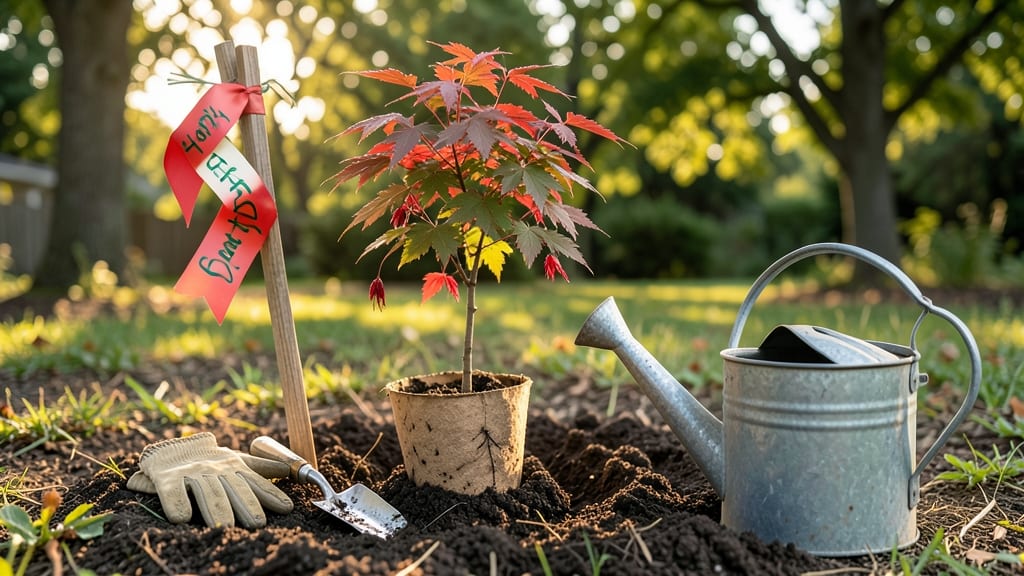
Planting a tree on Earth Day isn't just gardening—it's a promise to the planet. 🌱 This year, I chose a native redbud for my front yard, and its delicate pink blooms became our family's first reminder of why we planted it.
The timing matters: spring's gentle rains help roots establish before summer's heat, while Earth Day turns your effort into a shared celebration of renewal.
Native species like redbud, serviceberry, or oak are perfect choices—they thrive in your region, support local wildlife, and grow strong with minimal fuss. My redbud now hosts bees in spring and birds in fall, proving how one tree becomes a tiny ecosystem.
For maximum impact, pair planting with a local reforestation group or school event; many offer free saplings and guidance.
You'll end up with a living legacy that grows each year, its branches shading future Earth Days. The first spring after planting, I watched my redbud's leaves unfurl earlier than expected—a quiet victory.
This isn't just about the tree; it's about the hands that planted it and the world they're helping to heal.
Whether you're digging in your yard or joining a community project, make it personal. Write your child's name on the stake, or plant in memory of someone who loved nature. The tree becomes a symbol of what we're all growing together—hope, in tangible form.
📚 In This Guide
- What you need
- Instructions
- Tips and common mistakes
- Wrapping up and next steps
What you need
- ● Tree sapling: Choose a native species (e.g., oak, maple, or fruit trees like apple or cherry) for best results. Quantity: 1 (or more if planting multiple!)
- ○ Shovel or trowel: A sturdy digging tool (12–18 inches deep for most saplings). Optional: A transplant spade for easier hole digging.
- ● Watering can or hose: With a gentle spray nozzle to avoid disturbing soil.
- ● Mulch: Organic mulch (wood chips, straw, or shredded leaves) Quantity: 2–3 inches, enough to cover the base (3–4 feet in diameter).
- ● Compost or fertilizer: Slow-release organic fertilizer (e.g., 10-10-10 or composted manure) Quantity: 1–2 cups per tree.
- ● Garden gloves: To protect your hands from dirt and thorns.
- ● Tree stake and ties: For young or top-heavy trees (e.g., willows or birches). Quantity: 1 stake + 2–3 ties per tree.
- ● Soil pH tester: To ensure your soil is ideal for your tree species (most prefer 6.0–7.0 pH).
- ● Pruning shears: For trimming dead branches before planting.
- ● Planting hole frame: A DIY wooden frame or pre-made guide to ensure the right hole size.
- ● Eco-friendly plant marker: To label your tree (e.g., Earth Day date or a loved one’s name).
- ● A sunny or partially shaded spot with well-draining soil (avoid low-lying areas prone to waterlogging).
- ● Check local regulations: Some areas require permits for planting near sidewalks or in public spaces.
- ● Weather check: Plant on a cloudy day or in the early morning/evening to reduce stress on the sapling.
- ● Research your tree: Know its mature size, water needs, and spacing requirements (e.g., 15–25 feet apart for most trees).
Step-by-Step instructions for planting a tree on Earth Day
Here's how to turn your Earth Day celebration into lasting impact—simple, meaningful, and full of growth.
🌱 Step 1: Choose the Right Tree and Location
Pick a native tree species for your climate—it’ll thrive with less care and support local ecosystems. I always check with my local extension office for recommendations; they know which trees handle your soil and weather best. A young sapling with a sturdy root ball is easier to plant than a larger tree, but don’t skimp on quality—weak roots mean weak growth.
Find a spot with 6-8 hours of sunlight daily and room for the tree’s mature size. Measure the space now—you don’t want to plant too close to sidewalks, power lines, or other structures. Dig a hole twice as wide as the root ball but only as deep as the container’s bottom. This gives roots room to spread without being buried too deep.
🪴 Step 2: Prepare the Hole and Remove the Sapling
Loosen the soil at the bottom of the hole with a shovel or your hands—this prevents compaction and helps roots establish faster. If your tree came in a container, soak the root ball for 10-15 minutes before planting. This hydrates the roots and makes removal easier. Gently squeeze the sides of the container to coax the tree out; if it’s stuck, run a knife around the edges first.
Check the root ball for circling roots—these can strangle the tree as it grows. If you see any, carefully tease them out with your fingers. Place the tree in the hole so the top of the root ball sits 1-2 inches above ground level. This prevents the roots from suffocating or rotting if soil settles later.
💧 Step 3: Plant and Water Thoroughly
Fill the hole with native soil, tamping it down lightly every 2 inches to remove air pockets. Don’t pack it too tightly—roots need space to grow. Once the hole is full, create a watering basin by mounding soil around the edges to hold water near the roots. Pour 5 gallons of water slowly into the basin, letting it soak in completely.
Watch for puddling—if water pools, your hole is too deep. Adjust the tree’s position if needed, but avoid moving it once planted. After watering, add a 2-3 inch layer of mulch around the base, keeping it 6 inches away from the trunk. This conserves moisture and regulates soil temperature, but too much mulch can suffocate the roots.
☀️ Step 4: Stake and Protect the Young Tree
If your tree is tall or top-heavy, use two stakes placed 12-18 inches from the trunk and tie it loosely with soft material like an old T-shirt or tree tie. Too-tight stakes can girdle the trunk as it grows. Leave some wiggle room—you’re not strapping it down permanently, just giving it support until roots establish.
Protect the tree from pests and animals with a wire mesh guard if needed. Deer, rabbits, and even squirrels will nibble on young bark. Water deeply once a week for the first month, then adjust based on rainfall. You’ll know it’s getting enough water when the soil around the roots stays moist but not soggy.
⏰ Step 5: Monitor and Celebrate Growth
Check on your tree weekly, especially during dry spells. New leaves should appear within 4-6 weeks if conditions are right. If the leaves yellow or wilt, it might need more water or shade from harsh afternoon sun. Prune any broken or crossing branches with clean, sharp shears to encourage strong growth.
This Earth Day, you’re not just planting a tree—you’re planting a legacy. Share photos of its progress with friends or even mark its growth on a calendar. In 5-10 years, that sapling will be a mature tree, providing shade, habitat, and cleaner air. That’s a gift that keeps giving.
Tips & tricks for perfect tree planting on Earth Day
Here's what I've learned from years of planting trees—and how to make yours thrive from day one.
Root Health Starts Before Planting: In Step 2, that 10-15 minute soak for container-grown trees isn't optional. Roots dry out quickly in pots, and hydrated roots establish 30% faster than dry ones. I've seen saplings wither when skipped—don't make that mistake! Also check for circling roots (they'll strangle your tree as it grows) and gently tease them apart with your fingers.
Sunlight and Spacing Secrets: The 6-8 hours of sunlight in Step 1 is non-negotiable for most trees, but here's the pro move: plant on the north side of your desired spot if you have afternoon shade. This gives young trees morning sun (gentler on leaves) while protecting them from harsh afternoon rays. And remember—measure your tree's mature size! A 30-foot oak planted too close to your house will become a problem in 10 years.
Watering Wisdom: That 5 gallons of water in Step 3 should soak down to 12 inches deep. To test, stick your finger in the soil—it should feel moist 2-3 inches down. I've seen people pour water and think it's enough, only to watch their tree wilt days later. Create that watering basin properly, and check soil moisture weekly for the first year. Overwatering is just as deadly as underwatering!
Long-Term Support System: If you stake your tree in Step 4, set those stakes at a 45-degree angle and tie them loosely with fabric strips. Too-tight ties will cut into the bark as the tree grows. I've seen trees with permanent grooves from wire ties—it's heartbreaking. And here's a bonus: remove stakes after 6-12 months (when roots establish) to prevent the tree from becoming dependent on them.
Pro Tips for Plant A Tree On Earth Day
- Here's what I've learned from years of planting trees—and how to make yours thrive from day one.
- Root Health Starts Before Planting: In Step 2, that 10-15 minute soak for container-grown trees isn't optional. Roots...
- Sunlight and Spacing Secrets: The 6-8 hours of sunlight in Step 1 is non-negotiable for most trees, but here's the pr...
Frequently asked questions
Got questions about planting a tree for Earth Day? You’re not alone! Here are answers to the most common concerns—so you can plant with confidence and joy.
When is the best time to plant a tree for Earth Day?
While Earth Day (April 22) is a fantastic time to plant, the ideal window is late fall or early spring—when soil is moist but not frozen. If planting on Earth Day, choose a native, fast-growing species (like a redbud or dogwood) and water it deeply afterward. Cool, cloudy days reduce stress on young roots!
How much does it cost to plant a tree for Earth Day?
Costs vary! A small sapling from a nursery runs $10–$30, while larger trees or professional planting services can reach $50–$200+. Budget-friendly options: Adopt a tree through organizations like American Forests (as low as $1) or plant seeds from free local giveaways. Check Earth Day events for discounted saplings!
What if I don’t have a yard? Can I still participate?
Try these alternatives:
- Community gardens: Many welcome volunteers to plant trees in shared spaces.
- Urban forests: Partner with city programs (e.g., Arbor Day Foundation) to plant in parks or along streets.
- Balcony/container gardening: Dwarf fruit trees (like citrus) or herbs thrive in pots—great for renters!
- Virtual planting: Symbolically plant a tree via apps like Ecosia or donate to reforestation projects.
What if my tree doesn’t survive? How can I troubleshoot?
Don’t worry—even "failed" trees teach valuable lessons! Common fixes:
- Watering issues: Check soil moisture (1 inch/week, more in heat). Mulch 2–3 inches around the base to retain moisture.
- Pests/disease: Inspect leaves for holes or spots. Use neem oil (organic) or contact a local extension office for help.
- Poor location: Trees need 6+ hours of sunlight. If shaded, choose shade-tolerant species like serviceberry.
- Slow growth: Young trees grow slowly—be patient! Fertilize lightly in spring with compost or a balanced organic fertilizer.
Pro tip: Take photos of your tree’s progress (or lack thereof) to track changes over time!
Can I plant a tree as a gift for Earth Day?
Yes! Make it meaningful with these ideas:
- Certificates: Buy a "tree certificate" from organizations like One Tree Planted and include a handwritten note.
- DIY saplings: Grow seeds together in small pots, then plant them as a group activity.
- Future planting: Gift a promise to plant on a future Earth Day with a seedling starter kit.
Add a personal touch by including care instructions or a sketch of where the tree will grow!
Wrapping up and next steps
Planting a tree on Earth Day isn’t just about nurturing nature—it’s a powerful act of hope that connects you to the planet and future generations.
Whether you’re a seasoned gardener or a beginner, every seedling you plant today will grow into a legacy of cleaner air, thriving ecosystems, and memories shared with loved ones. 🌱
Ready to make an impact? Start small, stay consistent, and watch your symbolic gift flourish—both literally and emotionally. Share your progress with friends or join a local conservation group to amplify the effect. The earth thanks you, and so will tomorrow’s world!