
Trees
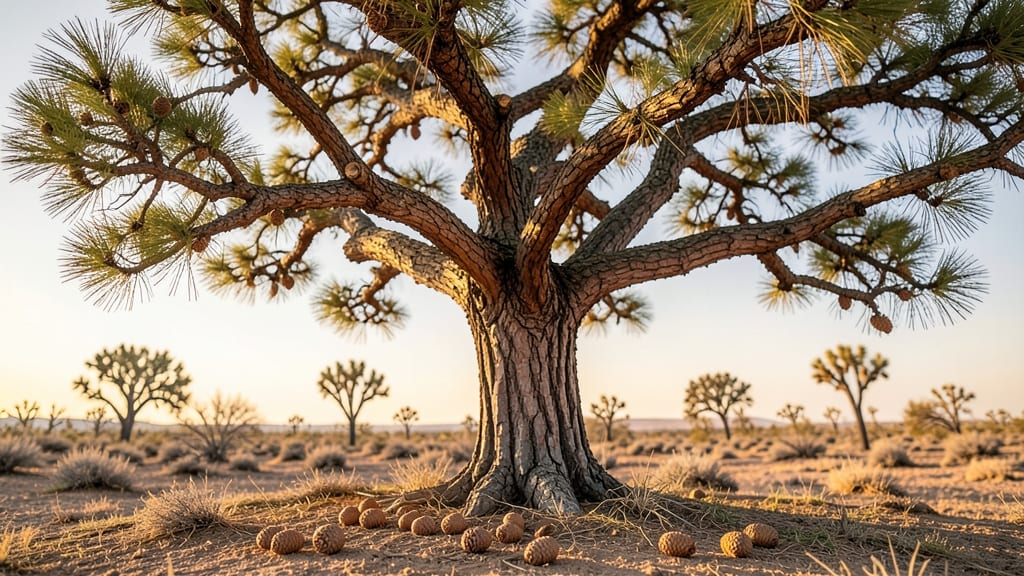
Pine cones aren't just decorative—they reveal everything about a tree's identity. Learn to identify 10 common pine cone tree types by their unique needle shapes, sizes, and growth patterns, perfect for gardeners, foresters, and nature enthusiasts.
Eastern White Pine Needles and Cones
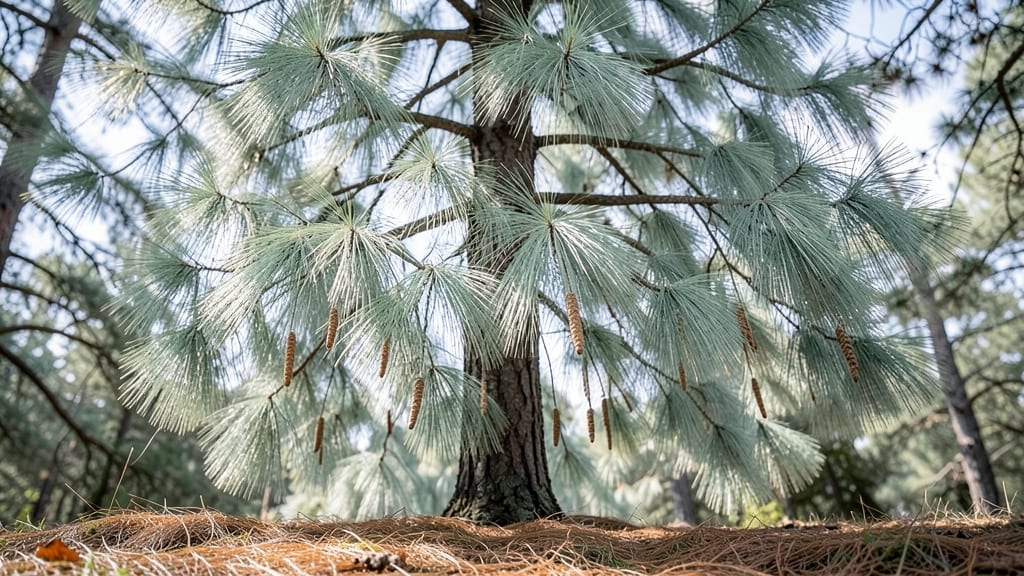
The Eastern White Pine stands out in any landscape with its signature five-needle clusters—a rare trait among pines—that create a soft, feathery look. These silvery-blue-green needles grow in bundles of five, each reaching up to 5 inches long, while its long, slender cones (3-6 inches) curve slightly and release seeds over two years.
This adaptable tree thrives in partial shade to full sun and tolerates a wide range of soils, making it ideal for urban gardens, windbreaks, or forest edges. Prune in late winter to shape its graceful, rounded canopy while preserving its airy silhouette. The five-needle bundles are a key ID feature—no other eastern pine shares this trait!
Perfect for gardeners seeking a low-maintenance evergreen with wildlife value, the Eastern White Pine also filters air pollution, making it a great choice for suburban yards. 🌱
Ponderosa Pine Needle Clusters and Cones
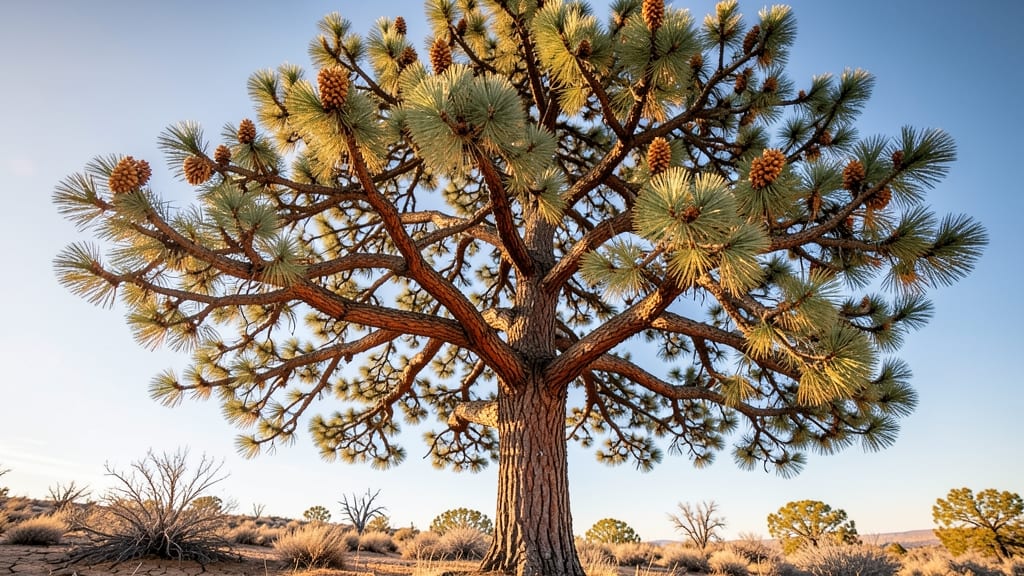
If you're dreaming of a drought-resistant landscape that thrives without constant watering, the Ponderosa Pine delivers dramatic style with minimal effort. Its iconic twisted needles and large, symmetrical cones create a striking focal point while requiring far less maintenance than many ornamental trees.
This fast-growing species thrives in arid climates, tolerating poor soil and minimal rainfall once established. The needles grow in bundles of three, each twisting gracefully for that signature look, while the cones can reach 12-18 inches long—perfect for adding texture to any outdoor space. Planting in full sun ensures optimal growth, and its deep root system makes it exceptionally resilient during droughts.
Ideal for gardeners in dry regions or those seeking low-maintenance landscaping, the Ponderosa Pine adds year-round interest with its rugged beauty. 🌟
Scots Pine Needle Bundles and Cones
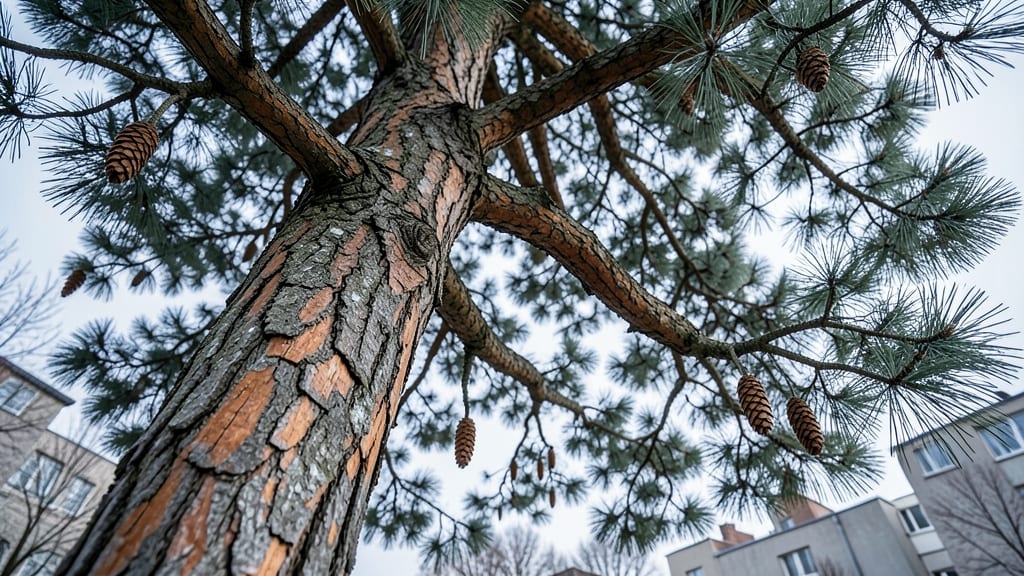
If you're looking for a pine tree that thrives in cold climates and urban settings, the Scots pine (Pinus sylvestris) delivers year-round resilience. Its stiff, two-needle bundles and asymmetrical cones are built to withstand harsh winters, making it a standout choice for northern gardens and city landscapes.
This hardy tree adapts to poor, acidic soils and tolerates drought conditions once established, requiring minimal care. The dark green needles (2-3 inches long) stay on branches for 3-4 years, providing year-round structure, while the small, rough cones (1-2 inches) add texture and interest. Prune in late winter to maintain shape and encourage dense growth.
Perfect for gardeners in USDA zones 3-7, the Scots pine also excels in container planting for urban spaces. Its low-maintenance nature and wildlife benefits (shelter for birds) make it a smart choice for both rural and city gardens. 🌟
Loblolly Pine Needle Arrangement and Cones
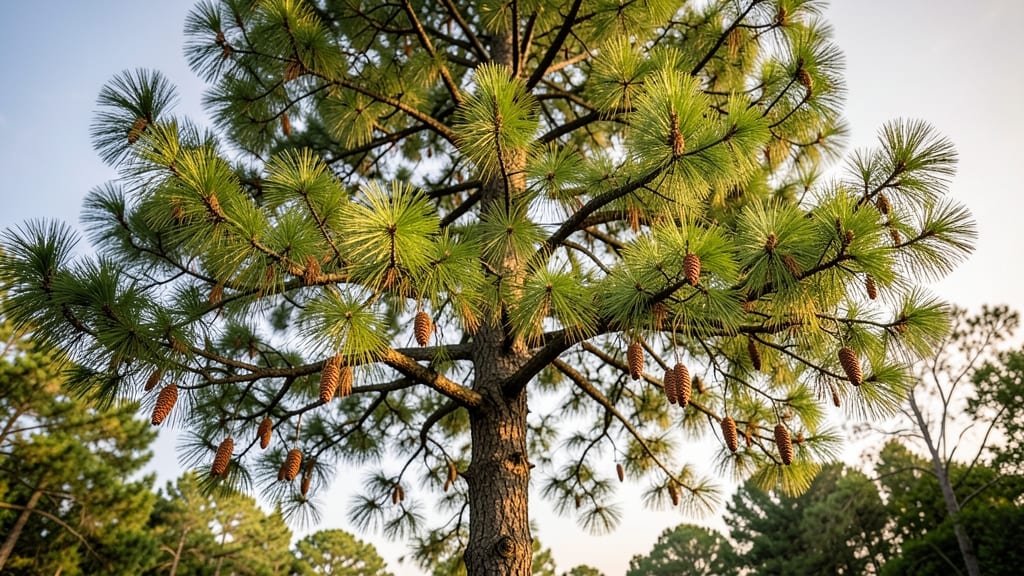
If you're looking for a fast-growing pine tree that thrives in the humid Southeast, the loblolly pine delivers—with its signature bright green, three-needle clusters and medium-sized cones that add texture to any landscape.
This adaptable tree grows 3-5 feet per year, making it ideal for windbreaks or timber production. Its short, flexible needles (2–5 inches long) stay vibrant year-round, while the smooth-scaled cones (2–5 inches) add a natural, rustic touch. Plant it in full sun with well-drained soil, and watch it establish quickly—even in challenging conditions.
Perfect for homeowners in the southeastern U.S. or those seeking a low-maintenance evergreen, loblolly pines also support wildlife like songbirds and squirrels. 🌟
Jack Pine Needle Structure and Cones
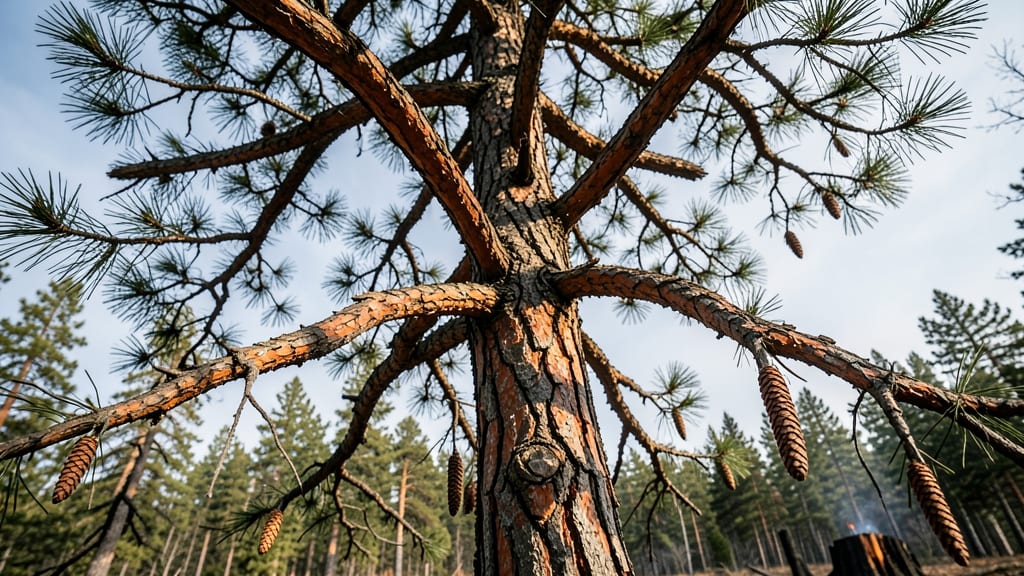
If you’ve ever walked through a northern forest and spotted twisted, two-needle clusters clinging to branches, you were likely looking at a Jack Pine (Pinus banksiana). This hardy tree thrives where others falter, thanks to its serotinous cones—cones that stay tightly closed until a wildfire forces them open, ensuring new growth in fire-prone ecosystems.
The stiff, twisted needles (2 per bundle) grow in pairs and can survive harsh winters, while the cones remain sealed with resin until heat triggers their release. This adaptation makes Jack Pines a keystone species in boreal forests, where they dominate landscapes from Canada to the northern U.S. Their resilience also makes them a great choice for wildlife habitats and rugged garden settings.
For gardeners in cold climates or those aiming to support native ecosystems, Jack Pines offer low-maintenance beauty with minimal care. Their unique survival strategy is a reminder of nature’s ingenuity. 🌟
Virginia Pine Needle Clusters and Cones
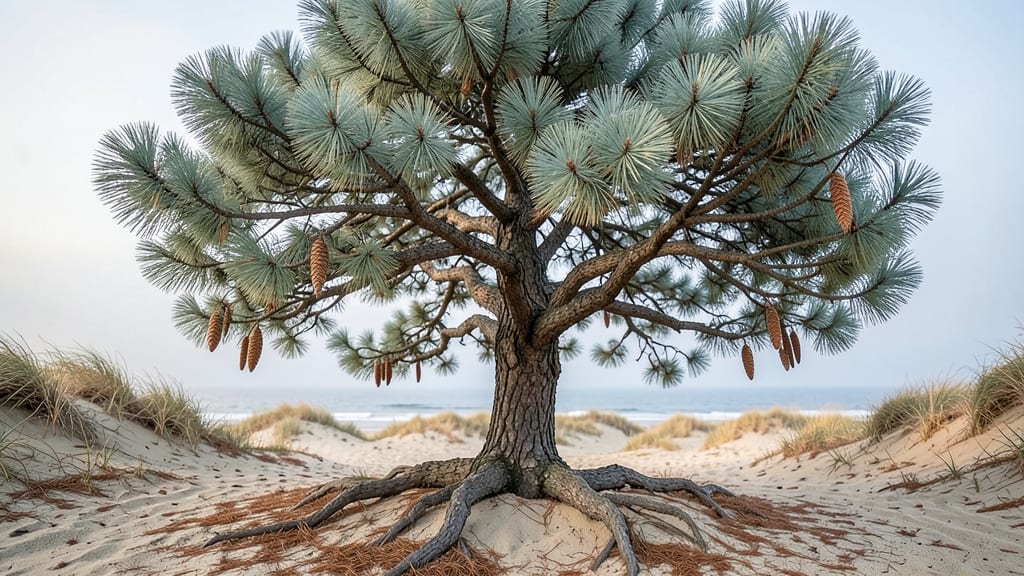
If you're looking for a pine tree that thrives where others struggle—especially in sandy soils or coastal wind zones—the Virginia pine (Pinus virginiana) is your go-to. Its soft, blue-green five-needle clusters and long, drooping cones make it stand out, while its deep root system helps stabilize soil and prevent erosion.
This adaptable tree grows best in full sun and tolerates poor, dry, or acidic soils, making it ideal for sandy beaches, dunes, or disturbed sites. The cones, which can reach 2-3 inches long, add a unique texture to landscapes, and the tree itself grows at a moderate pace (12-24 inches per year). It’s also a favorite for wildlife, providing shelter for birds and small mammals.
Gardeners in the Southeast or Mid-Atlantic regions will find this pine especially useful for coastal plantings or restoration projects. Its resilience and ornamental value make it a standout choice for both functional and decorative gardens. 🌻
Red Pine Needle Pattern and Cones
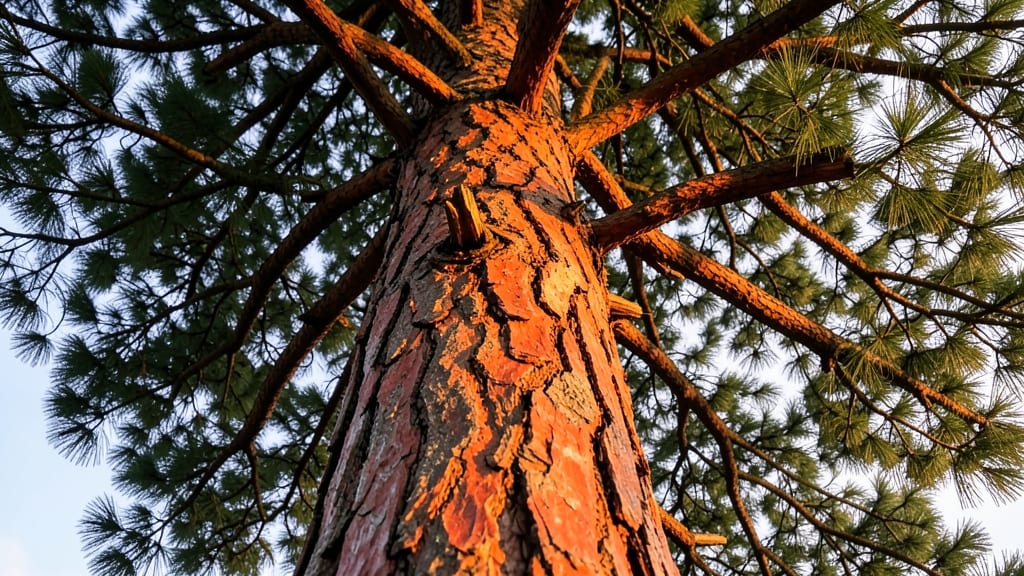
The Red Pine (Pinus resinosa) stands out in any landscape with its striking bright red-orange bark that deepens with age, creating a stunning visual contrast against dark green foliage. Unlike other pines, its stiff, two-needle clusters (3-5 inches long) grow in pairs that remain attached for 2-3 years, while its smooth, oval cones (2-4 inches) mature to a glossy brown—perfect for wildlife like squirrels and birds.
This tree thrives in full sun to partial shade and tolerates a wide range of soils, including sandy or rocky conditions, making it adaptable for urban gardens or naturalized woodlands. Prune in late winter to shape its pyramidal form while young, and expect a moderate growth rate of 12-24 inches per year. The bark’s vibrant hue also makes it a favorite for ornamental planting in parks and estates.
Gardeners in cooler climates (USDA zones 3-6) will appreciate its cold hardiness, while wildlife enthusiasts benefit from its cones that provide food and shelter. It’s a versatile choice for both aesthetics and ecosystem support. ✨
Shortleaf Pine Needle Arrangement and Cones
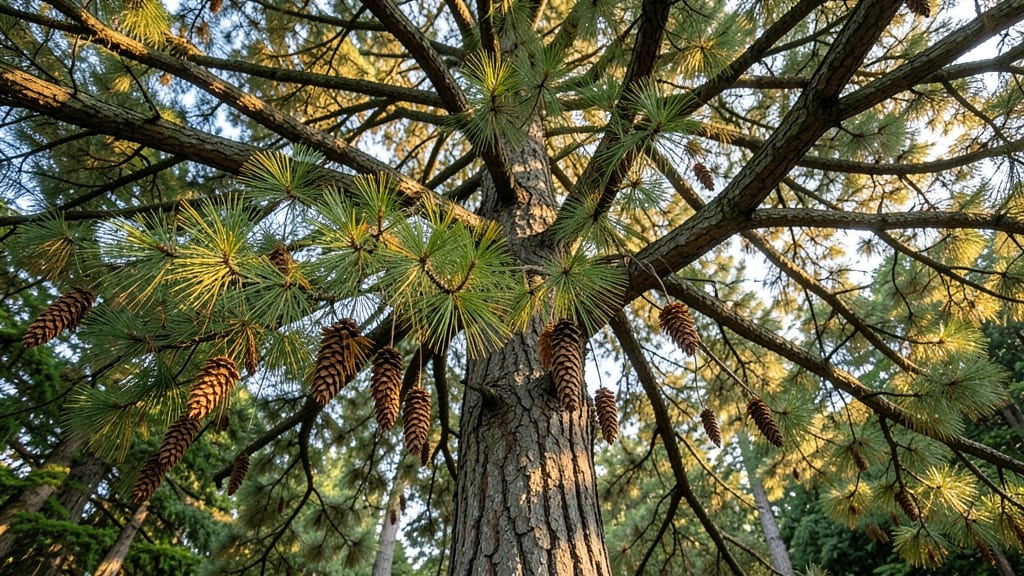
The Shortleaf Pine (Pinus echinata) is the unsung hero of Appalachian forests, where its short, sharp needles in bundles of three create a dense, textured canopy. Unlike other pines, its spiky cones (1.5–3 inches long) have sharp, prickly scales that make them stand out—perfect for crafting or wildlife habitats.
This fast-growing tree thrives in well-drained, acidic soils and tolerates drought once established, making it ideal for reforestation projects in the southeastern U.S. Plant in full sun for best growth, and expect 3–4 feet of height gain per year in optimal conditions. The needles’ sharpness deters deer browsing, a plus for gardeners in rural areas.
Forestry programs favor this pine for its quick establishment and ability to stabilize soil, while gardeners appreciate its low-maintenance nature. Perfect for those restoring native ecosystems or seeking a hardy, ornamental evergreen. 🌟
Bristlecone Pine Needle and Cone Features
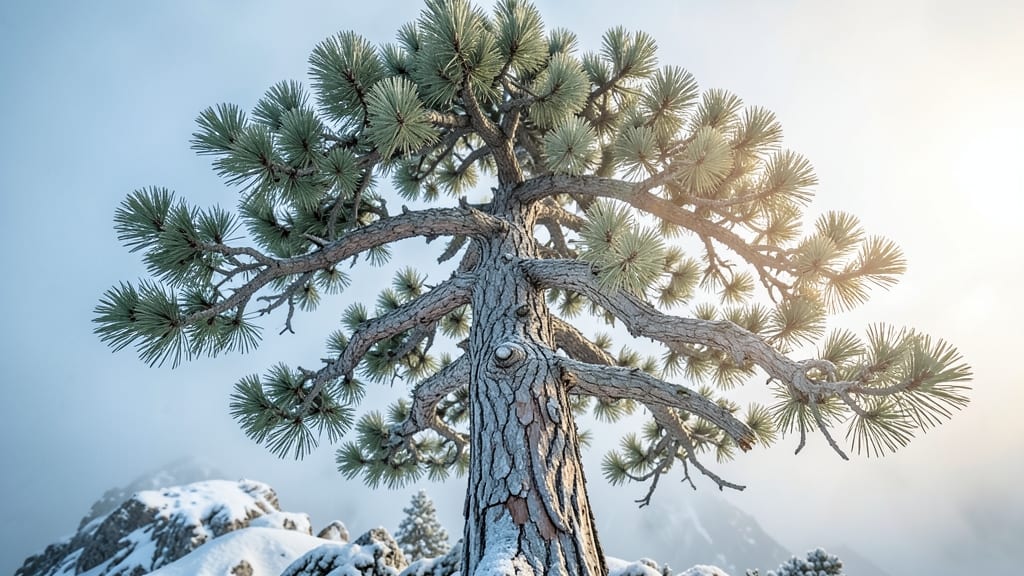
If you’ve ever seen a tree that looks like it’s been alive since the pyramids were built, you’re likely looking at a bristlecone pine. These ancient giants grow at a snail’s pace—some are over 5,000 years old—with short, stiff needles that cling to branches like armor against harsh winds. Their small, woody cones are another clue to their resilience, designed to survive extreme alpine conditions where few other plants dare to grow.
The gray-green needles (about 1 inch long) grow in clusters of five, but they’re far less flexible than those of other pines, adapted to withstand high-altitude deserts with minimal water. The cones are tiny—barely an inch long—and stay closed tightly until mature, protecting seeds from harsh winds. Planting one in your garden is a long-term commitment, but it’s a stunning statement piece for rocky, well-drained slopes where few other trees thrive.
Perfect for collectors of living fossils or gardeners with patience, bristlecone pines are a conversation starter. Their slow growth and hardiness make them ideal for drought-prone, high-elevation landscapes where most plants would struggle. 🌟
Pinyon Pine Needle and Cone Characteristics

If you're exploring edible landscapes, the pinyon pine (Pinus edulis) is a hidden gem with a dual purpose—beautiful foliage and nutrient-rich seeds. Unlike other pines, its small, round cones (just 1-2 inches wide) release edible seeds that have sustained desert communities for centuries.
The tree’s short, clustered needles (1-2 inches long) grow in bundles of two, creating a dense, bushy appearance perfect for arid climates. These drought-tolerant trees thrive in well-drained soils and full sun, making them ideal for xeriscaping or restoring desert ecosystems. Harvest cones in late fall when they’re dry and brittle—simply roast the seeds to remove the bitter resin before eating.
For gardeners in USDA zones 5-8, pinyon pines add both cultural value and wildlife benefits, attracting birds and small mammals. Their slow growth (12-24 inches per year) means they’re low-maintenance but long-lived—perfect for those who want a tree with history and heart. 🌱