
Pruning
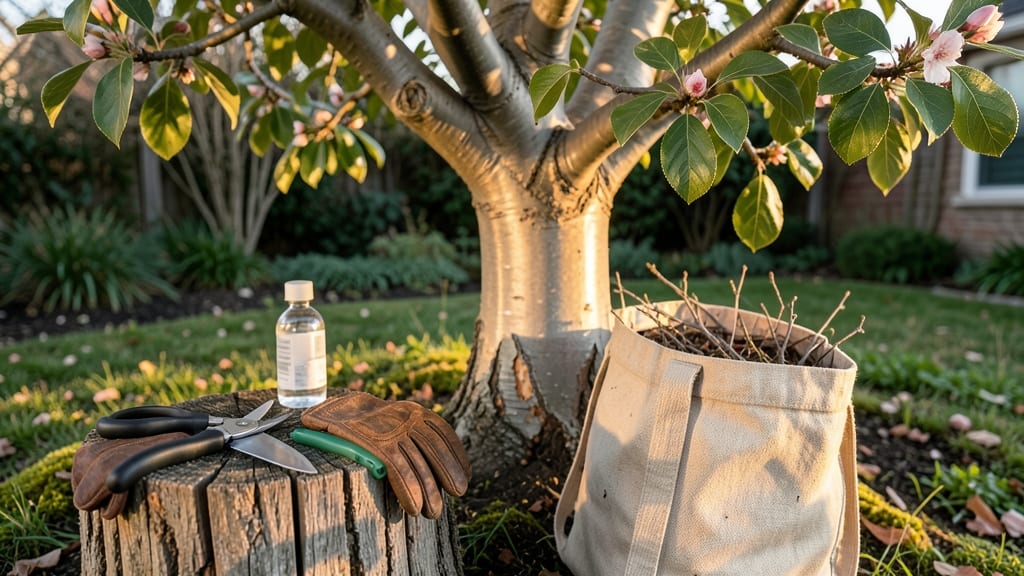
Pruning your peach tree in Texas isn’t just about shaping branches—it’s about fighting the heat, humidity, and pests that threaten fruit production every season. ✂️ I’ve spent years perfecting a schedule that keeps my trees thriving despite Texas’s brutal summers and fungal risks, and the difference in harvest size is night and day.
The key is timing: dormant-season cuts in late winter remove dead wood, while summer pruning (after harvest) thins branches to improve airflow—critical for preventing brown rot, the fungus that wipes out peach crops here. You’ll need sharp pruners, loppers for thicker branches, and a clean workspace to avoid spreading disease.
By mid-spring, you’ll see new growth where old wood once blocked sunlight, and those clusters of peaches will swell bigger than ever. The tree’s energy shifts from struggling with dense branches to producing juicier, sweeter fruit—the kind neighbors beg for at your front gate.
Works for both backyard orchards and container-grown trees, though larger varieties need more aggressive pruning. Here’s how to adapt the cuts for your specific peach variety and Texas microclimate—because not all peaches handle our heat the same way.
📚 In This Guide
- What you need
- Instructions
- Tips and common mistakes
- Wrapping up and next steps
What you need
- ● Pruning shears (bypass or anvil type) – Sharp, clean blades (2-4" cutting range) for small branches.
- ● Loppers – For branches ½" to 2" in diameter (bypass recommended for clean cuts).
- ● Pruning saw – For thick branches (2"+ diameter). Choose a curved-tooth saw for wood.
- ● Garden gloves – Durable, cut-resistant (e.g., leather or synthetic blend) to protect hands.
- ● Disinfectant (70% isopropyl alcohol or bleach solution) – 1 part bleach to 9 parts water to sterilize tools between cuts and prevent disease.
- ○ Pruning sealant (optional but helpful) – For large cuts (1"+ diameter) to prevent infection.
- ● Ladder or step stool – Sturdy, extendable (if tree is 6'+ tall).
- ● Tarp or drop cloth – To collect debris and protect landscaping.
- ● Rake or broom – For cleanup after pruning.
- ● Pole pruner – For high branches without climbing.
- ● Tree wound dressing – (Controversial but some gardeners swear by it!)
- ● Pruning paint – For sealing cuts (use sparingly—research shows mixed benefits).
- ● Safety glasses – To protect eyes from debris.
- ● Notebook & pen – To sketch a pruning plan or track progress.
Instructions for pruning peach trees in Texas
Here's the seasonal approach I've used for years to keep Texas peach trees productive and pest-resistant.
✂️ Step 1: Winter Pruning for Structure and Disease Prevention
Start in late winter, when the tree is fully dormant but before buds swell—typically January-February in Texas. Remove all dead, diseased, or crossing branches first using sharp pruning shears. I always cut just outside the branch collar where it meets the trunk to prevent unsightly stubs that invite rot.
Open the center of the tree to improve airflow and sunlight penetration. Texas peaches thrive with good air circulation, which reduces fungal diseases like brown rot. Aim to remove about 20-25% of the total canopy—never more than that in a single season. You'll see new growth emerge from the pruned areas by early spring, signaling successful pruning.
🌿 Step 2: Summer Pruning to Control Growth and Fruit Quality
After the tree finishes flowering but before summer heat peaks—around June-July—focus on shaping and thinning. Remove any suckers growing from the base and any water sprouts shooting straight up. These compete with fruit production and weaken the tree's structure.
Thin out crowded branches to improve fruit size and quality. Leave 6-8 inches of space between fruit clusters—this ensures each peach gets enough sunlight and air circulation. Watch for branches rubbing against each other and prune one of the conflicting branches. Summer pruning also helps prevent sunscald on young peaches by opening the canopy gradually.
⏰ Step 3: Post-Harvest Cleanup and Light Maintenance
After harvest, in September-October, do a final light pruning to remove any broken or storm-damaged branches. Remove all fruit mummies (dried, rotten fruit) from the tree and clean up fallen debris. This prevents overwintering pests and diseases that thrive in Texas's mild winters.
Inspect the tree for any signs of fire blight or bacterial canker, common in Texas peaches. Sterilize your pruning tools with rubbing alcohol between cuts if you encounter infected branches. A quick wipe-down prevents spreading pathogens to healthy wood. This final cleanup sets your tree up for strong, healthy growth next season.
☀️ Step 4: Year-Round Monitoring and Adjustments
Throughout the year, keep an eye out for branches growing at sharp angles—these are more prone to breaking under Texas's summer storms. Prune them back when you notice them. Also, remove any branches that grow directly inward toward the center of the tree, as they'll eventually choke the tree's growth.
I like to do a quick visual inspection every 4-6 weeks, especially after heavy rains or windstorms. Texas peaches respond well to consistent, light pruning rather than one heavy annual cut. The key is balance—never remove more than 25% of the canopy in any one season, and always prioritize airflow and sunlight penetration over aggressive shaping.
Tips & tricks for pruning Texas peach trees
Here's what nobody tells you about keeping your Texas peach trees thriving year-round—these insights come from years of trial and error in our heat and humidity.
Timing Secret: In Step 1, when pruning in January-February, check for the "eye test"—buds should still be tightly closed, like a tightly shut fist. If you see any swelling, you've waited too long. Texas's unpredictable winters mean you might need to prune twice if warm spells cause premature bud swelling. I've learned this the hard way after seeing new growth appear too early and get damaged by late frosts.
Branch Collar Technique: The branch collar is your friend in Step 1—never cut flush with the trunk. Look for that swollen area where the branch meets the trunk; it's nature's built-in protection against disease. If you cut too close, you create an open wound that invites rot. Use sharp pruning shears and make clean cuts just outside this collar, leaving a small bump. This technique prevents those unsightly stubs that become infection points.
Seasonal Airflow Strategy: Summer pruning in Step 2 isn't just about shaping—it's about creating a "breathing" canopy. When thinning branches, imagine sunlight streaming through the tree like rays. Leave those 6-8 inches between fruit clusters to prevent overcrowding, which leads to smaller peaches and more disease pressure. I've noticed that trees with proper spacing produce fruit that's 20-30% larger than crowded trees.
Tool Sanitation: In Step 3, when dealing with infected branches, sterilization isn't optional—it's critical. I keep a small bottle of rubbing alcohol in my pruning kit and wipe blades between every cut on diseased wood. This simple step has saved me from losing entire trees to bacterial canker. Don't skip it, even if the branches look "just a little" infected.
Pro Tips for Peach Tree Pruning Texas
- Here's what nobody tells you about keeping your Texas peach trees thriving year-round—these insights come from years of trial and error in our heat and humidity.
- Timing Secret: In Step 1, when pruning in January-February, check for the "eye test"—buds should still be tightly closed, like a tightly shut fist.
- Branch Collar Technique: The branch collar is your friend in Step 1—never cut flush with the trunk.
Frequently asked questions
Got questions about pruning your peach tree in Texas?
You’re not alone! Here are some of the most common concerns—and straightforward answers—to keep your tree thriving year-round.
When is the best time to prune a peach tree in Texas?
Prune late winter to early spring (just before buds swell) to avoid disease risks. A second light pruning after harvest (summer) helps shape the tree and improve airflow. Never prune in fall—it invites fungal infections. Texas’ mild winters may tempt early cuts, but wait until after the last frost for safety.
Can I prune my peach tree in winter if it’s not frozen?
While Texas winters are milder, avoid heavy pruning in cold snaps (below 40°F). Light shaping is okay, but major cuts stress the tree. Wait until dormant season (Jan–Feb) for best results. If you must prune in winter, do it on warm, dry days to minimize shock.
How much can I cut off my peach tree at once?
Never remove more than 25% of the tree’s foliage in one session. Peach trees are sensitive—aggressive pruning weakens growth and reduces fruit production. Focus on dead wood, crossing branches, and water sprouts first. Spread heavy pruning over 2–3 years if needed.
Why does my peach tree bleed sap after pruning?
Sap bleeding (especially in spring) is normal but can attract pests. To minimize it, prune on dry days and avoid cutting into large branches. Seal cuts only if the tree is young or in high-stress conditions (use pruning sealant sparingly). Most mature trees heal fine without it!
What if my peach tree has no leaves after pruning?
Don’t panic! If only a few branches are bare, they may still produce leaves later. However, if large sections are leafless, you may have over-pruned. Solution: Apply a balanced fertilizer (like 10-10-10) and water deeply. New growth should appear in 4–6 weeks if the tree is healthy.
Can I use hedge trimmers instead of pruning shears?
No—never use hedge trimmers
on peach trees! They cause ragged cuts that invite disease and pests. Instead, use sharp bypass pruners for small branches and a pruning saw for thicker limbs. Texas’ humidity makes clean cuts critical to prevent fungal infections like brown rot.
Pro tip: Label branches you remove with tape (e.g., “dead wood”) to track progress and avoid over-pruning!
Wrapping up and next steps
Pruning your peach tree in Texas isn’t just about aesthetics—it’s about health, productivity, and longevity! 🌳 By mastering seasonal cuts, you’ll encourage stronger growth, better fruit yield, and fewer pests. Whether you’re a seasoned gardener or just starting, remember: timing, technique, and tools are your best friends.
Ready to give your peach tree the TLC it deserves? Grab your pruners, mark your calendar, and start planning your next pruning session! Your tree—and your future harvests—will thank you. 🍑✨