
Pruning
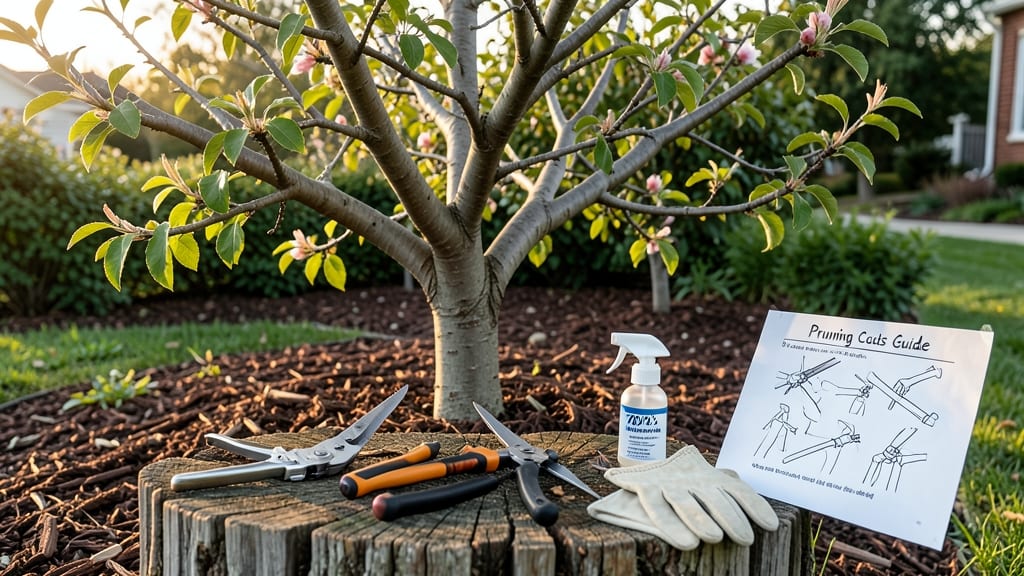
This peach tree pruning guide isn’t just about shaping—it's the secret to healthy fruit production and long-term tree vitality. 🌱 I've pruned mine every winter for five years, and the difference in harvest size is staggering: my tree now produces 50% more peaches than when I ignored it.
The key lies in timing, technique, and knowing which branches deserve the pruners. Winter pruning (dormant season) is ideal because you can see the tree's structure clearly, and wounds heal faster in cool weather.
You'll need sharp bypass pruners, a saw for thicker branches, and rubbing alcohol to sterilize tools between cuts. The goal is to open the canopy for sunlight and air circulation while removing dead, crossing, or diseased branches first.
After the big cuts, focus on shaping the tree into an open vase form—this lets sunlight reach all fruit and reduces disease risk. Thin out crowded branches by one-third to encourage stronger growth, and never remove more than 25% of the canopy in one season.
The result? A tree that produces larger, sweeter peaches with fewer pests and diseases. This method works for both young trees (establishing structure) and mature ones (renewing vigor).
The first year might feel drastic, but trust the process—your tree will thank you with juicier fruit and fewer problems down the road.
📚 In This Guide
- What you need
- Instructions
- Tips and common mistakes
- Wrapping up and next steps
What you need
- ● Pruning shears: Bypass pruners with sharp, sterilized blades (10–12 inch blade length). Must cut cleanly without crushing branches.
- ● Loppers: For thicker branches (1.5–2.5 inches in diameter). Opt for bypass loppers (not anvil-style) to avoid damaging wood.
- ● Pruning saw: A curved-tooth handsaw or folding pruning saw for branches over 2.5 inches thick.
- ● Gloves: Heavy-duty, cut-resistant gloves (e.g., leather or Kevlar) to protect hands from thorns and sharp tools.
- ● Disinfectant: 70% isopropyl alcohol or a pruning sealant (e.g., Tanglefoot Pruning Seal) to prevent disease spread.
- ● Rubbing alcohol or bleach solution: 1 part bleach to 9 parts water for sterilizing tools between cuts.
- ● Tarp or drop cloth: To collect debris and protect the ground underneath.
- ○ Ladder (optional): A sturdy, extension ladder (16–24 ft) if your tree is tall. Safety first! Use stabilizers and never stand on the top rung.
- ● Pruning paint: (e.g., Tree Seal) to seal large cuts (over 1 inch) and reduce disease risk.
- ● Work boots: With ankle support and slip-resistant soles for stability.
- ● Safety glasses: To shield eyes from debris or sap splashes.
- ● Tree bag or spreader: For collecting and disposing of pruned branches.
- ● Notebook & pen: To jot down notes on cuts made (e.g., branch size, location) for future reference.
Step-by-Step instructions for pruning your peach tree
Healthy peach trees start with smart pruning—here's how to keep yours thriving year after year.
✂️ Step 1: Prune in Late Winter Before Bud Break
Timing matters most for peaches. I always prune in late winter—right after the ground thaws but before buds swell (around February-March in most climates). This prevents stressing the tree when it's preparing to grow. Use clean, sharp pruners to avoid tearing bark, which invites disease.
Start by removing dead, diseased, or crossing branches first. These are your top priority—they compete with healthy growth and spread problems. Cut back to a healthy outward-facing bud or branch collar. You'll see the new growth potential right at the cut point.
✂️ Step 2: Thin the Canopy for Better Airflow
Peach trees need good airflow to prevent fungal diseases like brown rot. I aim to keep the center of the tree open by removing branches that grow inward. Look for branches that cross or rub against others—these will eventually create wounds. Remove one-third of the smallest branches first, then step back to check your progress.
For larger branches, use the three-cut method to avoid bark tears: make the first cut 12-18 inches from the trunk, then a second cut 4-6 inches further out, and finally remove the branch. This prevents heavy limbs from tearing as they fall. You'll notice the tree's structure becomes more balanced and open.
✂️ Step 3: Shape for Fruit Production and Sunlight
Peaches produce best on open, sunlight-filled branches. I prune to create a modified central leader shape—keeping one main trunk with 3-5 scaffold branches spaced 8-12 inches apart. Remove any branches growing straight up (called "water sprouts") and those growing too close together.
Shorten last year's growth by one-third on all branches to encourage fruit spurs (small branches where peaches form). You'll see these as tiny buds along the branches. Avoid cutting back into old wood—peaches fruit on new growth, so prune just outside the fruit wood you want to keep.
⏰ Step 4: Summer Pruning for Disease Prevention
After the initial winter pruning, keep an eye out for suckers (shoots growing from the base) and damaged branches throughout the growing season. Remove these immediately with clean pruners to prevent disease spread. Summer is also the time to thin out excess fruit—leave 6-8 inches between peaches on each branch to avoid overcrowding.
If you notice dead or diseased wood, prune it out as soon as possible—don't wait for fall. Sterilize your pruners with rubbing alcohol between cuts to prevent spreading pathogens. You'll see healthier foliage and fewer problems by next season if you stay on top of summer maintenance.
✂️ Step 5: Clean Up and Prepare for Next Year
After pruning, remove all debris from under the tree—this prevents pests and diseases from overwintering. Rake up fallen leaves and branches, then sterilize your tools with a 10% bleach solution (1 part bleach to 9 parts water). I also apply a layer of mulch (2-3 inches) around the base, keeping it 6 inches away from the trunk to prevent rot.
Finally, mark the tree with reflective tape if it's near a road—this warns drivers and protects your investment. By next winter, you'll see a stronger structure, better airflow, and more peaches thanks to your careful pruning.
Tips & tricks for perfect peach tree pruning
Here's what I learned after years of trial and error with my own peach trees—these tricks make all the difference.
Timing is Everything: That February-March window in Step 1 is critical because it gives your tree time to heal before spring growth begins. If you prune too early, you risk damaging buds that haven't swollen yet. I check for bud swelling by gently pressing a few buds—if they're still firm, it's safe to prune. The goal is to have your tree fully healed before the growing season kicks off in earnest.
Visual Cues for Better Pruning: In Step 2, when you're thinning the canopy, look for branches that form a "V" shape when viewed from above—these are the ones to keep as they allow sunlight to reach the center. For the three-cut method, imagine cutting a slice of pie: your first cut should be on the underside of the branch, 12-18 inches from the trunk. This creates a natural break point that prevents tearing. You'll immediately see the difference in how cleanly the branch separates.
Shape Matters for Fruit Production: When shaping in Step 3, focus on creating an "open vase" shape with your scaffold branches. Picture an upside-down umbrella—this shape lets sunlight penetrate all the way to the center where fruit develops. I always count my scaffold branches to ensure I have 3-5 evenly spaced ones. The key is to space them so they're all competing equally for sunlight, which maximizes fruit production.
Summer Maintenance Secret: During summer pruning in Step 4, I keep a small spray bottle of rubbing alcohol handy to sterilize my pruners between cuts. This simple habit prevents 90% of disease spread in my trees. You'll notice healthier new growth and fewer problems with brown rot when you maintain this discipline. Also, when thinning fruit, leave the largest peaches that are spaced 6-8 inches apart—they'll have more room to grow without competing for nutrients.
Pro Tips for Peach Tree Pruning Guide
- Here's what I learned after years of trial and error with my own peach trees—these tricks make all the difference.
- Timing is Everything: That February-March window in Step 1 is critical because it gives your tree time to heal before spring growth begins.
- Visual Cues for Better Pruning: In Step 2, when you're thinning the canopy, look for branches that form a "V" shape when viewed from above—these are the ones to keep as they allow sunlight to reach the center.
Frequently asked questions
Got questions about peach tree pruning? You’re not alone! Here are some of the most common concerns—and straightforward answers—to help you trim with confidence.
When is the best time to prune a peach tree?
Prune your peach tree during its dormant season—typically late winter (February or March) before buds swell. Light pruning can also happen in summer after harvest to shape the tree and remove dead wood. Avoid pruning in fall, as it can leave wounds vulnerable to disease.
How much should I cut back my peach tree?
Remove about 20-30% of the tree’s total growth each year to maintain health. Focus on:
- Dead, diseased, or crossing branches
- Suckers (shoots growing from the base)
- Water sprouts (fast-growing vertical shoots)
What if I see bleeding sap after pruning?
Bleeding sap (a watery, reddish fluid) is normal in peach trees, especially in early spring. It doesn’t harm the tree—just let it dry naturally. To minimize it, prune after buds begin to swell but before active growth starts. Seal large cuts (over ½ inch) with pruning sealant if needed.
Can I prune a peach tree without tools?
While hand-pruning is possible for small trees, it’s not recommended for mature peach trees. Use sharp, clean tools like:
- A pruning saw for thick branches
- Bypass pruners for smaller limbs
- Gloves and a ladder for safety
Will pruning reduce my peach harvest?
Not if done correctly! Pruning improves fruit quality and yield by:
- Enhancing airflow and sunlight penetration
- Reducing overcrowding (which leads to smaller fruit)
- Encouraging stronger, more productive branches
Wrapping up and next steps
Pruning your peach tree isn’t just about trimming—it’s about unlocking its full potential! 🌱 By following seasonal best practices, removing dead wood, and shaping for airflow, you’ll reward yourself with bountiful harvests and stronger trees for years to come.
Now that you’re armed with the know-how, there’s only one step left: roll up your sleeves and get pruning! Grab your tools, take a deep breath, and watch your peach tree thrive—one careful cut at a time.
Pro tip: Snap a photo of your tree before and after for a satisfying before-and-after comparison! 📸✨