
Container Gardens
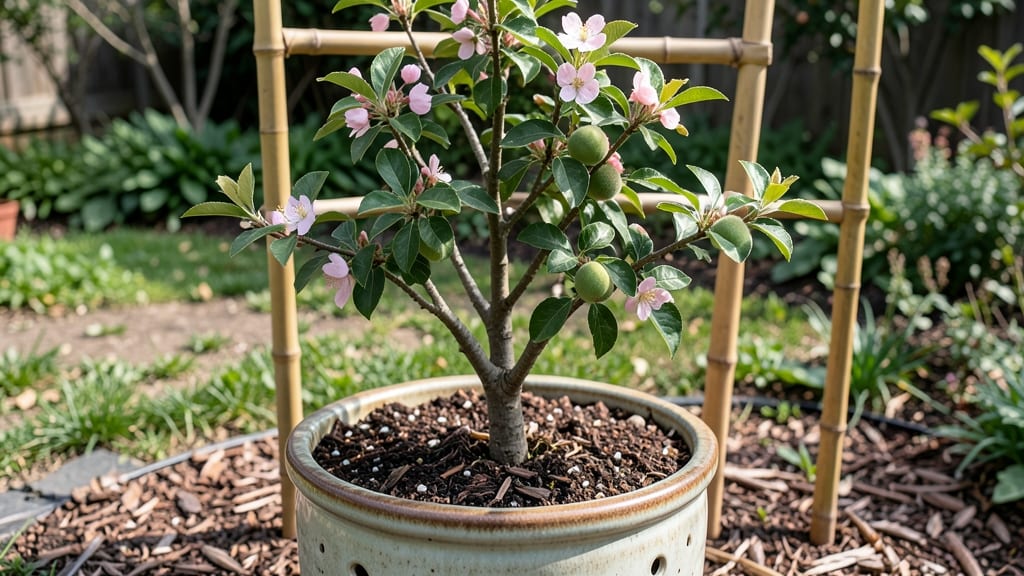
Your peach tree container size matters more than you think—5-gallon pots are the absolute minimum for dwarf varieties, but most growers regret going smaller than 15 gallons after just one season. 🌱 I learned that the hard way when my first peach tree's roots circled the pot like a caged animal, stunting its growth and fruit production.
The right container isn't just about size—it's about material too. Fabric grow bags prevent root circling better than plastic, while wood barrels add rustic charm but require more maintenance. Drainage holes are non-negotiable, and a saucer underneath saves your balcony from peach-pit puddles.
With the right setup, you'll watch your tree grow 3-5 feet tall in its first year and produce dozens of peaches by year three—even in a small space. The secret is upgrading containers every 2-3 years as roots outgrow them.
For balcony gardeners, dwarf varieties like 'Bonanza' or 'Bonanza Red' are your best bet—they stay manageable while still delivering sweet, juicy fruit. Just don't skimp on the soil mix; peaches crave well-draining, slightly acidic blends with extra organic matter.
📚 In This Guide
- What you need
- Instructions
- Tips and common mistakes
- Wrapping up and next steps
What you need
- ● Container: A dwarf peach tree variety (like ‘Bonanza’ or ‘Redhaven’) needs a pot at least 24–36 inches in diameter and 24–30 inches deep to support root growth. Self-watering containers are ideal for consistency!
- ● High-quality potting mix: 10–15 gallons of a well-draining, slightly acidic mix (pH 6.0–7.0). Avoid garden soil—it compacts and suffocates roots!
- ● Dwarf peach tree: Purchase a 1–2-year-old bare-root or potted dwarf variety from a nursery. Check for healthy buds and no signs of pests.
- ● Drainage layer: 2–3 inches of gravel, pebbles, or broken pottery at the bottom of the container to prevent root rot.
- ● Fertilizer: A balanced, slow-release fertilizer (10-10-10 or 8-3-9) or an organic option like composted manure. Follow label instructions for application rates.
- ● Support stake: A 5–6 foot wooden or metal stake (1–2 inches in diameter) to secure the young tree as it grows.
- ● Tie-down kit: Soft tree ties or fabric strips to gently attach the tree to the stake without damaging the trunk.
- ● Container saucer or tray to catch runoff and reduce mess.
- ● Mulch (like straw or wood chips) to retain moisture and regulate soil temperature.
- ● A thermometer to monitor soil temps—peach trees need warmth (60°F+) to thrive.
- ● Pruning shears for shaping and maintaining the tree’s size.
- ● Pest control: Neem oil or insecticidal soap for aphids or spider mites.
How to choose the right container size for growing peaches on a balcony
Balcony peach growing works—if you pick the right dwarf variety and container size first.
🪴 Step 1: Select a Dwarf Peach Variety Suitable for Containers
Not all peaches thrive in containers. Look for dwarf varieties like 'Bonanza', 'Flaming Gold', or 'Bonanza Red'—these stay under 6 feet tall when properly pruned. Check the rootstock type too; GF-677 or Lovell rootstocks are ideal for containers because they restrict root growth naturally.
Buy bare-root trees in early spring or container-grown specimens from specialty nurseries. Avoid standard-sized trees—even in large pots, they'll outgrow your space within two years. I always verify the mature height listed on the tag before purchasing, because some "dwarf" labels are misleading.
📏 Step 2: Choose a Container with Proper Dimensions
Minimum container size for peach trees is 18-24 inches in diameter and 24-30 inches deep. This gives roots enough space to establish without becoming root-bound. I use fabric grow bags for my balcony trees because they allow excess moisture to escape while still providing sturdy support.
If you're using traditional pots, ensure they have multiple drainage holes—peach roots rot quickly in soggy conditions. For four trees, you'll need four separate containers (one per tree) since peaches don't transplant well once established. Group them close together to simulate orchard conditions, but leave 12 inches between each pot for airflow.
☀️ Step 3: Prepare the Container with Well-Draining Soil
Fill the bottom 6 inches of each container with gravel or expanded shale for drainage. This prevents waterlogging, which is deadly for peach roots. Next, add a 3-inch layer of compost to provide organic matter and nutrients. The remaining space should be filled with a high-quality potting mix designed for fruit trees.
Mix in a slow-release fertilizer (10-10-10 ratio) at planting time to give the tree a nutrient boost. I like to add mycorrhizal fungi to the soil mix—this helps roots absorb water and nutrients more efficiently, which is critical for container-grown trees that have limited root space. Water the mix thoroughly before planting to settle it.
🌱 Step 4: Plant and Stake the Tree for Stability
Dig a hole in the center of the container twice as wide as the root ball but no deeper. Gently remove the tree from its nursery pot and loosen the roots if they're circling. Place the tree in the hole so the graft union (the bump where the scion meets the rootstock) sits 2-3 inches above the soil line. This prevents the rootstock from sending up unwanted shoots.
Backfill with the remaining soil mix, pressing lightly to remove air pockets. Install a stake or bamboo support and tie the main trunk loosely with soft gardening tape. Peach trees in containers are top-heavy and prone to tipping, especially when laden with fruit. Water deeply immediately after planting to help the roots settle into their new space.
✂️ Step 5: Prune and Train for Compact Growth
Prune the tree at planting to remove any dead, crossing, or weak branches, leaving only 3-4 strong scaffold branches spaced evenly around the trunk. This encourages a sturdy structure and better air circulation, reducing disease risk. In late winter, prune again to remove water sprouts and shape the tree for the coming season.
Train the main branches to grow outward rather than upward by tying them to the stake at a 45-degree angle. This creates a more stable, bushier tree that's better suited for container life. Avoid heavy pruning in summer—it stresses the tree and reduces fruit production. Instead, focus on light maintenance pruning to keep the tree within your balcony's height limits.
Tips & tricks for perfect balcony peach tree containers
A few key insights will help you avoid common pitfalls and maximize your balcony peach tree's success.
Variety Selection Matters: When choosing between 'Bonanza', 'Flaming Gold', or 'Bonanza Red', prioritize rootstock type—GF-677 or Lovell are non-negotiable for containers. I learned this the hard way after watching a tree with standard rootstock outgrow its pot in just one season. The rootstock controls how aggressively the tree grows, so never skip this detail when selecting your specimen.
Container Material Choice: Fabric grow bags offer superior moisture control compared to traditional ceramic or plastic pots. The breathable material prevents waterlogging while still providing the sturdy structure needed to support a top-heavy peach tree. If you must use traditional pots, opt for lightweight materials like resin—they're easier to move when watering and won't add unnecessary weight to your balcony.
Soil Layering Strategy: That 6-inch gravel layer at the bottom isn't just about drainage—it creates essential air pockets that peach roots need to breathe. I've seen roots rot within weeks when this layer is skipped. For the compost layer, use well-aged compost rather than fresh manure, which can burn tender roots. Think of it as creating a perfect vertical ecosystem within your container.
Pruning Precision: In Step 5, when you're pruning to leave just 3-4 scaffold branches, focus on creating an open center rather than a dense canopy. This improves airflow and sunlight penetration, which directly translates to better fruit quality. I mark my pruning spots with a pencil before making cuts—this helps me visualize the final shape and avoid over-pruning.
Pro Tips for Peach Tree Container Size
- A few key insights will help you avoid common pitfalls and maximize your balcony peach tree's success.
- Variety Selection Matters: When choosing between 'Bonanza', 'Flaming Gold', or 'Bonanza Red', prioritize rootstock type—GF-677 or Lovell are non-negotiable for containers.
- Container Material Choice: Fabric grow bags offer superior moisture control compared to traditional ceramic or plastic pots.
Frequently asked questions
Got questions about growing peach trees in containers?
You’re not alone! Here are answers to the most common concerns to help you grow a thriving peach tree in limited space.
What’s the ideal container size for a dwarf peach tree?
A dwarf peach tree needs at least a 15- to 20-gallon container (about 20-24 inches in diameter and depth). Larger containers (25+ gallons) provide better stability and root growth, especially for semi-dwarf varieties. Ensure the pot has drainage holes to prevent root rot.
When is the best time to plant a peach tree in a container?
Plant your peach tree in early spring after the last frost when soil temperatures are consistently above 60°F. This gives roots time to establish before summer heat. If planting in fall, do so at least 6-8 weeks before the first frost to allow for root development.
Can I grow a peach tree in a 5-gallon bucket?
No—a 5-gallon bucket is far too small for a peach tree. These trees need deep, nutrient-rich soil and space to grow. Even dwarf varieties will struggle in such tight quarters, leading to poor fruit production and stunted growth. Opt for a larger container (15+ gallons) for better results.
Why is my container-grown peach tree not fruiting?
Several factors could be at play: insufficient sunlight (peaches need 6-8+ hours daily), poor pollination (plant two trees or hand-pollinate), or nutrient deficiencies. Use a balanced fertilizer (like 10-10-10) in early spring and mid-summer, and ensure your tree gets full sun.
How often should I repot a peach tree in a container?
Repot your peach tree every 2-3 years or when roots start circling the container. Choose a pot 2-4 inches larger in diameter and refresh the soil with a high-quality potting mix. Prune crowded roots gently before repotting to encourage outward growth.
Wrapping up and next steps
Growing peaches in containers is totally doable—you just need the right peach tree container size and variety!
Whether you’re working with a cozy balcony or a small patio, dwarf or semi-dwarf peach trees thrive in pots, offering sweet rewards without the space. Start small, plan ahead, and soon you’ll be enjoying homegrown peaches with minimal fuss.
Ready to turn your container dreams into fruiting reality? Pick your variety, grab your supplies, and get planting! 🌱