
Pruning
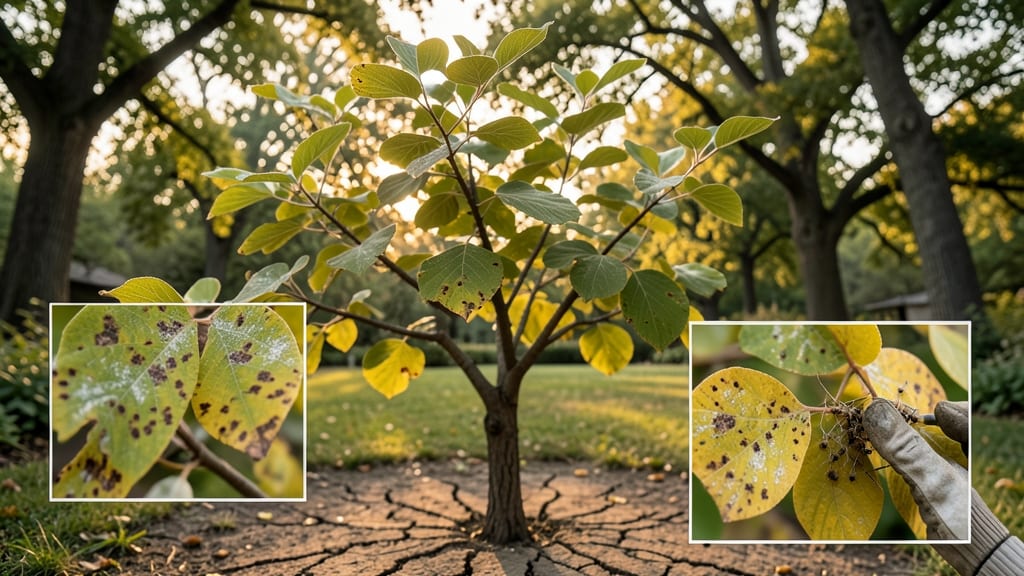
The oklahoma redbud tree problems turn my yard into a springtime explosion of pink, but even the hardiest ones face issues here—especially fungal diseases and spider mites that thrive in our dry heat. 🌸 I’ve watched my trees struggle with yellowing leaves, stunted growth, and even sudden dieback, and I’ve learned the early warning signs that save them every season.
The culprits are often powdery mildew from high humidity, aphids that drain sap, or root rot from too-frequent watering.
Oklahoma’s unpredictable rain and drought cycles make these problems worse, but the good news is that most issues respond to simple fixes—like pruning for airflow or applying neem oil at the first sign of pests. You’ll spot healthy redbuds by their glossy leaves, strong branches, and vibrant blooms.
A few minutes of inspection now can prevent major damage later, and I’ll show you exactly what to look for—plus how to act fast when you do. This guide covers the most common Oklahoma-specific problems, with step-by-step solutions that work even for beginners. Let’s get those trees thriving again!
Root Causes Behind Redbud Struggles
Oklahoma’s Cercis canadensis (redbud trees) are prized for their vibrant spring blooms and compact size, but like any plant, they’re susceptible to stress when conditions go awry. Understanding why these issues arise is the first step to restoring your tree’s health.
Below, we break down the most common culprits—from soil mismatches to seasonal extremes—with science-backed explanations and actionable insights.
Redbuds thrive in well-draining, slightly acidic to neutral soil (pH 6.0–7.5), but Oklahoma’s clay-heavy or alkaline soils often disrupt their needs. Here’s how soil problems manifest:
- Compacted or Waterlogged Soil:
Redbud roots are shallow and sensitive to poor aeration. Clay soils retain too much moisture, leading to Phytophthora root rot—a fungal disease that chokes roots by blocking oxygen exchange. Signs: Yellowing leaves, stunted growth, and roots that appear mushy or black when dug up.
- Why it happens: Oklahoma’s heavy rainfall and clay composition create anaerobic zones where beneficial microbes (like Trichoderma fungi) can’t thrive, weakening the tree’s defenses.
- Actionable fix: Amend soil with compost or coarse sand (20–30% by volume) to improve drainage. Avoid tilling, which can damage roots further.
- Alkaline Soil (pH > 7.5):
High pH locks out essential nutrients like iron, manganese, and phosphorus, causing chlorosis (yellowing leaves with green veins). Redbuds in Oklahoma’s limestone-rich areas are especially vulnerable.
- Why it happens: Alkaline conditions promote calcium carbonate buildup, which binds nutrients into insoluble forms. Even if fertilizer is applied, the tree can’t access it.
- Actionable fix: Test soil pH (use a local OSU extension kit) and apply elemental sulfur (1–2 lbs per 100 sq ft) to lower pH gradually. Repeat annually if needed.
Oklahoma’s extreme temperature swings, droughts, and urban pollution push redbuds beyond their comfort zone. These factors don’t just weaken the tree—they open the door for pests and diseases.
- Drought or Overwatering:
Redbuds prefer consistent moisture but hate soggy roots. Oklahoma’s erratic rainfall (dry summers, flash floods) confuses the tree’s water balance.
- Why it happens:
- Drought: Triggers abscisic acid (a plant stress hormone) that causes premature leaf drop and stunted flower buds.
- Overwatering: Promotes Pythium fungi, which rot roots by digesting cell walls (visible as brown, hollow roots).
- Actionable fix:
- Water deeply 1–2 times per week during drought (check soil 3” down—it should be damp, not wet).
- Install soaker hoses to deliver water slowly at the drip line (avoids runoff).
- Mulch with 3–4 inches of wood chips to retain moisture and regulate soil temp.
- Why it happens:
- Heat or Cold Shock:
Redbuds bloom early (February–March in Oklahoma), making them susceptible to late frosts or heatwaves above 95°F. Damaged flowers = fewer seeds and weaker growth the next year.
- Why it happens:
- Frost damage: Ice crystals rupture flower cell membranes, causing buds to turn black and drop.
- Heat stress: High temps denature enzymes in leaves, leading to scorch (brown, crispy leaf edges).
- Actionable fix:
- Plant redbuds in full sun but with afternoon shade (e.g., near a building or taller tree).
- Use row covers or a sprinkler system to protect buds during frost warnings (activate at 32°F).
- Avoid pruning in late winter—wait until after blooming to reduce stress.
- Why it happens:
Stressed redbuds become all-you-can-eat buffets for pests and pathogens. Here’s how these invaders exploit weaknesses:
| Problem | Why It Happens | Actionable Fix |
|---|---|---|
| Japanese Beetles (skeletonized leaves) | Adult beetles detect stressed trees via volatile organic compounds (VOCs) like jasmonic acid, which redbuds emit under drought or nutrient deficiency. |
|
| Powdery Mildew (white fungal coating) | Fungal spores (Erysiphe) thrive in high humidity + poor airflow. Oklahoma’s spring showers + hot days create the perfect storm. |
|
| Spider Mites (yellow stippling) | These microscopic pests multiply 10x faster in dry, dusty conditions (common in Oklahoma summers). They pierce leaves to suck sap, triggering ethylene gas production—which accelerates leaf drop. |
|