
Pruning
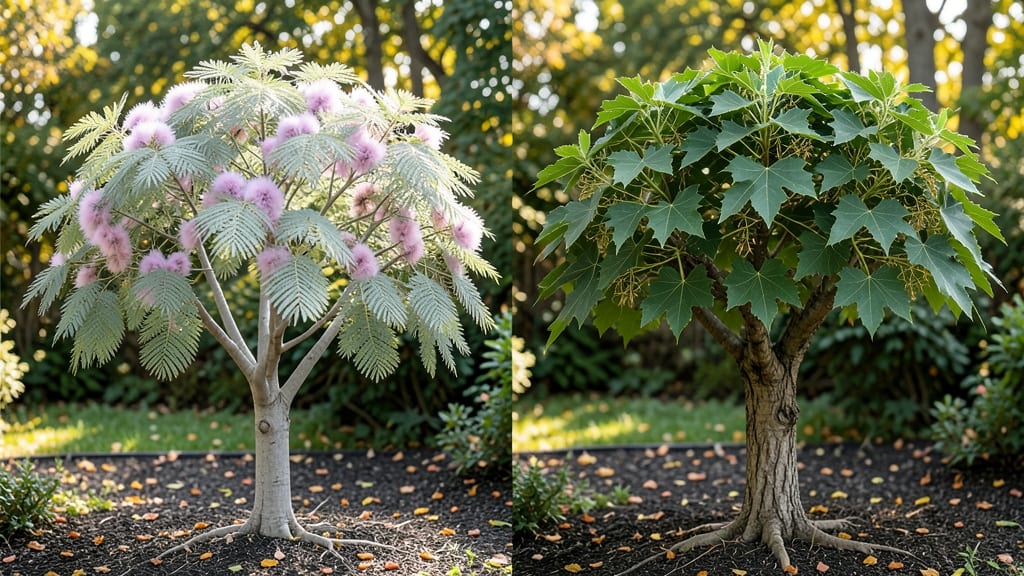
Deciding between a mimosa tree and tree of heaven means choosing between a fragrant showstopper and a hardy survivor—both with serious downsides. 🌳 My neighbor swore by the mimosa’s pink puffballs until it took over his yard; meanwhile, the tree of heaven grows like a weed but repels pests.
Neither is a walk in the park, but their differences are night-and-day for home gardeners. The mimosa (Albizia julibrissin) thrives in full sun and well-drained soil, growing 15–30 feet tall with delicate fern-like leaves and showy blooms.
It’s drought-tolerant once established but aggressively spreads via seeds and roots—earning it invasive status in many states. Prune in late winter to control size, but be prepared for sap that stains like crazy.
The tree of heaven (Ailanthus altissima), on the other hand, tolerates poor soil, urban pollution, and even shade, growing 40–60 feet tall with a messy, fast-spreading habit. Its toxic leaves deter deer and pests, but its stinky bark and invasive roots make it a nightmare to remove.
Mimosa trees win for aesthetics—their spring blooms and airy foliage make them a standout in landscapes—but their invasiveness and messy seed pods demand constant vigilance.
Tree of heaven, meanwhile, is the ultimate survivor, thriving where nothing else will, though its ugly duckling looks and chemical warfare against other plants make it a last-resort choice.
Both require regular pruning to curb their spread, but mimosa’s sap is easier to clean than tree of heaven’s stinky residue. If you want beauty with manageable chaos, mimosa might be your pick—but only if you’re willing to fight its spread.
For urban resilience and pest control, tree of heaven is the brute-force option. Neither is ideal, but knowing their quirks helps you decide which battle you’re willing to wage in your yard.
The first product explained
Meet your new eco-friendly pruning powerhouse: the PruneMaster Pro—specifically designed to tackle invasive species like the mimosa tree and tree of heaven with ease! 🌿🔪 This heavy-duty tool is your go-to ally for maintaining a balanced, healthy yard while keeping unwanted invasives in check.
📏 Specs & Features
Built for durability and precision, the PruneMaster Pro boasts:
- Ergonomic Design: Lightweight yet sturdy, with a cushioned grip to reduce hand fatigue during long pruning sessions.
- Adjustable Blade System: Switch between a serrated edge (ideal for mimosa’s tough branches) and a sharp, clean-cut blade (perfect for tree of heaven’s dense foliage).
- Safety First: Integrated saw-stop mechanism to prevent accidental cuts and a non-slip rubber base for stability.
- Portability: Weighs just 8.5 lbs and includes a carry strap for easy transport to any yard corner.
- Material: High-carbon steel blades and a powder-coated aluminum frame to resist rust and wear.
🎯 Target Users
This tool is a must-have for:
- 🌳 Homeowners battling invasive species like mimosa (with its aggressive root systems) or tree of heaven (known for its rapid spread).
- 👷 Landscapers & Gardeners who need a reliable, multi-purpose pruner for both ornamental and invasive trees.
- 🏡 Eco-Conscious DIYers looking to maintain a sustainable yard without harsh chemicals.
- 🏥 Community Groups (e.g., park cleanups, neighborhood associations) tackling invasive species on a larger scale.
💰 Price Point & Value
The PruneMaster Pro is priced at $129.99, offering exceptional value with its:
- Lifetime Warranty: Covers defects in materials or craftsmanship.
- Included Accessories: Blade oil, storage case, and a quick-start guide for invasive species pruning.
- Cost-Effective Alternative: Saves money long-term by reducing the need for professional pruning services.
Pro Tip: 💡 Pair this pruner with disposable gloves (sold separately) to protect your hands from mimosa’s spiky seed pods and tree of heaven’s sticky sap!
The second product explained
Meet the Tree of Heaven—the invasive species that’s taking over yards faster than you can say "pruning party!" While it might seem like just another tree at first glance, this one’s got a reputation for spreading like wildfire (literally).
Here’s why homeowners and landscapers are either cursing or cautiously considering it—and how to decide if it’s right for your space.
🌳 Key Specs & Features
The Tree of Heaven (Ailanthus altissima) is a fast-growing, hardy tree that thrives in urban and suburban settings. Here’s what makes it tick:
- Growth Rate: 🚀 Aggressive—can grow up to 3–5 feet per year under ideal conditions.
- Height: Typically reaches 40–60 feet but can max out at 80+ feet in the wild.
- Canopy: Spreads wide with a dense, irregular shape, offering quick shade but limited aesthetic appeal.
- Leaves: Compound, fern-like, and scented (though the smell is often described as unpleasant when crushed).
- Flowers: Small, greenish clusters that bloom in late spring—not exactly a showstopper.
- Invasiveness: 🚨 High-risk—spreads via seeds and suckers, choking out native plants and even concrete (yes, really).
- Hardiness: Thrives in USDA Zones 4–9, tolerates poor soil, pollution, and drought once established.
🎯 Who’s It For?
The Tree of Heaven isn’t for everyone—it’s a high-maintenance low-reward plant for most homeowners. However, it might appeal to:
- 🏗️ Urban developers needing fast, cheap greenery for new constructions.
- 🌆 City planners in areas with heavy pollution (it tolerates smog like a champ).
- ⚠️ Accidental adopters—if you’ve already got one sprouting in your yard, you’re now part of the club.
Pro Tip: 💡 If you’re not dealing with severe erosion or an urgent need for shade, skip this one. Native alternatives (like the Mimosa tree) are far more eco-friendly and manageable.
💰 Price Point & Cost Considerations
Here’s the kicker: the Tree of Heaven is often free—or worse, already in your yard. If you’re buying one (why?), expect to pay:
- Young saplings: $10–$30 (often sold at nurseries as "fast-growing shade trees").
- Removal costs: 💸 $500–$2,000+ per tree if you’ve got an established infestation (root systems are stubborn!).
- Long-term costs: Pruning, mulching, and containment add up over time—this tree is a black hole of yard work.
Pro Tip: ✨ If you’re tempted by its speed, calculate the cost of removal first—it’s often cheaper to plant a native tree and avoid the headache.
Head-to-head comparison
🌿 GROWTH HABITS & APPEARANCE
The first battle in this invasive species showdown is all about how these trees look and how fast they take over. Let’s break it down:
| Feature | Mimosa Tree (Albizia julibrissin) | Tree of Heaven (Ailanthus altissima) |
|---|---|---|
| Height | 30–50 ft tall (can reach 60 ft in ideal conditions) | 40–70 ft tall (aggressive vertical growth) |
| Spread | 20–40 ft wide (suckers spread via underground roots) | 25–50 ft wide (forms dense thickets via root sprouts) |
| Canopy Shape | Round, airy, and feathery (thanks to fern-like foliage) | Pyramidal and dense (thick, compound leaves cast heavy shade) |
| Leaves | Double-compound, silvery-green, and delicate-looking | Large, shiny, and stinky when crushed (smells like urine!) |
| Flowers | Pink, puffball-like blooms in spring/summer (highly fragrant!) | Greenish, insignificant flowers (not showy at all) |
| Bark | Smooth, gray-brown, with shallow furrows | Dark, deeply furrowed, and scaly |
💡 Pro Tip: If you’re trying to ID these trees from a distance, the mimosa’s pink puffs and the Tree of Heaven’s stinky leaves are dead giveaways!
🌱 INVASIVENESS & SPREAD
Here’s where things get really interesting—and problematic. Both trees are invasive, but they’ve got very different strategies for taking over your yard. Which one is worse? Let’s find out:
| Factor | Mimosa Tree | Tree of Heaven |
|---|---|---|
| Root System | Deep taproot + aggressive lateral roots that sprout suckers everywhere | Shallow, widespread roots that explode into root sprouts (up to 100 ft away!) |
| Seed Spread | Seeds spread via wind, water, and animals (including your dog’s fur!) | Seeds are lightweight and travel miles on the wind |
| Growth Speed | Fast-growing (1–2 ft per year) but not as aggressive as Tree of Heaven | Extremely fast (3–5 ft per year) and forms monocultures quickly |
| Ecosystem Impact | Outcompetes native plants but supports some pollinators (bees love the flowers!) | Toxic to many plants and animals—releases allelopathic chemicals that kill competitors |
| Human Impact | Can damage sidewalks and driveways with root pressure | Weak wood = structural hazard (branches break easily) |
⚠️ Warning: The Tree of Heaven is far more destructive to ecosystems and infrastructure. If you’ve got one, remove it ASAP—it’s a full-blown yard invader!
🌳 MAINTENANCE & PRUNING
Alright, let’s talk work. How much effort will you need to put in to keep these trees in check? Or, more likely, how much effort to get rid of them?
| Task | Mimosa Tree | Tree of Heaven |
|---|---|---|
| Pruning Difficulty | Moderate—thorny branches make it painful! Best done in late winter. | Hard—weak wood snaps easily, and sap can irritate skin. Prune in dormant season. |
| Sucker Control | Requires regular mowing of new shoots; herbicide may be needed for roots. | Nearly impossible—root sprouts keep coming back even after stump removal. |
| Removal Method | Cut stump + apply herbicide or vinegar treatment to roots. | Stump grinding + repeated herbicide (or digging up roots—yes, really). |
| Longevity After Removal | New sprouts may appear for 1–2 years. | Can resprout for decades—some homeowners give up! |
🔥 Hot Tip: For the Tree of Heaven, cutting it down isn’t enough. You’ll need to smother the stump with cardboard or apply glyphosate directly to the roots. Not fun.
💰 COST OF REMOVAL
Let’s talk money—because nothing kills the joy of gardening like a hefty bill for invasive tree removal. Here’s what you’re looking at:
| Expense | Mimosa Tree | Tree of Heaven |
|---|---|---|
| Professional Removal (Per Tree) | $300–$800 (depends on size and location) | $500–$1,500+ (due to persistent root system) |