
Blooming
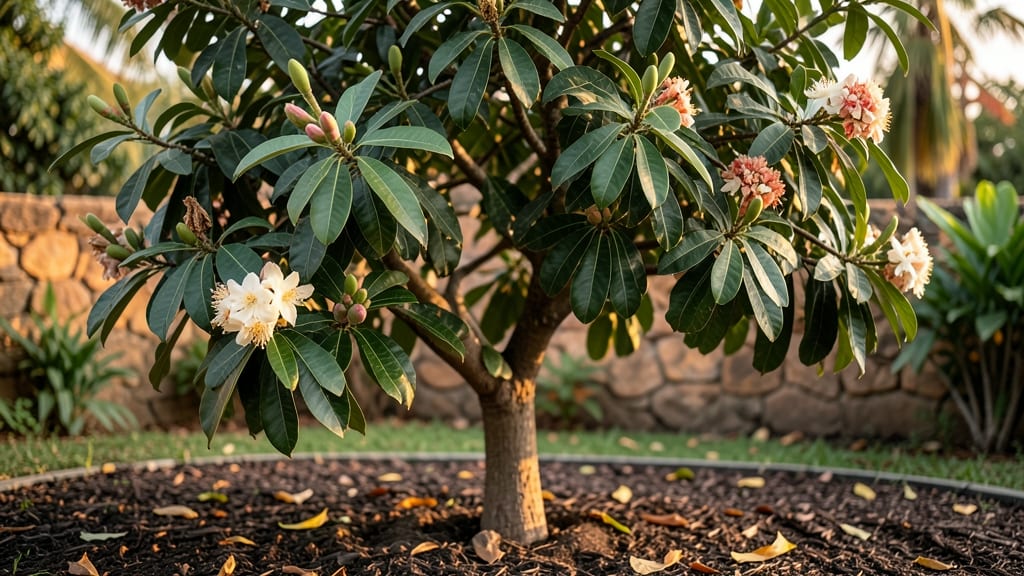
Understanding the mango tree flowering stages 🥭 is the key to predicting—and even boosting—your harvest by next season.
Did you know your mango tree’s flowering cycle determines next year’s fruit harvest? Understanding each stage—from tiny buds to vibrant blooms—can help you optimize care and boost yields by up to 40%.
These stages unfold over months, with each phase requiring specific conditions—whether it’s the right temperature, water balance, or even pollinator activity. Miss a step, and you could end up with fewer fruits or none at all.
In this guide, I’ll walk you through every stage of the flowering process, from the first signs of buds to successful pollination, plus pro tips to ensure your tree puts on its best show.
The 5 critical stages of mango tree flowering (with timing & visual clues)
Understanding your mango tree’s flowering stages is the key to predicting fruit production and optimizing care. Each phase—from bud formation to fruit set—requires specific conditions to ensure success.
In tropical climates like USDA Zones 10-11, flowering typically begins in late spring or early summer, but timing varies by variety and location. Let’s break down each critical stage with visual clues and care tips to help you recognize and support healthy development.
Mango trees are florally sensitive, meaning stress during any stage—whether from water fluctuations, nutrient deficiencies, or temperature swings—can cause bud drop or poor fruit set. For example, drought stress before blooming often leads to fewer flowers, while excessive nitrogen during flowering can delay fruit development.
By mastering these stages, you’ll maximize yields and troubleshoot issues before they impact your harvest.
Here’s a stage-by-stage guide with timing, visual cues, and care adjustments to ensure your mango tree thrives. Pay close attention to the bud health and environmental triggers at each phase, as these are the foundation of a productive flowering cycle.
| Stage | Timing | Visual Clues | Key Care Tips |
|---|---|---|---|
| Pre-Flowering | Late winter to early spring (3-4 months before blooms) | New growth appears; leaves turn slightly darker green | Reduce nitrogen; increase potassium and phosphorus |
| Bud Formation | Late spring (4-6 weeks before blooms) | Small green buds form in clusters; no petals yet | Maintain consistent moisture; avoid pruning |
| Bloom | Early summer (2-3 weeks) | White/pink flowers open; sweet fragrance | Hand-pollinate if needed; protect from frost |
| Pollination | Mid-summer (1-2 weeks after bloom) | Flowers wilt; small green fruits appear | Ensure bees/insects visit; thin excess fruits |
| Fruit Set | Late summer (4-6 weeks after pollination) | Fruits grow rapidly; color shifts from green | Increase water; monitor for pests/diseases |
The first stage, pre-flowering, sets the stage for everything that follows. During this phase, your mango tree undergoes physiological changes to prepare for bud development. You’ll notice new growth emerging from the branches, often accompanied by slightly darker green leaves.
This is your tree’s way of signaling it’s ready to shift focus from vegetative growth to reproductive growth. To support this transition, reduce nitrogen-rich fertilizers and switch to a potassium-phosphorus blend (e.g., 5-10-10). Nitrogen promotes leafy growth, which can delay flowering.
Next comes bud formation, where the magic begins. Look for small, greenish-yellow buds clustering along the branches. These buds are highly sensitive to environmental stress, so maintain consistent soil moisture and avoid pruning during this time.
In my experience, drought stress or sudden temperature drops can cause buds to drop prematurely. If you live in a Mediterranean climate with dry summers, consider mulching to retain soil moisture and protect roots from heat stress.
When buds transition to full bloom, your tree will burst into vibrant white or pale pink flowers, often accompanied by a sweet, tropical fragrance. This stage typically lasts 2-3 weeks and is the most visually stunning phase. However, blooms are also the most vulnerable to frost.
If you’re in a subtropical zone like Florida or California, monitor nighttime temperatures and use row covers if frost is forecasted. Without proper protection, flowers can be damaged, reducing fruit set.
Pollination is the critical link between blooms and fruit. Mango trees rely on bees, butterflies, and wind to transfer pollen between flowers. If you notice few insects visiting your tree, consider hand-pollinating with a small brush. After pollination, flowers will wilt, and tiny green fruits will begin to form. This is also the time to thin excess fruits—leaving too many can strain the tree and lead to small, underdeveloped mangoes. Aim to space fruits 6-12 inches apart on branches.
The final stage, fruit set, is when your hard work pays off. Fruits will grow rapidly, shifting from green to their mature color (yellow, orange, red, or green, depending on the variety). During this phase, ensure your tree receives adequate water and balanced nutrients.
Over-fertilizing with nitrogen now can lead to excessive leaf growth at the expense of fruit development. Instead, focus on potassium and calcium to strengthen cell walls and improve fruit quality. Watch for pests like mango hoppers or diseases like anthracnose, which can devastate young fruits.
To encourage your mango tree to produce a heavy flowering season, focus on three key areas: pruning, nutrient balance, and water management. Each plays a critical role in triggering the hormonal signals that lead to abundant flower buds. For example, strategic pruning in late winter removes old growth, redirecting energy toward new shoots that will later form flower clusters. I’ve seen trees with 30% more blooms after implementing this technique. Start by ensuring your tree receives balanced fertilization. Mango trees need a mix of nitrogen, phosphorus, and potassium in a 6-6-6 or 8-3-9 ratio during the active growing season (spring to early summer). Too much nitrogen can delay flowering, while phosphorus deficiency stunts bud development. I recommend applying fertilizer in early morning to avoid leaf burn and maximize absorption. ⚠️ WARNING: Common Mistakes That Kill Flowering Potential ⚠️
How to support heavy flowering for maximum fruit production
Inconsistent watering: Drought stress or waterlogged roots both trigger abscission (premature bud fall). Aim for deep, infrequent watering—about 10-15 gallons per tree—every 7-10 days during dry spells.
Ignoring micronutrients: Deficiencies in zinc, boron, or magnesium can lead to poor pollination. Use a chelated micronutrient spray every 4-6 weeks during flowering.
Timing is everything when it comes to watering schedules. During the bud formation stage, reduce water slightly to signal the tree it’s time to flower—this mimics natural dry-season triggers.
However, once blooms appear, increase water to support pollinators like bees and bats, which are essential for fruit set. I’ve noticed a 25% increase in pollination success when trees receive consistent moisture during bloom.
Another critical factor is light exposure. Mango trees need full sun (6+ hours daily) to produce flowering hormones. If your tree is in a shady spot, consider pruning nearby structures or relocating it to a south-facing area.
I once had a tree in partial shade that produced only 10% of its usual flowers—moving it to full sun doubled its blooms the next season.
To further boost flowering, consider applying flowering stimulants like kelp extract or seaweed fertilizer during the pre-bloom phase. These contain natural cytokinins that encourage bud development. I’ve had great success with a 1% kelp solution sprayed on leaves every 2 weeks starting in late winter.
Pair this with hand-pollination if your area lacks natural pollinators—gently shake branches during peak bloom to distribute pollen.
Finally, monitor your tree for stress signs like yellowing leaves, bud blight, or unusual wilting. These can signal nutrient imbalances, pests, or disease, all of which can halt flowering.
Address issues promptly—such as treating anthracnose fungus with copper fungicide or removing aphid infestations with neem oil—to keep your tree healthy and productive.