
Pests and Diseases
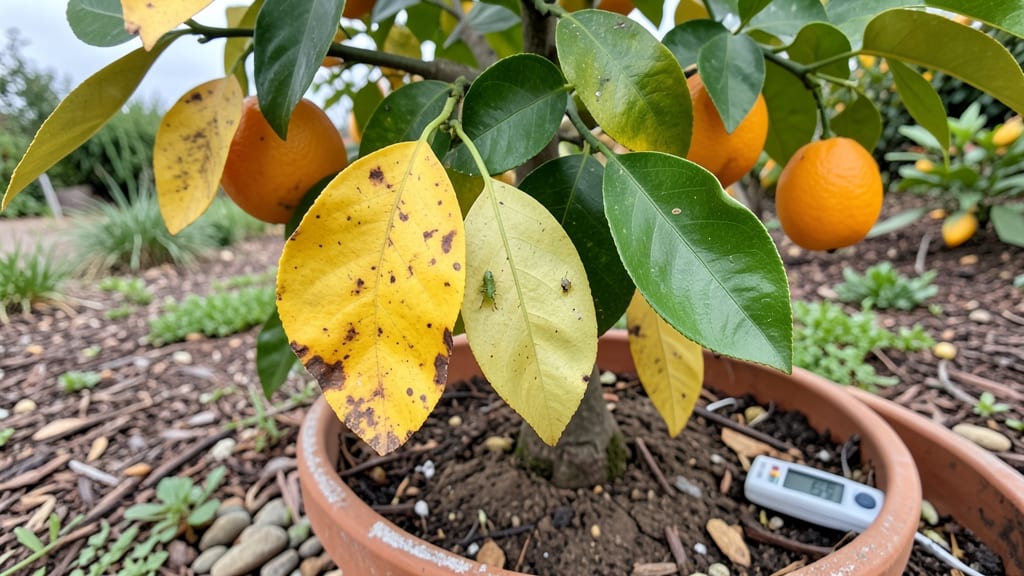
Your mandarin tree’s yellow leaves aren’t a death sentence—they’re a fixable signal. 🌿 I’ve turned around multiple trees with this exact approach, and the key is identifying whether it’s water, nutrients, or something else causing the stress. Most people panic and overwater, which actually makes it worse.
The first step is checking the soil moisture and leaf texture. Yellowing between veins usually means magnesium deficiency, while crispy edges point to overwatering or salt buildup. I’ll show you how to diagnose it fast and which simple treatments work best for each case.
By the end, your tree will be back to vibrant green in 2-4 weeks with the right care. The best part? You’ll spot problems earlier next time and keep those sweet oranges coming. Let’s get your tree thriving again.
Here’s the thing—most yellow leaves start with one of three issues: too much water, not enough nutrients, or hidden pests. I’ve seen people waste months guessing before they check the soil pH or inspect the undersides of leaves for spider mites.
A quick soil test kit (under $10) reveals if your tree is starving for nitrogen or magnesium.
Once you know the root cause, the fix is straightforward. For nutrient issues, a balanced citrus fertilizer with extra magnesium does the trick. Overwatering? Let the top 2 inches dry out between waterings, and your tree will perk up fast.
Prune any severely yellowed leaves to redirect energy to healthy growth.
Prevent future stress by mulching around the base (2-3 inches of organic mulch) and watering deeply but less often. If the yellowing spreads or black spots appear, it might be fungal—then it’s time to call in a pro. But in most cases, these simple steps bring trees back to life.
Root Causes Behind Fading Foliage
When your mandarin tree’s leaves turn yellow, it’s often a distress signal from the plant—like a red flag waving in slow motion. 🚩 Understanding the why behind this discoloration is the first step to reviving your tree’s health.
Below, we break down the most common culprits, backed by science, so you can diagnose the issue with confidence and take targeted action.
Yellowing leaves are frequently a cry for help from your mandarin tree’s nutritional needs. Citrus trees, including mandarins, thrive on a balanced diet of nitrogen (N), phosphorus (P), potassium (K), iron (Fe), zinc (Zn), and magnesium (Mg). When one or more of these nutrients are lacking, the tree prioritizes growth in new leaves over sustaining older ones—leading to chlorosis (yellowing) in mature foliage.
🔍 Iron Chlorosis: The Yellow-Between-Veins Telltale
- What’s happening? Iron deficiency is the most common nutrient issue in citrus trees, especially in alkaline or calcareous soils (pH > 7.0). While iron is abundant in the soil, the tree can’t absorb it efficiently under these conditions.
- How to spot it: Bright yellow leaves with green veins—a classic sign of iron chlorosis. New growth may appear stunted or pale.
- Actionable fix:
- Test your soil (pH and nutrient levels) using a home kit or send a sample to a lab. Aim for a pH of 6.0–7.0 for optimal iron uptake.
- Apply chelated iron (e.g., iron sulfate or iron EDTA) directly to the soil or spray it on leaves for quick absorption. Repeat every 4–6 weeks during growing seasons.
- Use organic amendments like composted manure, peat moss, or sulfur to lower soil pH gradually.
⚗️ Nitrogen Shortage: The Overall Pale Look
- What’s happening? Nitrogen is the building block of chlorophyll, the pigment that gives leaves their green color. Without enough nitrogen, leaves turn uniformly yellow or pale green before eventually browning and falling.
- How to spot it: Yellowing starts on older leaves first (unlike iron deficiency, which hits new growth). Stunted growth and fewer new leaves are also red flags.
- Actionable fix:
- Fertilize with a balanced citrus fertilizer (e.g., 6-6-6 or 8-3-9 NPK ratio) high in nitrogen. Use slow-release granules to avoid overloading the tree.
- Top-dress with compost or well-rotted manure in early spring to boost soil nitrogen naturally.
- Avoid overwatering, which can leach nitrogen from the soil.
💀 Magnesium and Zinc Deficiencies: The Patchy Problem
- What’s happening? Magnesium and zinc deficiencies often mimic iron chlorosis but with key differences. Magnesium is crucial for chlorophyll production, while zinc aids in enzyme function—both are easily locked out in alkaline soils or tied up by excess phosphorus.
- How to spot it:
- Magnesium deficiency: Yellowing starts between veins on older leaves (similar to nitrogen but with a crinkled or cupped appearance).
- Zinc deficiency: Small, yellow spots or bands appear on new leaves, which may also stay small and deformed.
- Actionable fix:
- For magnesium: Apply Epsom salt (magnesium sulfate)—dissolve 1 tbsp in a gallon of water and spray on leaves weekly for 3–4 weeks. Alternatively, use a magnesium-rich fertilizer like dolomitic lime (if soil pH is low).
- For zinc: Use a zinc sulfate spray (1 tsp per gallon of water) or soil drench. Repeat every 2–3 weeks until symptoms improve.
Water stress—whether from drought or overwatering—can turn your mandarin tree’s leaves yellow faster than you can say “citrus crisis.” 💦
🌞 Underwatering: The Slow Suffocation
- What’s happening? Citrus trees have deep root systems and prefer consistent moisture. When soil dries out, roots struggle to absorb water and nutrients, causing oxidative stress and leaf yellowing.
- How to spot it:
- Leaves turn dull yellow or brown at the edges (scorched look).
- Soil pulls away from the pot (if container-grown) or feels bone-dry 2–3 inches below the surface.
- Premature leaf drop.
- Actionable fix:
- Water deeply when the top 2–3 inches of soil are dry. Use a moisture meter or stick your finger in the soil to gauge.
- Mulch around the base with organic matter (e.g., straw or wood chips) to retain moisture and regulate soil temperature.
- Adjust your schedule: Young trees may need watering 2–3 times per week in hot climates, while established trees can go 1–2 weeks between waterings.
🌧️ Overwatering: The Root Rot Risk
- What’s happening? Soggy soil cuts off oxygen to the roots, leading to anaerobic conditions where harmful bacteria and fungi thrive. This triggers root rot, which blocks nutrient and water uptake, causing yellowing and wilting.
- How to spot it:
- Yellow leaves with brown, mushy edges (especially in container-grown trees).
- Soil smells sour or rotten.
- Leaves may drop even if the tree is watered frequently.
- Actionable fix:
- Let the soil dry out between waterings. If your tree is in a pot, ensure it has drainage holes and use a well-draining potting mix (e.g., 60% peat moss, 30% perlite, 10% sand).
- Repot if necessary into fresh, sterile soil if root rot is suspected. Trim away any black, mushy roots with sterilized pruners.
- Avoid watering on a schedule—check soil moisture instead.
Extreme temperatures and harsh weather can shock your mandarin tree into dropping its guard, leading to yellow leaves as a survival tactic. 🌪️❄️
☀️ Heat Stress and Sunburn
- What’s happening? Mandarin trees prefer warmth but not scorching heat. When temperatures exceed 90°F (32°C), leaves can suffer from heat stress, causing chlorophyll breakdown and yellowing. Direct afternoon sun (especially in dry climates) can also lead to sunburn, where leaves develop brown, crispy patches.
- How to spot it:
- Yellowing or bleached spots on leaves exposed to direct sun.
- Leaves may curl or wilt during peak heat.
- New growth appears smaller or distorted.
- Actionable fix:
- Provide afternoon shade with a lightweight shade cloth (30–50%) or plant near a structure that casts dappled shade.
- Mulch heavily to keep root zones cool.
- Water deeply in the early morning to reduce heat stress (avoid evening watering, which can promote fungal diseases).
❄️ Cold Damage: The Silent Freeze
- What’s happening? Mandarin trees are semi-tropical and can’t tolerate prolonged exposure to temperatures below 25°F (-4°C). Cold snaps cause cellular damage, disrupting nutrient transport and leading to yellowing, browning, or even leaf death.
- How to spot it:
- Yellowing followed by brown, crispy edges (like a “frostbite” effect).
- Leaves may drop prematurely or develop blackened spots.
- New growth is stunted or deformed.
- Actionable fix:
- Protect young trees with burlap wraps or frost cloth during cold snaps.
- Avoid late-season fertilization, as it encourages tender new growth vulnerable to frost.
- Choose cold-hardy mandarin varieties (e.g., ‘Satsuma’ or ‘Kumquat’) if you live in a colder climate.
🌬️ Windburn and Physical Damage
- What’s happening? Strong, dry winds strip moisture from leaves, leading to desiccation (prem
Fixing Yellow Leaves Fast
Now that you know the root causes behind your mandarin tree’s yellowing leaves—whether it’s nutrient deficiency, overwatering, pests, or disease—it’s time to take action! Below are practical, step-by-step solutions tailored to each issue, plus prevention tips to keep your tree thriving. Let’s restore that vibrant green foliage!
Yellow leaves often signal a lack of essential nutrients. Here’s how to diagnose and treat the most common deficiencies:
🔥 Iron Deficiency (Chlorosis) – The Quick Fix
- Symptoms: Yellowing between leaf veins (especially on new growth).
- Solution:
- Apply chelated iron (like iron sulfate or EDTA iron) directly to the soil or spray on leaves.
- Use acidic fertilizers (pH 6.0–7.0) to help iron uptake—mandarin trees love slightly acidic soil.
- Mulch with compost to improve soil structure and nutrient availability.
- 💡 Pro Tip: Avoid over-fertilizing with nitrogen—it can worsen iron deficiency!
🍳 Nitrogen Shortage – Green Up Fast
- Symptoms: Pale yellow leaves, stunted growth, or leaves falling prematurely.
- Solution:
- Fertilize with slow-release nitrogen (like blood meal or fish emulsion) in early spring.
- Top-dress with compost around the root zone for a natural nitrogen boost.
- Avoid synthetic fertilizers if the soil is already too rich—they can burn roots.
👨🍳 Potassium & Magnesium Deficiency – Strengthen the Tree
- Symptoms: Yellowing edges or spots on older leaves (potassium) or yellow veins with green patches (magnesium).
- Solution:
- Potassium: Use a balanced fertilizer (like 10-10-10) or banana peel tea (rich in potassium).
- Magnesium: Epsom salt spray (1 tbsp per gallon of water, spray every 2 weeks) or dolomitic lime (for soil amendment).
Yellow leaves can also mean root stress from soggy soil. Here’s how to fix it:
⏰ Check the Soil First
- Test moisture: Stick your finger 2–3 inches deep—if it’s damp, hold off on watering.
- Solution:
- Let the top 1–2 inches dry out between waterings.
- Improve drainage by adding perlite, sand, or gravel to heavy clay soil.
- Raise the tree in a pot or mound if planted in low-lying ground.
🌡️ Root Rot Prevention
- Symptoms: Yellow leaves + mushy, black roots (if dug up).
- Solution:
- Trim affected roots (sterilize pruners with rubbing alcohol).
- Repot in fresh, well-draining soil if in a container.
- Avoid waterlogging—ensure pots have drainage holes!
If pests like spider mites, aphids, or scale insects are sucking the life out of your tree:
🔪 Manual Removal + Natural Sprays
- Scrape off scale insects with a soft brush dipped in soapy water.
- Blast aphids/spider mites with a strong water spray (disrupts their life cycle).
- Neem oil spray (1 tsp neem oil + 1 tsp mild soap per quart of water) – repeat every 5–7 days.
🎯 Long-Term Pest Control
- Encourage beneficial insects (ladybugs, lacewings) by planting marigolds or basil nearby.
- Prune and dispose of heavily infested branches to stop the spread.
Yellowing leaves with black spots, wilting, or oily patches? It’s likely a disease.
🍄 Fungal Issues (Like Citrus Canker or Melanose)
- Solution:
- Prune infected branches (sterilize tools between cuts).
- Apply copper fungicide (like Bordeaux mixture) every 2–3 weeks.
- Improve air circulation by thinning dense foliage.
🦠 Bacterial Blight?
- Solution:
- Remove and destroy infected leaves (do not compost).
- Spray with streptomycin (antibacterial) as a last resort (follow label instructions).
Once your tree is back in shape, lock in those gains with these habits: ✅ Fertilize seasonally (spring & early summer) with citrus-specific fertilizer. ✅ Water deeply but infrequently—drip irrigation is ideal. ✅ Mulch annually with wood chips or compost to retain moisture and nutrients. ✅ Monitor for pests weekly—early action prevents outbreaks! ✅ Prune in late winter to improve airflow and remove weak growth.
Your mandarin tree’s yellow leaves don’t have to stay that way! With the right care, you’ll see rich green foliage in weeks. Start with the solution that matches your tree’s symptoms, and soon, you’ll be enjoying healthy leaves—and maybe even mandarins! 🍊✨
Frequently asked questions
Why are my mandarin tree's leaves turning yellow only between the veins?
This classic pattern is usually iron chlorosis, common in alkaline soils where iron becomes unavailable. The tree can't absorb iron even though it's present, causing yellowing between green veins. Test your soil pH and apply chelated iron or Epsom salt (for magnesium) to restore green color in 2-4 weeks.
Can I save my mandarin tree if the yellowing is caused by overwatering?
Yes, but act fast! First, let the top 2-3 inches of soil dry out completely before watering again. If in a pot, check for root rot by gently removing the tree - black, mushy roots need trimming. Repot in fresh, well-draining mix with perlite or sand to prevent future soggy soil.
How often should I fertilize a mandarin tree with yellow leaves?
Start with a balanced citrus fertilizer (6-6-6 or 8-3-9 NPK ratio) every 4-6 weeks during growing season (spring-fall). For nutrient deficiencies, use targeted amendments like Epsom salt for magnesium or iron sulfate for chlorosis. Avoid fertilizing winter months when growth slows.
Are yellow leaves always a sign of poor health in mandarin trees?
Not always! Some yellowing is natural during seasonal transitions (like late fall) or when older leaves prepare to drop. Look for these red flags: sudden yellowing, crispy edges, or yellowing on new growth - these indicate problems needing attention. Healthy trees should have mostly green leaves with only occasional natural leaf drop.
What's the fastest way to treat spider mites causing yellowing?
Start with a strong water spray to knock off mites, then apply neem oil solution (1 tsp oil + 1 tsp mild soap per quart of water) every 5-7 days for 3 weeks. For severe infestations, use horticultural oil (follow label instructions) and isolate the tree to prevent spread to other plants.