
Pruning
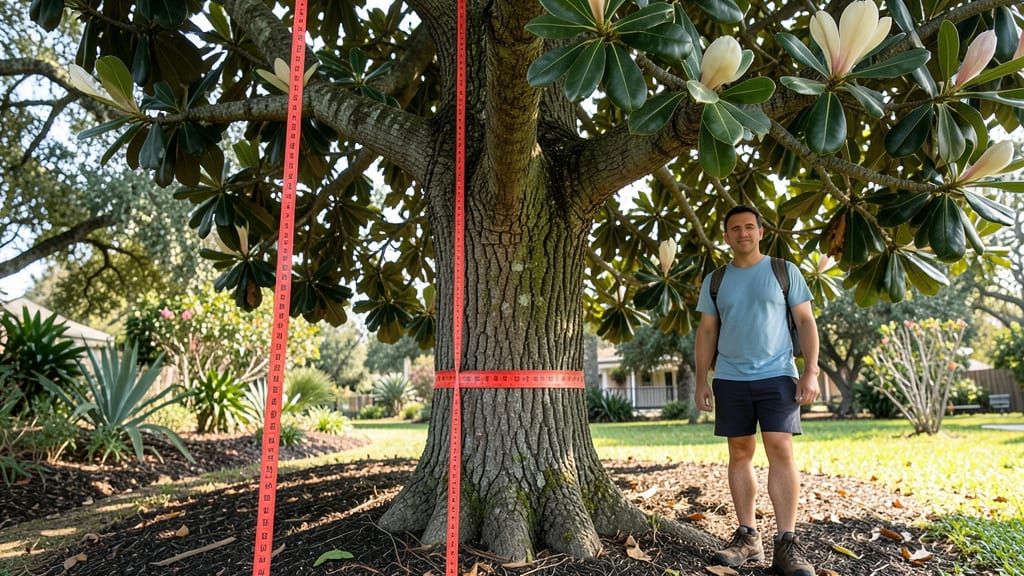
Knowing the height and width of a magnolia tree 🌸 is the key to fitting one into your garden without regrets—some varieties stretch to 80 feet, while others stay cozy under 10 feet.
Dreaming of a stunning magnolia tree but worried it’ll overwhelm your small garden? The right variety can give you fragrant blooms and lush foliage without sacrificing space—here’s how to choose wisely.
From towering Southern magnolias that need 30 feet of clearance to dainty star magnolias that thrive in tight corners, size matters more than you’d think. A single miscalculation could mean pruning headaches or blocked walkways for decades.
Below, I break down the mature dimensions of popular types, spacing tips to avoid crowding, and the best compact picks for patios, borders, or even containers—so you can enjoy that dreamy spring bloom without the space trade-off.

How tall and wide do magnolia trees grow? Key dimensions by variety
Choosing a magnolia tree often comes down to one key question: how much space will it need to thrive? Magnolias range from towering giants to compact beauties, and understanding their mature dimensions helps you plan your garden layout perfectly.
Whether you're designing a backyard focal point or a small-space patio garden, knowing these measurements ensures your magnolia will have room to flourish without crowding other plants.
The Southern magnolia (Magnolia grandiflora) is the classic giant, while Star magnolias (Magnolia stellata) stay petite. Even dwarf varieties like 'Black Tulip' or 'Little Gem' offer big blooms in tiny packages.
Let’s break down the height and width expectations for popular magnolia types so you can pick the perfect fit for your space.
If you’re working with a small garden, focus on varieties like 'Little Gem' or 'Black Tulip', which stay under 15 feet tall and 8 feet wide. These are perfect for patios or as accent plants near walkways.
Meanwhile, the Southern magnolia needs serious space—think of it as a statement piece for large properties where its 25-foot width can shine.
For medium-sized yards, the Saucer magnolia strikes a balance with its 20-foot height and 15-foot spread. Plant it 10–15 feet away from structures or other trees to avoid root competition.
Its vibrant spring blooms make it a standout, but give it room to grow—these trees can double in size over 20 years.
When planning, remember that width is often underestimated. A 20-foot-wide magnolia needs at least 15 feet of clearance on either side for airflow and light penetration.
If you’re planting near a fence or wall, opt for a narrower variety like 'Jane' or 'Royal Star', which max out at 12 feet wide. This ensures your tree won’t get root-bound or develop one-sided growth.
Another key factor is canopy spread. Even dwarf magnolias like 'Little Gem' can cast significant shade once mature. If you’re planting near sun-loving perennials or vegetables, position your magnolia on the north or west side of your garden to preserve sunlight for other plants.
For shade-tolerant companions, try hostas, ferns, or azaleas under its branches.
Pro tip: Measure your space twice before planting. Use a tape measure to mark the mature width of your chosen variety, then step back to visualize how it’ll look.
For example, a 20-foot-wide Saucer magnolia planted 5 feet from a sidewalk will leave just 15 feet of open space—enough for a small garden bed but tight for foot traffic. Adjust your planting spot to leave at least 3 feet of clearance for maintenance and airflow.
Finally, consider future growth. Magnolias are long-lived trees—some Southern
Best small-space magnolia trees for compact gardens (under 15 feet tall)
If you love the idea of magnolias but lack space for towering specimens, don’t worry—there are stunning dwarf and semi-dwarf varieties perfect for patios, balconies, and tight yards. These compact beauties deliver the same fragrant blooms and glossy foliage without requiring acres of room.
Let’s explore the best options that stay under 15 feet tall at maturity, making them ideal for small gardens.
Choosing the right variety means balancing height, width, and bloom time. Some stay under 6 feet, while others reach the upper limit of 15 feet but grow slowly.
I’ll highlight the top picks, including their mature dimensions, care needs, and best placement tips to help you create a showstopping focal point—even in limited space.
- 1 'Little Gem' Magnolia (Magnolia grandiflora):
- 2 'Black Tulip' Magnolia (Magnolia liliiflora):
- 3 'Jane' Magnolia (Magnolia × soulangeana):
- 4 'St. Mary' Magnolia (Magnolia stellata):
- 5 'Ann' Magnolia (Magnolia kobus):
Narrow pyramid shape, 15-20 ft tall but only 8-10 ft wide. Perfect for tight spaces with evergreen foliage and summer blooms.
Compact 8-12 ft tall and 6-8 ft wide. Stunning purple-pink flowers in early spring; thrives in partial shade.
Dwarf hybrid, 10-12 ft tall and 8-10 ft wide. Pink and white blooms in late winter; ideal for small patios or container growing.
Slow-growing, 10-12 ft tall and 6-8 ft wide. White star-shaped flowers in early spring; loves morning sun.
Compact 12-15 ft tall and 8-10 ft wide. Fragrant white blooms in late spring; great for small yards or foundation planting.
When selecting a variety, consider your garden’s sunlight conditions and available space. For example, 'Black Tulip' thrives in partial shade, while 'Little Gem' tolerates full sun if given consistent moisture.
Always check the mature width—some varieties spread wider than they grow tall, making them better suited for wide but shallow spaces.
To maximize their potential in small gardens, plant these magnolias near walkways or entryways where their blooms can be enjoyed up close. Pair them with low-growing perennials like hostas or ferns to define their base and create a layered look.
Regular pruning in late winter will encourage bushier growth and prevent overcrowding.
With the right variety and a little planning, you can enjoy the elegance and fragrance of magnolias—even in the smallest of gardens. These compact options prove that stunning trees don’t need a sprawling landscape to shine.