
Trees
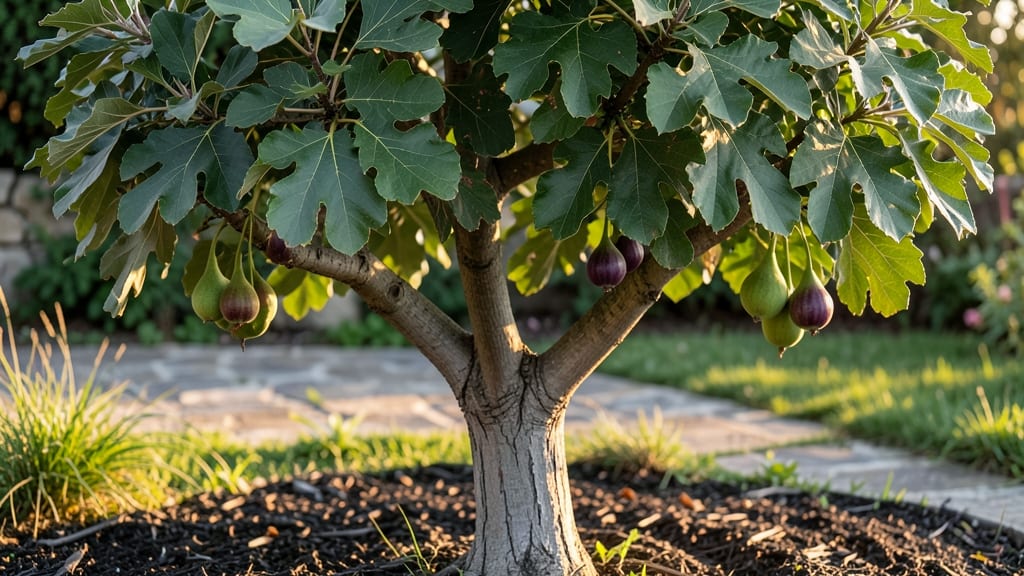
The height and width of a fig tree 🌳 can turn your garden into a lush Mediterranean retreat—or a tangled mess—depending on how you manage it.
Did you know a single fig tree can grow over 30 feet tall and spread 20 feet wide—but only if you let it? Mastering its size through smart pruning transforms this beauty into a manageable, productive centerpiece for your patio or landscape.
Fig trees thrive in Zone 6 and beyond, but their growth habits vary wildly by variety. Some stay compact, while others stretch skyward, and knowing the difference is key to planning your space.
In this guide, I’ll break down how height and width develop over time, the best pruning calendar to keep your tree in check, and how to avoid common mistakes that stunt growth.

Fig tree height and width growth patterns by variety and age
Understanding your fig tree's height and width growth patterns is essential for planning your garden layout. Without control, a Brown Turkey fig can reach 20 feet tall and 15 feet wide, while Celestial varieties stay more compact.
These differences aren't just about aesthetics—they impact fruit production, sunlight exposure, and even your tree's lifespan.
Fig trees grow differently based on their variety, age, and growing conditions. A container-grown fig will stay smaller than an in-ground tree, but both require strategic planning.
For example, Chicago Hardy figs grow 10-15 feet tall but spread only 8-10 feet wide, making them ideal for urban gardens with limited space.
Climate zones also play a critical role. In USDA Zone 8-10, figs grow aggressively, reaching mature size faster. However, in cooler zones (Zone 6-7), growth slows, and trees may stay smaller unless protected.
This means your first-year growth could be just 2-4 feet in cooler climates but 6-10 feet in warmer regions.
| Variety | Mature Height (ft) | Mature Width (ft) | Growth Rate (First 3 Years) | Best For |
|---|---|---|---|---|
| Brown Turkey | 20-30 ft | 15-20 ft | Fast (10-15 ft/year) | Large gardens, patios |
| Chicago Hardy | 10-15 ft | 8-10 ft | Moderate (5-8 ft/year) | Urban gardens, containers |
| Celestial | 8-12 ft | 6-8 ft | Slow (3-5 ft/year) | Small spaces, patios |
| Desert King | 15-20 ft | 12-15 ft | Fast (8-12 ft/year) | Arid climates, large yards |
| Little Miss Figgy | 6-8 ft | 4-6 ft | Slow (2-4 ft/year) | Containers, balconies |
If you're growing figs in containers, expect 30-50% smaller dimensions. A Brown Turkey in a 20-gallon pot might only reach 10-12 feet tall and 8-10 feet wide, while the same tree in the ground could double in size.
Container growth also slows after 3-5 years due to root restriction, so plan for eventual repotting if you want continued expansion.
Juvenile fig trees focus their energy on vertical growth first. In their first year, you'll see 2-4 feet of height gain, but minimal width expansion. By year three, however, lateral branches start spreading, adding 3-5 feet to the width.
This shift is why many gardeners prune aggressively in years 1-2 to encourage a bushier, more productive shape.
Climate zones directly impact how quickly your fig tree matures. In Zone 9-10, figs grow 2-3 times faster than in Zone 7.
For example, a Desert King in Southern California could reach 15 feet tall in just 3 years, while the same tree in Georgia (Zone 7b) might take 5-6 years. Always factor in your local frost
Year-round pruning calendar to control fig tree dimensions
Controlling your fig tree height and width starts with understanding seasonal pruning needs. Unlike many trees, figs respond best to structured pruning that balances growth and fruit production.
Winter is the ideal time for hard pruning to reset dimensions, while summer requires light shaping to maintain form without stressing the tree.
Your pruning strategy should align with your fig's mature size goals. A container-grown fig needs annual pruning to stay compact, while an in-ground tree may require heavy winter cuts every 2-3 years.
Always use sterilized pruning shears and cut at a 45-degree angle just above a leaf node to promote healing and new growth.
🌱 Visual Guide: Seasonal Pruning Comparison
| Season | Pruning Goal | Cut Type | Best Time | Tools Needed |
|---|---|---|---|---|
| Winter (Dec-Feb) | Reset height/width | Hard prune (25-50%) | Dormant season | Loppers, pruning saw |
| Early Spring (Mar) | Encourage new growth | Light prune (10-15%) | Before buds swell | Hand pruners |
| Summer (Jun-Aug) | Shape and thin | Selective cuts (5-10%) | After fruiting | Pruning shears |
| Fall (Sep-Nov) | Remove deadwood | Cleanup cuts (5%) | Before first frost | Hand pruners |
| Emergency | Storm damage | Remove broken limbs | Immediately | Pruning saw, gloves |
Winter pruning is your most aggressive opportunity to control fig tree dimensions. For container figs, cut back 30-40% of the previous year's growth to maintain compact size.
In-ground trees can handle 25-30% reduction—focus on removing crossing branches and suckers at the base to encourage an open canopy and better air circulation.
Summer shaping should be minimal—never remove more than 10% of the foliage at once. Target overcrowded branches or those growing inward to prevent fruit rot. Always prune after harvest to allow energy to redirect to next year's growth rather than fruit production.
For emergency pruning after storms, remove broken limbs immediately to prevent disease. Make cuts just outside the branch collar and seal larger wounds with pruning sealant to protect against pests. Avoid heavy pruning during peak heat (July-August), as this stresses the tree and reduces fruit set.
Pro tip: Mark your pruning calendar with moon phases—fig trees respond best when pruned during a waning moon for stronger root development and growing moon for above-ground growth. Pair this with regular watering after pruning to help the tree recover faster.