
Pruning
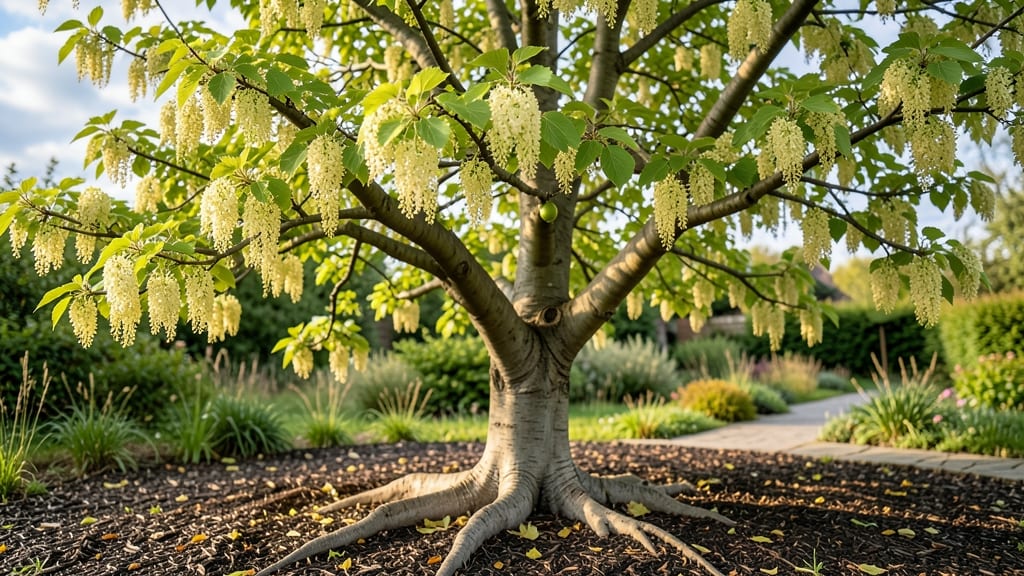
Spring is when your lime tree wakes up from winter—and the right pruning cuts can double your fruit harvest. 🌿 I’ve watched my Meyer lime tree go from sparse blooms to heavy fruit just by timing the cuts right and focusing on the right branches.
The key isn’t just cutting back; it’s shaping the tree to prioritize growth where it counts.
Start pruning after the last frost but before new leaves flush—usually late February to early April in most climates. Grab your sterilized pruners, a ladder (if needed), and a bucket of rubbing alcohol for cleaning cuts.
The goal is to open up the center of the tree for sunlight and air, which triggers more flowering. Cut back dead, crossing, or inward-growing branches first, then thin out crowded areas by removing one-third of the oldest growth to encourage new, fruiting wood.
You’ll see new growth within 4-6 weeks, and by summer, those cuts will translate to more blooms—and eventually, more limes. The tree will look fuller, healthier, and far more productive than if you’d skipped this step.
Plus, fewer hidden branches mean fewer places for pests to hide, setting you up for a pest-free season.
Works for Meyer limes, Persian limes, and even key limes—just adjust timing slightly for your zone. If you’re in a colder area, wait until mid-spring when nights stay above 40°F. Here’s how to do it without overcomplicating things.
📚 In This Guide
- What you need
- Instructions
- Tips and common mistakes
- Wrapping up and next steps
What you need
- ● Pruning shears: Bypass pruners (sharp, clean, and disinfected with rubbing alcohol or bleach to prevent disease). Choose a pair with ergonomic grips for comfort.
- ● Loppers: For thicker branches (½”–2” diameter). Opt for bypass loppers with a 20”+ reach for hard-to-access spots.
- ● Hand saw: Curved-tooth pruning saw for branches 2”+ in diameter. A foldable saw saves space in your toolkit.
- ● Gloves: Heavy-duty gardening gloves (nitrile-coated for grip and protection against thorns/spines). Bonus: long sleeves to shield from sun and scratches!
- ● Disinfectant: 70% isopropyl alcohol or a 10% bleach solution (1 part bleach to 9 parts water) to sterilize tools between cuts.
- ○ Pruning sealant: Tree wound sealant (optional but recommended for cuts larger than ½” to prevent disease entry). Look for water-based, non-toxic formulas.
- ● Ladder: Sturdy extension ladder (rated for 250+ lbs) with non-slip feet. A 3–4 ft. extension is ideal for most residential lime trees.
- ● Bucket or tarp: A 5-gallon bucket or heavy-duty tarp to collect pruned branches and debris.
- ● Water source: Hose with spray nozzle or watering can to hydrate the tree post-pruning.
- ● Safety gear: Safety glasses (to shield from debris) and earplugs (if using a chainsaw for very large branches).
- ● Tree pole pruners: For high branches—extends your reach up to 10+ feet without a ladder.
- ● Labeling tags: Waterproof plant markers to label pruned branches if grafting or propagating.
- ● Compost bin: For repurposing small branches and clippings into nutrient-rich compost.
- ● First-aid kit: Just in case! Include antiseptic wipes and bandages for minor cuts.
- ● Weather check: Prune on a dry, overcast day or in the early morning to avoid stressing the tree.
- ● Tree health assessment: Inspect the tree for diseases (e.g., citrus greening) or pests before pruning. Skip pruning if the tree is already stressed.
- ● Safety prep: Clear the area of tripping hazards and ensure the ladder is on stable, level ground.
- ● Know your tree: Confirm your lime tree’s variety (e.g., Meyer, Persian, Key lime) and age—young trees need lighter pruning!
Step-by-step instructions for lime tree pruning in spring
Here's how to strategically prune your lime tree for maximum blooms and fruit—without stressing the plant.
🌿 Step 1: Assess the Tree for Dead and Crossing Branches
Start by examining your lime tree for any branches that are dead, diseased, or crossing each other. Dead branches are easy to spot—they're brown, brittle, and don't have leaves. Diseased branches may have dark spots, mold, or unusual growths. Use sharp pruning shears to remove these first, cutting just outside the branch collar where it meets the trunk.
Crossing branches compete for sunlight and nutrients, weakening the tree. Look for branches that intersect at an angle less than 45 degrees. Remove the smaller of the two branches to maintain the tree's natural shape. Make your cuts at a 45-degree angle, about ¼ inch above an outward-facing bud. This encourages new growth in the right direction.
✂️ Step 2: Thin the Canopy for Better Air Circulation
Lime trees thrive when they receive plenty of sunlight and air circulation. Aim to thin the canopy by removing about 20-30% of the branches, focusing on the interior of the tree first. This opens up the center, allowing sunlight to reach the lower branches and fruit to develop evenly. Start at the top and work your way down, removing branches that are growing inward or downward.
Use your pruning shears to make clean cuts just above a leaf node or bud. Avoid leaving stubs, as they can invite disease. If you're dealing with larger branches (over ½ inch in diameter), use a pruning saw instead. Always make your cuts just outside the branch collar to prevent damage to the tree's healing tissue.
☀️ Step 3: Prune for Shape and Fruit Production
Now focus on shaping the tree to encourage fruit production. Lime trees produce fruit on new growth, so you want to promote vigorous, healthy branches. Start by removing any branches that are growing straight up—these are called "water sprouts" and don't contribute to fruit production. Instead, encourage horizontal branches by pruning vertical growth back to a lateral bud.
Next, trim back any branches that are overcrowding the tree or rubbing against each other. This reduces competition for resources and helps the tree focus its energy on producing fruit. Make sure to step back frequently to assess the tree's shape. Your goal is to create an open, vase-like structure that allows sunlight to penetrate to the lower branches.
💧 Step 4: Clean Up and Apply Wound Dressing (Optional)
After you’ve finished pruning, clean up the area by removing all fallen branches and debris. This helps prevent the spread of disease. If you notice any large cuts (over 2 inches in diameter), you can apply a wound dressing to protect the tree. However, many gardeners skip this step, as lime trees typically heal well on their own with proper care.
Water the tree deeply after pruning to help it recover. Mulch around the base of the tree with 2-3 inches of organic mulch, keeping it a few inches away from the trunk to prevent rot. This helps retain moisture and regulates soil temperature. Avoid over-mulching, as it can suffocate the roots and attract pests.
Tips & tricks for perfect spring lime tree pruning
Here's what I learned after years of trial and error with my own citrus grove—these tricks make all the difference for healthy, fruit-bearing trees.
Timing is Everything: Prune in late winter or early spring, just before new growth begins. This timing gives your tree time to heal before summer heat stress. I always aim for February to early March in most climates—just check your local frost dates to avoid pruning too early when cold snaps can still occur.
Tool Precision Matters: Never use dull shears or saws—they crush branches instead of making clean cuts. I invest in high-quality bypass pruners for branches under ½ inch and a sharp pruning saw for thicker branches. Always clean your tools with rubbing alcohol between cuts to prevent disease spread, especially when dealing with larger cuts.
Shape with Purpose: When shaping in Step 3, visualize sunlight penetrating to the center of the tree. I like to create a natural vase shape—wider at the top than the bottom—so lower branches get adequate light. Step back every few cuts to check your progress; you'll notice how much better the tree's structure opens up when you maintain this perspective.
Post-Pruning Care: The 2-3 inches of organic mulch mentioned in Step 4 is non-negotiable for me. I always use wood chips or straw, keeping it clear of the trunk. After pruning, I give my trees a deep watering with a slow-release fertilizer to help them recover. This combination has dramatically improved my fruit yields over the years.
Pro Tips for Lime Tree In Spring
- Here's what I learned after years of trial and error with my own citrus grove—these tricks make all the difference for healthy, fruit-bearing trees.
- Timing is Everything: Prune in late winter or early spring, just before new growth begins.
- Tool Precision Matters: Never use dull shears or saws—they crush branches instead of making clean cuts.
Frequently asked questions
about pruning lime trees in spring—because even citrus pros have questions! Here are answers to the most common ones to help you get started with confidence.When is the exact best time to prune my lime tree in spring?
The ideal window is after the last frost (when nighttime temps stay above 40°F/4°C) but before new growth flushes heavily—typically late February to early April in most climates. For tropical lime trees (like Meyer), aim for early spring (February–March). Avoid pruning during heatwaves or flowering, as it can stress the tree.
How much can I safely prune my lime tree without harming it?
Lime trees are resilient, but never remove more than 25% of the canopy in one session. Focus on dead, diseased, or crossing branches first, then lightly shape the tree. Over-pruning can reduce fruit production. Pro tip: Use a thinning cut (cutting back to the branch collar) for larger branches to promote faster healing.
Will pruning my lime tree in spring affect this year’s fruit harvest?
Pruning correctly in spring boosts fruit production by improving airflow and sunlight penetration. However, avoid heavy pruning during flowering (which can last 6–8 weeks). If you must prune during bloom, limit cuts to 10% or less of the canopy. Patience pays off—next year’s harvest will thank you!
What should I do if my lime tree’s branches bleed sap after pruning?
Sap bleeding (especially in citrus) is normal but can attract pests like ants. To minimize it:
- Prune on a cool, dry day (not humid).
- Use sharp, clean tools to avoid tearing bark.
- Apply pruning sealant (optional) to larger cuts.
- Keep the area clean to deter pests.
Can I use the same pruning techniques for a lemon tree or orange tree?
Yes! The core principles (removing dead wood, thinning for airflow, shaping for sunlight) apply to all citrus trees. However, lemon trees often need less aggressive pruning (they’re more sensitive to over-pruning), while orange trees can handle slightly heavier cuts. Always tailor pruning to the tree’s age and health—young trees need shaping, mature trees need rejuvenation.
What’s the worst mistake people make when pruning lime trees?
The top blunder? Topping the tree (cutting the main stem flat) or pruning too late in the season. Both stunt growth and reduce fruit. Another mistake: using dull tools, which crush branches and invite disease. Always:
- Cut at a 45° angle just outside the branch collar.
- Avoid leaving stubs.
- Sterilize tools between cuts with rubbing alcohol.
Wrapping up and next steps
Spring is the perfect time to give your lime tree the care it needs to thrive—and those juicy, fragrant fruits are well worth the effort! 🌿 With the right tools, timing, and techniques, you’ve got everything you need to prune for bountiful blooms and year-round harvests.
Now that you’re armed with knowledge, why not take action this weekend? Grab your pruners, step outside, and give your lime tree the love it deserves—your future fruit will thank you! Happy pruning! 🍋✨