
Blooming
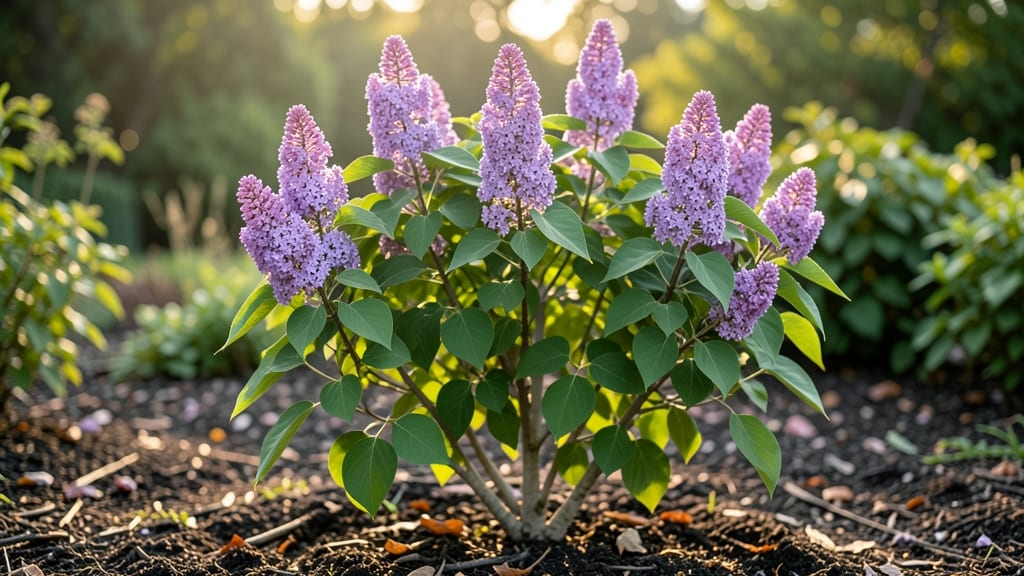
Lilac trees burst into bloom 3-4 weeks after last frost, transforming your yard into a fragrant springtime paradise. 🌸 I remember the first time I walked past my neighbor’s lilacs in full bloom—it smelled like childhood, like the first real warmth of spring.
The exact timing shifts slightly depending on where you live, but late April to early May is when most lilacs put on their best show in temperate climates. Climate plays a big role—warmer winters can delay blooming, while cooler springs bring them on earlier.
Pruning after flowering keeps them healthy and encourages bigger blooms next year. I learned this the hard way when I pruned too early and missed the entire season.
The key is patience and timing, and once you get it right, your lilacs will reward you with weeks of sweet, intoxicating scent. To make the most of their bloom time, pair them with early spring bulbs like daffodils or tulips.
The contrast of their colors and fragrances creates a showstopping display. After the flowers fade, light pruning keeps the tree tidy and sets the stage for next year’s blooms—no heavy-handed cuts needed.
Whether you’re admiring them from your porch or cutting branches for bouquets, lilacs are a low-maintenance, high-reward addition to any garden. Just give them space, good drainage, and a little attention after they finish blooming, and they’ll keep gifting you with fragrance for years.
📚 In This Guide
- What you need
- Instructions
- Tips and common mistakes
- Wrapping up and next steps
What you need
- ● Lilac tree: 1 healthy, dormant lilac tree (common varieties: Syringa vulgaris, ‘Katherine Havemeyer,’ or ‘Tinker Bell’).
- ● Size: 1–3 gallons (young trees) or 15+ gallons (mature trees).
- ● Planting supplies: High-quality soil mix: 50% native soil + 50% compost or peat moss (avoid heavy clay).
- ● 5–10 lbs of balanced fertilizer (10-10-10 or 20-20-20 NPK ratio).
- ● 1–2 mulch bags (3–4 inches of organic mulch like wood chips or straw).
- ● Pruning tools: 1 pair of bypass pruners (sharp, for clean cuts).
- ● 1 loppers (for thicker branches, 1.5–2 inches in diameter).
- ○ 1 pruning saw (for stubborn branches, optional).
- ○ 1 bottle of pruning sealant (optional, for large cuts > 0.5 inches).
- ● Safety gear: Gloves (gardening or work gloves).
- ● Safety goggles (if pruning near eyes or in windy conditions).
- ● Soil pH tester kit (ideal range: 6.0–7.0; adjust with lime or sulfur if needed).
- ● Slow-release granular fertilizer (for extended nutrient release).
- ● Tree stakes & ties (if planting in windy areas).
- ● Hose with nozzle attachment (for deep watering).
- ● Bird deterrent spray (if local birds love your lilac blooms!).
- ● Best planting time: Early spring (after last frost) or early fall (6–8 weeks before first frost).
- ● Bloom triggers: Full sun (6+ hours/day).
- ● Well-draining soil (avoid waterlogged areas).
- ● Consistent moisture (1–1.5 inches of water per week).
- ● Pruning window: Late winter (before buds swell) or early spring (after blooming).
How to time lilac tree blooms for maximum fragrance
Here's how I predict and extend bloom time for the most intoxicating spring display.
🌱 Step 1: Identify Your Lilac Variety and Planting Location
First, know your lilac type—early bloomers like 'Sylvia' open in late April, while late varieties such as 'Dwarf Korean' wait until June. Check your planting zone: lilacs thrive in hardiness zones 3-8, with full sun (6+ hours daily) being non-negotiable. I always verify my local last frost date because lilacs need 4-6 weeks of warm soil before blooming.
Look for established plants with healthy canes—those with 3-5 years of growth produce the most abundant flowers. If your tree is young, be patient: lilacs typically take 3-5 years to reach peak bloom. I mark my calendar 2 months before expected bloom time to prepare for care adjustments.
☀️ Step 2: Provide Ideal Growing Conditions for Flower Buds
Lilacs need well-draining soil with a pH of 6.0-7.0—test yours with a simple kit if unsure. I mix 2 inches of compost into the topsoil in early spring to feed developing buds. Water deeply once a week during dry spells, ensuring moisture reaches 12 inches deep. Overwatering stresses plants, while underwatering causes buds to drop.
Prune right after blooming (never in fall or winter) to encourage next year's flowers. Cut back old wood (canes older than 3 years) to the ground and shape younger canes by removing 1/3 of the oldest stems. This keeps energy focused on new growth. I always wear gloves—lilac bark can irritate skin.
🌿 Step 3: Apply Strategic Care to Extend Bloom Duration
Feed with a balanced fertilizer (10-10-10) in early spring when buds swell but haven't opened yet. I use 1/4 cup per mature tree, working it into the soil around the drip line. Avoid high-nitrogen fertilizers—they promote leafy growth at the expense of flowers. Mulch with 2-3 inches of shredded bark to retain moisture and regulate soil temperature.
Watch for aphids or borers—both can weaken plants and reduce bloom quality. Spray with neem oil if you spot pests, focusing on the undersides of leaves where they hide. I check my lilacs weekly during bloom season for early signs of stress or infestation.
⏰ Step 4: Time Your Care for Peak Blooming
Lilacs bloom on old wood, so avoid heavy pruning in late summer or fall. The key is consistent moisture—water deeply every 7-10 days once buds form. I set a reminder for 3 weeks before expected bloom time to increase watering frequency if the weather turns dry. Buds need steady hydration to open fully.
For the most fragrance, pick flowers in the morning when essential oils are strongest. Cut stems at a 45-degree angle just above a leaf node. Display them in a cool, shaded spot indoors to preserve their scent. I always leave 1/3 of the flowers on the tree to ensure next year's bloom.
🌸 Step 5: Prepare for Next Year's Blooms
After flowers fade, prune spent blooms but leave seed pods—birds love the seeds, and the pods add winter interest. I take soil samples in late fall to check nutrient levels and adjust pH if needed. Lilacs are drought-tolerant once established, but I still water deeply every 2 weeks during summer dry spells to maintain vigor.
Mark your calendar for late winter (just before buds swell) to apply a slow-release fertilizer. This gives roots time to absorb nutrients before new growth begins. I also check for winter dieback—if canes look damaged, prune them back to healthy wood in early spring.
Tips & tricks for perfect lilac tree bloom timing
Here's what nobody tells you about maximizing your lilac's fragrance and flower show.
Variety Matters: The 4-6 week window before bloom is your golden opportunity to adjust care based on your specific lilac type. Early bloomers like 'Sylvia' need extra attention starting in late March, while late varieties like 'Dwarf Korean' can wait until May. I always check my local last frost date and count backward—this ensures I'm ready to adjust watering and feeding exactly when buds begin to swell. The difference between a modest display and a showstopper often comes down to this timing.
Soil Science: That pH of 6.0-7.0 isn't just a number—it's the sweet spot for nutrient availability. I test my soil every other year because pH can drift, especially after heavy rains. If your soil tests outside this range, amend it gradually with lime (to raise pH) or sulfur (to lower it). The 2 inches of compost I add in early spring provides immediate nutrients while improving soil structure—this is when buds need that extra boost to develop properly. Don't skip this step if you want those signature lilac fragrances.
Watering Wisdom: The "once a week" guideline only applies during dry spells when buds aren't forming yet. Once those buds appear, switch to deep watering every 7-10 days—this prevents the moisture fluctuations that cause buds to drop. I use a soil probe to check moisture levels at 12 inches deep; if it's dry, that's when I water. The key is consistency: lilacs hate having their roots dry out while their buds are developing. This is why I set those reminders 3 weeks before expected bloom time—it keeps me disciplined about watering frequency.
Pruning Precision: Never cut back old wood in fall or winter—that's when next year's flower buds are forming! The "right after blooming" timing is crucial because it allows buds to develop on last year's growth while you're shaping this year's canes. I always prune on a dry day when the plant isn't stressed, and I never remove more than 1/3 of the oldest stems at once. This balanced approach keeps your lilac producing abundant blooms year after year while maintaining a natural shape.
Pro Tips for Lilac Tree Bloom Time
- Here's what nobody tells you about maximizing your lilac's fragrance and flower show.
- Variety Matters: The 4-6 week window before bloom is your golden opportunity to adjust care based on your specific lilac type.
- Soil Science: That pH of 6.0-7.0 isn't just a number—it's the sweet spot for nutrient availability.
Frequently asked questions
Got questions about when and how lilac trees bloom? You’re not alone! Here are answers to the most common queries to help you plan for that fragrant spring showstopper.
When do lilac trees typically bloom?
Lilac trees usually bloom in late spring, between mid-April and early May, depending on your climate. Cooler regions may see blooms in May, while warmer areas could enjoy them as early as March. Watch for buds to swell—once they’re pinkish-purple, expect blooms in 1-2 weeks!
How long do lilac flowers last?
Lilac blooms are short-lived but stunning! Most varieties last 7–14 days, though some fragrant types (like ‘Katherine Haviland’) may linger up to 3 weeks. For longer enjoyment, choose late-blooming cultivars or plant multiple types to stagger your floral display.
What affects lilac bloom time?
Bloom time depends on climate, sunlight, and tree health. Lilacs need 6–8 hours of sun and well-drained soil. Late frosts can delay blooms, while over-fertilizing may reduce flowers. Prune after blooming to avoid cutting off next year’s buds!
Can I make my lilac bloom earlier?
While you can’t rush nature, you can optimize conditions! Plant in a sunny, sheltered spot, water deeply during dry spells, and avoid heavy pruning. Some gardeners cover buds with frost cloth in early spring to protect them. Patience pays off—healthy trees bloom reliably year after year!
What if my lilac isn’t blooming?
No flowers? Check these fixes:
- Age: Young trees (under 3 years) may not bloom yet.
- Pruning: Cutting old wood (before buds form) can reduce blooms.
- Nutrients: Test soil—lilacs thrive in slightly acidic, fertile soil.
- Pests/Disease: Yellow leaves or wilting? Treat for aphids or fungal issues.
Wrapping up and next steps
Now that you know when and how to enjoy your lilac tree’s stunning bloom, it’s time to savor the magic of spring! 🌸 Whether you’re planning a garden visit, selecting the perfect variety, or simply admiring nature’s fragrance, lilacs bring joy and color to any season. Next up: grab a notebook and sketch or photograph your favorite blooms—documenting their beauty makes the experience even more memorable.
Pro tip: Share your lilac love with others! Tag us in your photos or plant a tree in a community space to spread the fragrance far and wide. 🌿✨