
Propagation
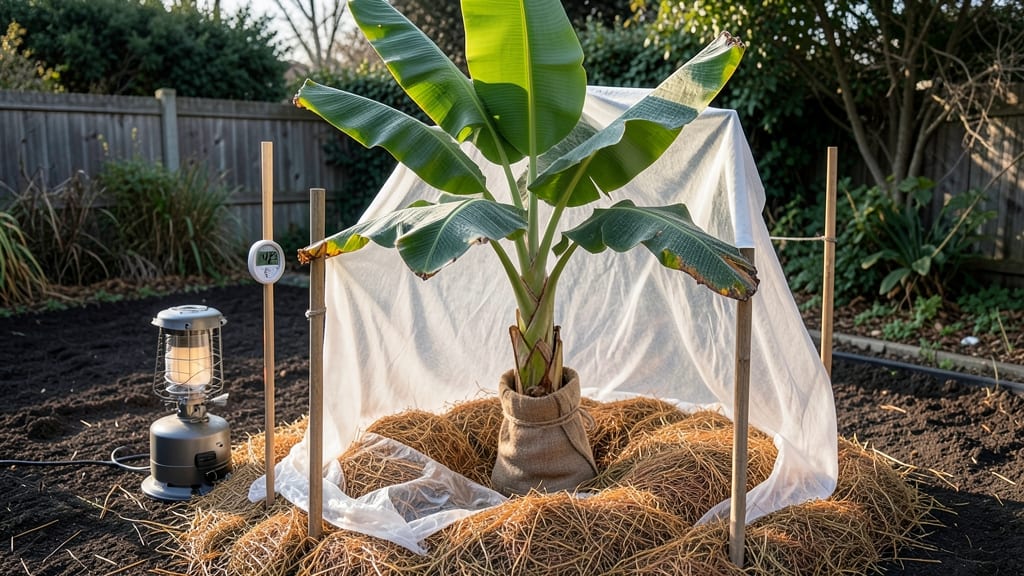
Your banana tree’s life depends on protecting it from frost—and the difference between a thriving plant and a crispy mess comes down to quick, layered defenses. 🌱 I’ve watched frost turn lush banana fronds into brittle brown skeletons, but these tricks saved my plant last winter when temperatures dipped to 25°F.
The key? Acting fast with mulch, covers, and smart location choices before the first freeze hits.
First, insulate the roots with a thick mulch blanket—straw, leaves, or even old blankets work. Pile it 12+ inches deep around the base, then wrap the trunk in burlap or bubble wrap to trap heat.
For extra protection, drape frost cloth or a lightweight tarp over the plant, securing it with bricks or stakes so wind doesn’t tear it away. This combo can raise soil temps by 10°F or more, giving your banana tree a fighting chance.
Long-term, move your plant to a sheltered spot—near a south-facing wall or under an overhang—where cold air pools less. If you’re in Zone 7 or colder, consider dwarf varieties like ‘Dwarf Cavendish’ or ‘Ice Cream’; they tolerate brief chills better than tropical giants.
Even with all these steps, some damage is inevitable—look for blackened tips or mushy stems—but new growth often rebounds by spring if roots stay alive.
Here’s the game-changer: Monitor forecasts and prep a week ahead. A heated mat under containers or a greenhouse-like cover can make all the difference. And if frost still strikes?
Don’t panic—prune damaged leaves in late winter and fertilize when new shoots appear. Your banana tree might just surprise you next summer.
📚 In This Guide
- What you need
- Instructions
- Tips and common mistakes
- Wrapping up and next steps
What you need
- ● Mulch: Straw, pine needles, or wood chips (at least 4-6 inches deep for full coverage).
- ● Burlap or frost cloth: A breathable cover (size depends on tree height; aim for 50%+ extra for draping).
- ○ Plastic sheeting: Heavy-duty, clear plastic (optional but helpful for trapping heat; 1-2 mil thickness).
- ● Stakes or wooden dowels: To secure covers (4-6 per tree, 6-12 inches tall).
- ● Twine or zip ties: For fastening covers (non-metallic to avoid damage).
- ● Watering can or hose: For pre-frost hydration (light watering, not soaking).
- ● Pruners: To trim dead or frost-damaged leaves (sterilized and sharp).
- ● Christmas lights: String lights wrapped around the trunk (low-wattage, solar-powered if possible).
- ● Cardboard boxes: For small trees (cut to size, remove before temps rise).
- ● Thermal blankets: Specialized frost blankets for extra insulation.
- ● Fan (small, portable): To circulate air if frost is light (prevents ice buildup).
Step-by-step guide to shielding your banana tree from frost
Here’s how I’ve saved my tropical banana trees year after year—using smart layering and protective covers.
🌱 Step 1: Assess Frost Risk and Choose Protection Timing
Banana trees can’t handle temperatures below 32°F, so monitor your local forecast and act 24-48 hours before frost is predicted. I start by moving potted plants to a sheltered spot—like against a south-facing wall—where they’ll absorb reflected heat. For in-ground trees, focus on insulating the roots and trunk first, since these are the most vulnerable.
Watch for light frost warnings (when temps dip to 30-32°F)—this is when you’ll need extra layers. If a hard frost (below 28°F) is forecasted, you’ll need to combine mulching with physical covers. The key is acting early: waiting until frost hits often means damage is already done.
🪴 Step 2: Layer Mulch Around the Base for Root Insulation
Spread a 4-6 inch thick layer of straw or dry leaves around the base of the tree, piling it 6-12 inches deep against the trunk. I use straw because it insulates better than wood chips and won’t compact over time. Avoid plastic mulch—it traps cold moisture and can rot the roots. For potted banana trees, wrap the pot in bubble wrap or thick cardboard before adding mulch.
If you have newspaper or cardboard, shred it and mix it into the top layer of mulch. This adds extra insulation while breaking down slowly. The goal is to create a thick, breathable barrier that keeps the soil 10-15°F warmer than the air temperature. You’ll know it’s working when the mulch stays dry and fluffy—if it feels damp, add more layers.
☀️ Step 3: Cover the Tree with Frost Blankets or Burlap
Once the temperature drops below 35°F, drape a frost blanket or burlap sack over the tree, securing it with clips or stakes to prevent wind from tearing it away. I avoid plastic sheets—they trap too much moisture and can scorch leaves in sunlight. Instead, use breathable fabrics that allow air circulation while blocking cold air.
For extra protection, add a second layer of mulch over the blanket if the forecast calls for sub-freezing temps. Leave the top of the tree uncovered if possible—banana trees can handle cooler air on the leaves better than trapped cold near the roots. Check the cover during the day to ensure it’s not sagging or letting in drafts.
⏰ Step 4: Monitor and Adjust Through the Night
If the frost warning extends into the early morning hours, add heat sources like string lights or heat lamps near the base of the tree. Keep them at least 2 feet away to avoid fire hazards. I also place a large bucket of water near the tree—it releases heat as it cools, adding a few degrees of warmth to the microclimate.
Remove covers as soon as the sun rises—even if frost hasn’t fully melted. Trapped warmth can cause sudden temperature spikes, which stress the tree more than gradual thawing. Watch for ice crystals on the leaves—this is a sign the tree is still in danger, and you may need to reapply covers for another hour or two.
✂️ Step 5: Post-Frost Care and Recovery
After the frost passes, inspect the tree for blackened leaves or damaged fronds. Trim any completely brown or mushy tissue with sterilized pruners, cutting back to healthy green growth. Don’t remove too much at once—banana trees recover better with gradual pruning. Water the base lightly (not deeply) to help the roots recover without shocking the system.
If the tree looks wilted but not dead, it’s likely just dormant from the cold. Give it 2-3 weeks of bright, indirect light and consistent moisture before expecting new growth. I’ve seen banana trees bounce back from near-total frost damage—the key is acting fast and giving it time to heal.
Tips & tricks for shielding banana trees from frost
These battle-tested strategies will help you protect your tropical banana trees from frost damage—without losing your plants to the cold.
Timing is Everything: The 24-48 hour window before frost is critical. I always set up my weather alerts so I can act fast—sometimes just moving potted plants to a sheltered spot makes all the difference. For in-ground trees, focus on the roots first since they're most vulnerable. I've learned this the hard way after watching trees suffer when I waited until the last minute.
Mulch Layering Secrets: When creating that 4-6 inch thick layer of straw, don't just pile it randomly. I make sure to mound it 6-12 inches deep against the trunk to create a thermal barrier. The key is keeping that mulch dry and fluffy—if it gets damp, add more layers immediately. For potted trees, wrapping the pot in bubble wrap before adding mulch gives an extra boost of insulation.
Covering Strategy: At 35°F, it's time to cover your tree with frost blankets or burlap. I always avoid plastic sheets—they trap too much moisture and can actually harm the leaves. For extra protection during sub-freezing temps, I add a second layer of mulch over the blanket. The trick is leaving the top of the tree uncovered if possible, since banana trees handle cooler air on the leaves better than trapped cold near the roots.
Post-Frost Recovery: After the frost passes, don't rush to remove covers—wait until sunrise. I've seen trees get stressed from sudden temperature spikes when covers are removed too early. When trimming damaged fronds, cut back to healthy green growth only. The goal is gradual pruning to help the tree recover without shock. Light watering (not deep soaking) helps roots recover without overwhelming the system.
Pro Tips for Protect Banana Tree From Frost
- These battle-tested strategies will help you protect your tropical banana trees from frost damage—without losing your plants to the cold.
- Timing is Everything: The 24-48 hour window before frost is critical.
- Mulch Layering Secrets: When creating that 4-6 inch thick layer of straw, don't just pile it randomly.
Frequently asked questions
Got questions about saving your banana tree from frost? You’re not alone! Here are some of the most common concerns—and straightforward answers to keep your tropical beauty thriving, even in chilly weather.
How cold is too cold for banana trees?
Banana trees struggle when temperatures dip below 32°F (0°C). Prolonged exposure to 28°F (-2°C) or lower can cause irreversible damage, like blackened leaves or even trunk death. If frost is in the forecast, act fast—prevention is key!
When should I start protecting my banana tree from frost?
Start 2–3 days before the first frost warning. This gives you time to cover the tree, apply mulch, or move potted plants indoors. Monitor local weather alerts—sudden cold snaps can sneak up! Pro tip: If frost is expected overnight, cover the tree at dusk and remove covers in the morning.
Can I keep a banana tree in a pot and move it indoors for winter?
Potted banana trees are easier to protect. Move them to a sunny indoor spot (like a garage or sunroom) before temperatures drop. If indoors isn’t an option, wrap the pot in bubble wrap or frost cloth and bury it in straw or leaves for extra insulation.
What if my banana tree’s leaves turn black after frost?
Blackened leaves are a sign of frost damage, but don’t panic! Prune the affected leaves with sterilized shears to redirect energy to new growth. If the trunk or pseudostem is damaged, the tree may not recover—but healthy roots can sometimes sprout new shoots in spring.
Are there frost-resistant banana tree varieties?
Yes! Varieties like ‘Lady Finger’ or ‘Red Dacca’ tolerate cooler climates better than tropical types. If you live in a marginal zone (USDA zones 9–10), opt for these hardier cultivars. Even then, mulching and covering will give them a fighting chance in deep freezes.
Wrapping up and next steps
Protecting your banana tree from frost doesn’t have to be a daunting task—just a little preparation and the right techniques can make all the difference! 🌱 By using layered mulch, frost cloths, and strategic watering, you’ll give your tropical friend the best chance to thrive even in chilly weather.
Remember, consistency is key, so stay vigilant and adjust your approach as needed.
Now that you’re armed with these frost-fighting strategies, it’s time to put them into action! Start by assessing your banana tree’s needs and gradually implement the methods that work best for your climate. Your green thumb is about to shine—happy gardening! 🌟