
Planting
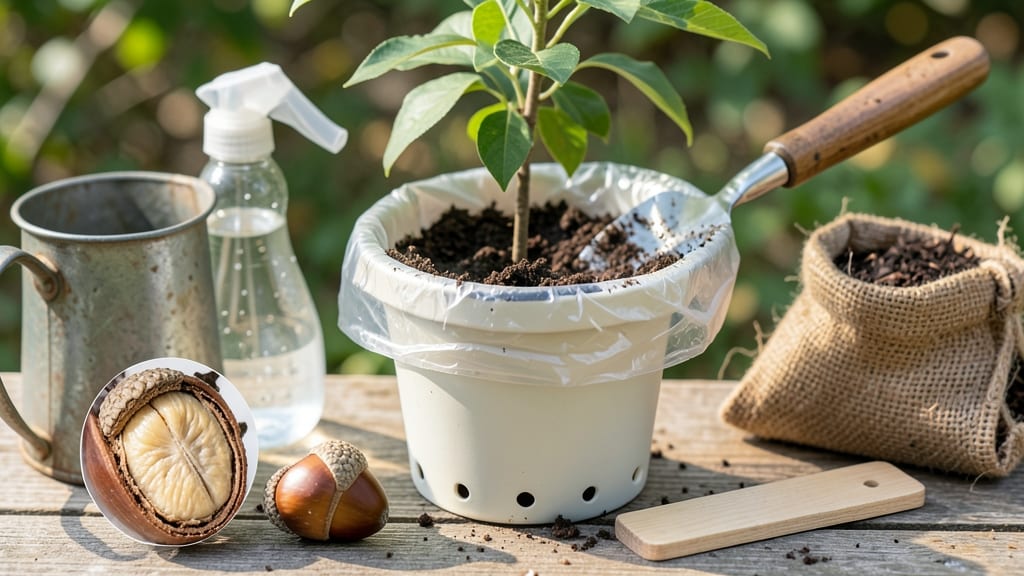
Planting a live oak tree from an acorn is the ultimate long-term project—one that could yield a 100-foot giant in 50 years. 🌳 I’ve watched acorns I collected in 2018 now stand taller than me, and the process is simpler than you’d think, especially with cold stratification.
The key isn’t luck—it’s patience, the right soil, and knowing when to plant that tiny seedling.
Start with mature acorns (avoid small, shriveled ones) and soak them in water for 24 hours before cold-stratifying in a damp paper towel in the fridge for 3 months. This mimics winter’s natural dormancy, breaking the seed’s stubbornness so it’ll finally sprout.
You’ll need a well-draining mix of sand and potting soil, a shallow tray, and a sunny spot—even a windowsill works for early germination.
By spring, you’ll have 1-inch seedlings ready to transplant into the ground. Plant them 2 inches deep in loose, sandy soil, water deeply, and protect them from deer or squirrels (they’re still snack-sized!).
With consistent moisture and full sun, your oak will grow 1-2 feet per year—slow but steady, just like the trees that inspired this journey.
This isn’t a quick win; it’s a legacy project. But the reward? A towering shade tree that outlives you, all from an acorn you nurtured. Here’s how to make it happen—step by step, without the guesswork.
📚 In This Guide
- What you need
- Instructions
- Tips and common mistakes
- Wrapping up and next steps
What you need
- ● Mature live oak acorns – Collect at least 10-20 acorns (more = better odds of success). Ensure they’re plump, heavy, and free of cracks.
- ● Cold-stratification supplies: Moist peat moss or coconut coir (enough to fill a container)
- ● A resealable plastic bag or airtight container (e.g., a ziplock or Tupperware)
- ● Refrigerator (set to 34–40°F)
- ● Planting pots – 4–6 small pots (3–4 inches wide) with drainage holes. Biodegradable pots (e.g., peat or paper) are ideal.
- ● High-quality potting mix – Use a well-draining blend (e.g., 60% potting soil + 40% perlite/sand).
- ● Spray bottle – For gentle watering (avoid over-saturating).
- ● Garden trowel or small shovel – For transplanting seedlings.
- ● Garden gloves – Protects hands from acorn tannins (can stain!).
- ● Acorn cap – Some gardeners leave it on to retain moisture (remove if moldy).
- ● Heating mat – Speeds up germination if your home is too cold (<60°F).
- ● Humidity dome or plastic wrap – Keeps soil moist during early growth.
- ● Sunlight meter or grow lights – Ensures seedlings get bright, indirect light (12+ hours/day).
- ● Tree stakes or cages – Supports saplings as they grow taller.
- ● Fertilizer (low-nitrogen) – Like fish emulsion or compost tea (use sparingly after 3–4 months).
Step-by-step instructions for growing live oak trees from acorns
Here’s how to turn a single acorn into a sturdy live oak sapling—nature’s slowest but most rewarding project.
🌱 Step 1: Collect and Prepare Acorns for Cold Stratification
Gather acorns in late fall when they’ve dropped naturally—these have the highest viability. Look for plump, heavy acorns with intact caps; discard any that feel hollow or show signs of insect damage. Store them in a paper bag (not plastic) in a cool, dry place until you’re ready to stratify.
Cold stratification mimics winter conditions and breaks the acorn’s dormancy. Fill a container with a mix of equal parts moist peat moss and perlite (or use a pre-mixed seed-starting medium). Place each acorn 1 inch deep in the mix, spacing them 2 inches apart to prevent crowding. Cover the container loosely with plastic wrap and refrigerate it for 90 days at 35-40°F. Check monthly—if the mix dries out, add a little water to keep it damp but not soggy.
⏰ Step 2: Germinate Acorns in Warmth After Stratification
After 90 days, remove the container from the fridge and place it in a warm, bright spot (65-75°F). Germination can take 4-12 weeks, so patience is key. Keep the mix consistently moist—press your finger into it weekly; if the top inch feels dry, add water until it’s evenly damp. You’ll know it’s working when you see a tiny white root (radicle) emerge first, followed by a shoot.
Once the shoot reaches 2-3 inches tall, transplant each seedling into its own 4-inch pot filled with a 50/50 mix of potting soil and perlite. This prevents root rot and ensures strong early growth. Place the pots under bright, indirect light (a south-facing window or grow light) to avoid leggy seedlings. Avoid direct sun at this stage—it can scorch tender leaves.
☀️ Step 3: Harden Off and Plant Outdoors After 6 Months
By 6 months, your saplings should be 12-18 inches tall with a sturdy stem. Two weeks before your last frost date, begin hardening them off by placing them outside in a shaded, sheltered spot for 1-2 hours the first day. Gradually increase their outdoor time over 10-14 days, moving them to sunnier locations as they adapt. Watch for wilting—if leaves droop, they’re not ready yet.
Plant outdoors in early spring or fall, choosing a location with full sun and well-draining soil. Dig a hole twice as wide as the root ball but no deeper. Gently remove the sapling from its pot, loosen any circling roots, and place it in the hole so the top of the root ball sits 1 inch below soil level. Backfill with native soil, water deeply, and add a 2-inch layer of mulch (wood chips or pine straw) to retain moisture and suppress weeds. Stake only if the sapling leans—live oaks grow strong but need support in windy areas.
🌿 Step 4: Maintain Young Trees for Long-Term Growth
Water newly planted saplings once a week for the first month, then taper to every 2 weeks once established (unless rainfall provides 1 inch of moisture). Overwatering is the biggest killer—live oaks hate soggy feet. Fertilize lightly in early spring with a balanced, slow-release fertilizer (10-10-10), but skip it entirely if the soil is nutrient-rich. Young trees need 5-6 years to develop strong root systems, so resist the urge to prune—only remove dead or crossing branches.
By year 3, your sapling should be 6-8 feet tall with a 3-inch caliper trunk. This is when it starts resembling a true oak. Protect it from lawn equipment and pets—live oaks grow slowly but live for centuries, so give it space to thrive. The first acorns won’t appear for 15-20 years, but the journey from seed to shade tree is what makes it special.
Tips & tricks for perfect live oak tree growth from acorns
These practical insights will help you navigate the patience and precision required to grow a majestic live oak from seed.
Acorn Selection: The quality of your starting acorn makes all the difference. Look for acorns that are plump, heavy for their size, and have intact caps—these are the healthiest candidates. Tap them gently against each other; a hollow sound means the acorn is empty and won't sprout. I've learned this the hard way after wasting months on inferior acorns that never germinated.
Stratification Setup: When creating your stratification mix of equal parts moist peat moss and perlite, don't skimp on the perlite. It provides essential drainage that prevents rot during the 90-day cold period. I recommend using a shallow container with drainage holes to avoid waterlogging. The goal is to maintain consistent moisture without creating anaerobic conditions that would harm the acorns.
Germination Monitoring: During the 4-12 week germination phase at 65-75°F, resist the urge to disturb the acorns. The radicle (tiny white root) emerges first, and moving them too soon can damage this critical development. Place your container near a bright window but avoid direct sunlight, which can overheat the mix. A simple grow light works perfectly if natural light is insufficient.
Transplanting Timing: The moment your shoots reach 2-3 inches tall is perfect for transplanting into individual 4-inch pots. At this stage, the seedlings have developed enough root structure to handle the transition. Use a 50/50 mix of potting soil and perlite in these pots to prevent compaction. I've found that gently teasing apart any tangled roots during transplanting helps prevent future growth restrictions.
Pro Tips for Plant A Live Oak Tree From Acorn
- These practical insights will help you navigate the patience and precision required to grow a majestic live oak from seed.
- Acorn Selection: The quality of your starting acorn makes all the difference.
- Stratification Setup: When creating your stratification mix of equal parts moist peat moss and perlite, don't skimp on the perlite.
Frequently asked questions
Got questions about growing a live oak from an acorn? You’re not alone—this process takes patience and care! Here are answers to the most common queries to help you succeed.
How long does it take for an acorn to sprout?
With cold stratification, most live oak acorns sprout within 4–8 weeks after planting in moist soil. If you’ve stratified properly (4–6 weeks in the fridge), germination should start by early spring. If nothing happens after 3 months, the acorn may not be viable—try another!
Can I plant the acorn directly in the ground without refrigerating it?
Live oak acorns require cold stratification to break dormancy. Planting them straight into the ground without chilling them first will likely result in no germination. The fridge mimics winter conditions—skip this step, and you’ll waste time (and acorns!).
How deep should I bury the acorn when planting?
Bury the acorn 1–2 inches deep in well-draining soil, with the pointed end facing down. Deeper than 2 inches may suffocate the sprout, while shallower planting risks drying out. Cover it lightly with soil and keep the area moist (but not soggy) for best results.
Will squirrels or animals steal my acorns before they sprout?
Acorns are a squirrel magnet. To protect yours:
- Plant in a wire mesh cage (remove after sprouting).
- Use a heavy pot buried in the ground.
- Choose a less accessible spot (e.g., under a bush).
What if my sapling grows too slowly or looks weak?
Live oaks are slow growers—don’t rush it! If your sapling is leggy or pale:
- Move it to partial shade (too much sun can stress young roots).
- Ensure it gets 1 inch of water weekly (drought stress stunts growth).
- Fertilize lightly with balanced 10-10-10 in spring (over-fertilizing harms roots).
Wrapping up and next steps
Growing a live oak from an acorn is a rewarding journey that connects you to nature’s patience and resilience. 🌱 With the right preparation—like cold stratification and careful nurturing—you’ll witness the magic of life unfolding over months. Start small, stay consistent, and trust the process!
Ready to take the next step? Plant that acorn today and watch your future oak thrive. 🌳