
Propagation
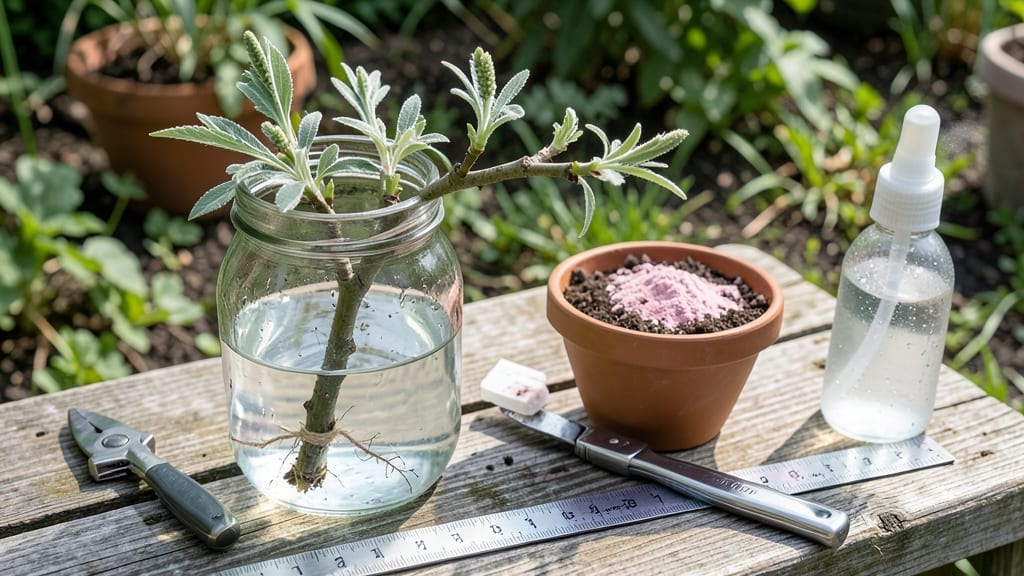
Growing a willow tree from a single branch is the easiest way to start one—no nursery needed. 🌿 I’ve propagated willows this way for years, and the key is timing: late winter or early spring, when the tree is still dormant but about to wake up.
A healthy cutting will root in water within weeks, then transplant effortlessly into soil where it’ll thrive for decades.
The magic happens with a 12-18 inch branch, cut just above a leaf node where roots naturally form. Trim the leaves to reduce water loss, but leave a few at the top to help with photosynthesis.
Willow branches root faster than almost any other tree, but they’re also picky—too much sun or heat can stress them out before roots even form.
Once roots appear (usually in 4-6 weeks), move your cutting to moist soil in a shaded spot. The first year, it’ll focus on growing roots and leaves, but by spring, you’ll see 6-foot-tall shoots reaching for the sky.
The best part? Willows are hardy—once established, they’ll handle floods, droughts, and even poor soil like a champ.
Common mistakes? Overcrowding cuttings or letting the water in your rooting jar get stagnant. Keep it simple: fresh water changes every few days, and patience. By next summer, you’ll have a lush, fast-growing willow that’ll outlive you—and your neighbors’ jealousy.
📚 In This Guide
- What you need
- Instructions
- Tips and common mistakes
- Wrapping up and next steps
What you need
- ● Willow branch: A healthy, flexible 1–3 foot long cutting (about pencil-thick) from a weeping willow (Salix babylonica) or similar species. Best time to cut: Late winter or early spring (when sap is rising).
- ● Water: A clean container (glass jar, vase, or bucket) with 3–6 inches of water—tap water works, but let it sit out for 24 hours if chlorinated.
- ● Pruning shears or sharp knife: Sterilized to avoid disease. Cut at a 45-degree angle just below a node (where leaves grow).
- ○ Rooting hormone (optional but helpful): A powder or gel to speed up root growth (e.g., Clonex or Rootone).
- ● Well-draining soil: A mix of potting soil + perlite/sand (ratio: 2:1) for planting after rooting.
- ● Pot or garden bed: For water propagation: A container with a wide mouth (e.g., mason jar, vase).
- ● For soil propagation: A 6–12 inch pot with drainage holes.
- ● Plastic bag or humidity dome: To retain moisture (e.g., a clear plastic bag with holes or a propagator).
- ● Water conditioner: Like hydrogen peroxide (3%) to oxygenate water and prevent rot.
- ● Grow lights or sunny windowsill: A south-facing window or LED grow light (12+ hours/day) for faster growth.
- ● Fertilizer: A balanced liquid fertilizer (5-5-5) once roots are 2+ inches long.
- ● Label or marker: To track planting dates (willows grow fast!).
- ● Stakes or trellis: For support if growing in a weeping variety.
Step-by-step instructions for growing a willow tree from a branch
Here's how to turn a simple branch into a thriving willow tree using water roots.
🌱 Step 1: Select and Prepare the Willow Branch
Look for a healthy, flexible branch about as thick as your thumb and at least 18-24 inches long. Willow branches root best when they're still green and plump with moisture. Snap it cleanly from the tree at a 45-degree angle—this prevents tearing and gives you a fresh cut for faster rooting.
Strip off all but the top 2-3 inches of leaves to reduce moisture loss. You'll want to keep the leaves at the very top because they'll power photosynthesis once roots form. Place the branch in a bucket of room-temperature water immediately after cutting—wilting slows root development.
💧 Step 2: Root the Branch in Water
Fill a clean container with 4-6 inches of fresh water and submerge the cut end of the branch so it's covered by 2-3 inches of water. Use a clear glass jar if possible—you'll watch roots emerge in 2-4 weeks (willows are fast growers!). Change the water every 3-5 days to prevent algae growth and keep it oxygenated.
Place the container in bright, indirect light—direct sun heats the water too quickly and stresses the branch. You'll know it's working when small white bumps appear along the submerged stem. These bumps grow into roots within 10-14 days. Once roots reach 2-3 inches long, it's ready for soil.
🪴 Step 3: Plant the Rooted Branch in Soil
Choose a moist, well-draining spot with full sun to partial shade. Willows love water but won't tolerate soggy soil. Dig a hole twice as wide as the root ball and just as deep. Gently place the rooted branch in the hole, spreading the roots naturally—don't force them. Fill the hole with soil and press lightly to remove air pockets.
Water deeply right after planting to settle the soil around the roots. You'll want the soil to stay consistently moist (but not waterlogged) for the first 2-3 weeks. Mulch the base with 2-3 inches of organic mulch to retain moisture and protect young roots from temperature swings.
☀️ Step 4: Care for Your Young Willow Tree
Willows grow 3-6 feet per year once established, so keep the soil moist but not soggy—water 2-3 times per week in dry weather. Young trees need full sun for strong growth, but established willows tolerate partial shade. Prune any dead or crossing branches in early spring to encourage a sturdy structure.
This is the moment that matters: Don't fertilize for the first year—willows grow best in nutrient-rich soil, and added fertilizer can burn tender roots. Instead, let the tree focus on establishing its root system. You'll see new shoots emerge from the base within 4-6 weeks—that's your sign the tree is thriving.
Tips & tricks for perfect willow tree propagation
Here's what nobody tells you about turning a simple branch into a thriving tree—tricks that'll make all the difference between success and disappointment.
Timing is Everything: The moment you snap that branch matters more than you think. Cut it on a cloudy day or in the early morning when the plant's water content is highest. I've seen branches that wilted within hours fail to root, while those kept in water immediately after cutting thrived. If you must store it overnight, wrap the cut end in a damp paper towel and place it in a plastic bag to maintain moisture.
Container Choice Matters: While any clean container works, a clear glass jar lets you watch the magic happen—those white root bumps appear first, then grow into roots within 10-14 days. For faster rooting, use a container that's at least 6 inches deep. I've had great success with mason jars because they're easy to clean and maintain consistent water levels. If you don't have clear containers, check for root development by gently tugging on the branch after 2 weeks—if it resists, roots are forming!
Lighting Secrets: Bright indirect light is key, but don't overlook the importance of consistent conditions. I place my rooting branches near an east-facing window where they get morning sun but stay cool in the afternoon. If you don't have ideal lighting, a simple grow light on a timer (12-14 hours per day) works wonders. Avoid placing them near heat sources like radiators or vents—willow branches are sensitive to temperature fluctuations.
Soil Preparation Tip: Before planting your rooted branch, mix your native soil with some perlite or sand (about 20% of the total volume) to improve drainage. Willow roots need oxygen, and compacted soil can suffocate them. I also like to add a handful of compost to the planting hole—this gives the young tree a nutrient boost without overdoing it. Remember, the first 2-3 weeks are critical for root establishment, so keep that soil consistently moist but never soggy.
Pro Tips for Grow A Willow Tree From A Branch
- Here's what nobody tells you about turning a simple branch into a thriving tree—tricks that'll make all the difference between success and disappointment.
- Timing is Everything: The moment you snap that branch matters more than you think.
- Container Choice Matters: While any clean container works, a clear glass jar lets you watch the magic happen—those white root bumps appear first, then grow into roots within 10-14 days.
Frequently asked questions
Got questions about growing a willow tree from a branch?
You’re not alone! Here are some of the most common queries—and straightforward answers—to help you succeed.
Can I grow any willow branch, or does it need to be a specific type?
Most willow branches will root, but weeping willows (Salix babylonica) and pussy willows (Salix discolor) are the easiest for beginners. Look for healthy, flexible branches (about pencil-thick) with leaf buds—avoid woody, dried-out stems. If unsure, ask a local nursery for recommendations!
How long does it take for a willow branch to root in water?
Willow branches are fast growers! You’ll often see roots sprouting in 2–4 weeks if kept in warm water (60–70°F). Some may take up to 6 weeks—patience is key. Change the water every 3–5 days to prevent bacteria buildup and keep it fresh.
What if my willow branch won’t root in water? What’s my backup plan?
If roots aren’t appearing after 6 weeks, try these tricks:
- Hormone rooting gel: Dip the cut end in gel to boost growth.
- Warm water: Use a heating pad under the jar to mimic spring conditions.
- Direct soil planting: Bury the branch 2–3 inches deep in moist soil (like a cutting) and keep it humid.
Can I plant my willow branch straight into soil instead of water?
While water rooting is classic, soil propagation works too. Dig a hole, bury the branch at a 45° angle, and keep the soil damp. Use a plastic bag to create a mini greenhouse and place it in partial shade. Roots may take slightly longer (4–8 weeks) but often grow stronger.
Why are my willow cuttings turning yellow or mushy?
Yellowing or mushy stems usually mean rot or bacterial infection. This happens from:
- Stagnant water (change it frequently!).
- Overcrowded branches (trim to 1–2 buds per cutting).
- Too much direct sunlight (keep in bright, indirect light).
How big should my willow tree get before transplanting?
Wait until your willow has 3–4 inches of roots and a few new leaves (signs of strength!). Transplant on a cloudy day to reduce stress. Dig a hole twice as wide as the root ball and water thoroughly. Mulch around the base to retain moisture—your tree’s ready for its forever home!
Wrapping up and next steps
Growing a willow tree from a branch is a rewarding journey that combines patience with nature’s magic! 🌱 With just a few simple steps—rooting in water, planting in soil, and providing consistent care—you can nurture a thriving willow that adds beauty and shade to your space.
Whether you’re a gardening newbie or a seasoned green thumb, this method is accessible and exciting.
Now that you’re armed with the know-how, why not take the next step? Grab a branch, set up your propagation station, and watch your willow grow into a stunning centerpiece. Happy growing! 🌿