
How To
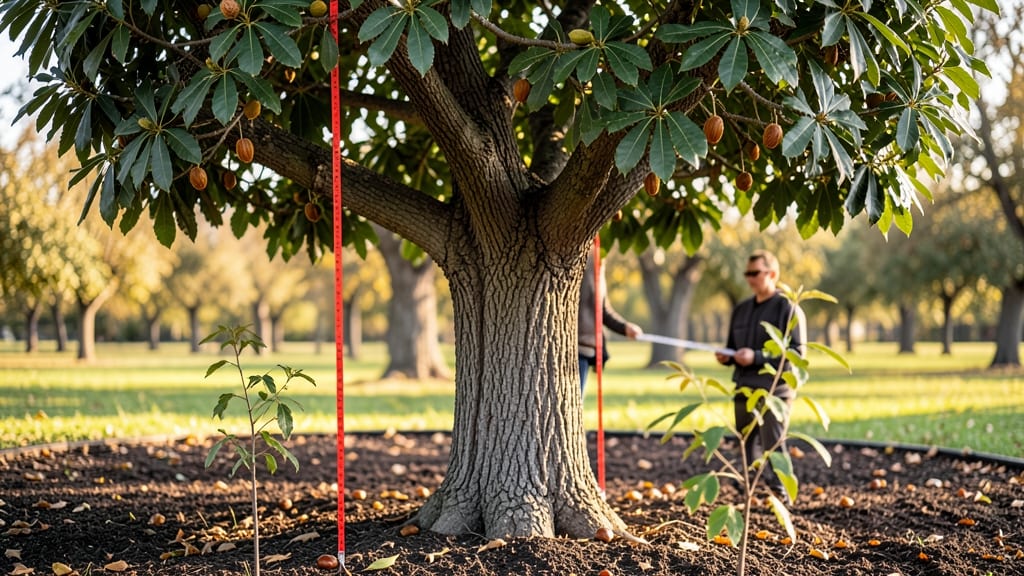
A pecan tree can grow up to 100 feet tall 🌰—taller than a three-story building—if given the right conditions, but its height depends on the variety, care, and where you plant it.
Picture this: a backyard towering with a majestic pecan tree, its branches heavy with nuts, or a neatly pruned dwarf variety that fits your space perfectly. The difference? Variety selection, spacing, and pruning techniques.
Standard pecan trees reach their full height in 20-30 years, while dwarf varieties stay manageable at 20-30 feet. Whether you're planning an orchard or just want shade and snacks, knowing these height ranges helps you choose the right tree for your goals.
Below, I break down how tall different pecan types grow, how to control their size with pruning, and whether a smaller variety is right for your yard.


Pecan tree height ranges by variety: from dwarf to giant sizes
Choosing the right pecan tree variety depends heavily on your space and goals. Standard pecan trees can reach 70–100 feet, making them more suited for orchards than backyards. However, newer dwarf and semi-dwarf varieties offer manageable heights of 20–50 feet, perfect for smaller properties.
The key is selecting a variety that matches your yard size and sunlight conditions.
Pecan trees grow at different rates based on their genetic potential and environmental factors. For example, ‘Desirable’ and ‘Western Schley’ are classic tall varieties, while ‘Pawnee’ and ‘Sioux’ stay shorter.
Understanding these differences helps you plan for pruning needs and nut production early on. Let’s explore the height ranges by variety so you can make an informed choice.
| Variety | Mature Height (ft) | Growth Rate (ft/year) | Best For |
|---|---|---|---|
| Dwarf Varieties | 20–30 ft | 1–2 ft | Small yards, containers, urban gardens |
| ‘Pawnee’ | 25–30 ft | 1.5 ft | Early production, cold-hardy |
| ‘Sioux’ | 20–25 ft | 1 ft | Drought-tolerant, compact |
| Semi-Dwarf Varieties | 30–50 ft | 2–3 ft | Medium yards, home orchards |
| ‘Cape Fear’ | 35–45 ft | 2.5 ft | High-quality nuts, heat-tolerant |
| ‘Moapa’ | 40–50 ft | 3 ft | Arid climates, large backyards |
| Standard Varieties | 60–100 ft | 3–5 ft | Orchards, rural properties |
| ‘Desirable’ | 70–100 ft | 4 ft | Commercial orchards, large estates |
| ‘Western Schley’ | 65–90 ft | 3.5 ft | High yield, cold-hardy |
If you’re limited on space, dwarf varieties like ‘Pawnee’ or ‘Sioux’ are excellent choices. These trees mature at 20–30 feet and produce nuts just like their taller counterparts. They’re ideal for containers or small yards, though they may require annual pruning to maintain shape.
For a balance between size and productivity, semi-dwarf varieties like ‘Cape Fear’ reach 30–50 feet and thrive in medium-sized backyards.
How fast do pecan trees grow to mature height? Growth timeline by stage
Pecan trees are patient giants—it takes decades for them to reach their full 60-100 foot stature. While their slow-and-steady growth might feel frustrating, understanding their year-by-year progression helps you plan for shade, space, and nut production.
The first 10 years are especially critical, as proper care during this phase sets the stage for a healthy, productive tree.
Your pecan tree’s growth rate depends on variety, soil quality, climate, and water availability. In ideal conditions—like USDA Zone 7-9 with well-drained soil—you’ll see faster height gains.
But even in perfect settings, expect 1-2 feet of growth annually during the early years. Dwarf varieties buck this trend, maturing at 20-30 feet in half the time.
- 1 Year 1-2: 1-5 feet – Focus on root establishment; avoid heavy pruning.
- 2 Year 3-5: 8-12 feet – Growth accelerates; prune to shape canopy and remove weak branches.
- 3 Year 6-10: 20-30 feet – Nut production begins; prioritize deep watering and fertilization.
- 4 Year 11-20: 40-60 feet – Rapid vertical growth; structural pruning essential to prevent storm damage.
- 5 Year 20+: 60-100 feet – Mature height reached; focus on nut harvest and disease prevention.
During the first 5 years, your pecan tree’s height is directly tied to its root system. Young trees need consistent moisture—especially during droughts—to fuel vertical growth.
I’ve seen saplings in well-amended soil grow 3 feet in a single season, while those in poorly drained areas might stall at 1-2 feet. Mulching with wood chips helps retain moisture and encourages deeper roots.
Once your tree hits 10 feet, growth shifts into high gear—especially if you’re growing a standard variety. At this stage, pruning for structure becomes non-negotiable. I recommend removing competing branches and suckers to direct energy upward.
Without intervention, your tree could develop a wide, unmanageable canopy that’s prone to pests and disease.
By year 20, most pecan trees have reached 60% of their mature height. This is when they start producing heavy crops, which can slow height gains slightly. To compensate, ensure your tree gets balanced fertilization—like a 10-10-10 NPK blend—and deep watering every 7-14 days.
In my USDA Zone 8 orchard, trees in full sun add 2-3 feet annually during these productive years.
Patience is key with pecan trees—they’re not fast growers, but their longevity and productivity make the wait worthwhile. With the right care, your 70-foot shade giant will provide decades of nuts and beauty, all while becoming a landmark in your landscape. 🌳