
How To
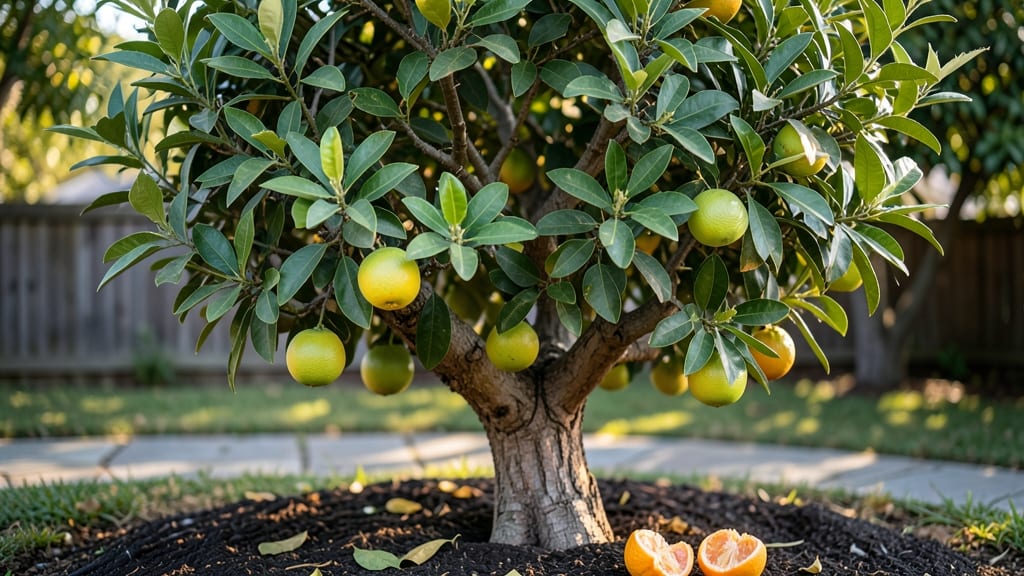
Grapefruit trees grow anywhere from 8 feet to towering 30 feet tall, depending on the variety and how you care for them—so yes, your backyard can handle one, even if you’re short on space.
If you’re picturing a grapefruit tree 🍊 crowding your patio or blocking your pool, don’t worry—there are dwarf varieties that stay under 10 feet, perfect for containers or small yards.
Meanwhile, standard types can reach the height of a two-story building if left unchecked. The key? Choosing the right variety and pruning early.
Below, I break down the height ranges of the most popular grapefruit types, from the compact ‘Foster’ to the sprawling ‘Marsh,’ plus the pruning tricks that keep even full-size trees manageable. You’ll also learn how to spot a dwarf rootstock and whether container growth is right for your setup.
Ready to pick the perfect size? Let’s dive into the heights, care tips, and the one mistake that turns a dwarf into a giant overnight.


Grapefruit tree height by variety: dwarf vs. standard vs. giant sizes
Choosing a grapefruit tree often comes down to one key question: how tall will it grow? The answer depends entirely on the variety, with some staying under 10 feet while others soar to 30 feet or more.
If you're working with limited space, a dwarf variety could be your best bet, while larger varieties reward patient gardeners with abundant fruit. Let’s break down the height ranges by category so you can pick the perfect fit for your garden.
Most grapefruit trees fall into three height categories: dwarf (6–10 ft), standard (20–30 ft), and giant (over 30 ft). The difference isn’t just about aesthetics—it impacts fruit production, pruning needs, and even container suitability.
For example, a Ruby Red grapefruit typically reaches 15–20 feet, while a White grapefruit can grow up to 25 feet if unchecked. Understanding these ranges helps you plan for spacing, sunlight access, and long-term care.
Dwarf grapefruit trees are the ideal choice for urban gardens, patios, or small backyards. These varieties are often grafted onto dwarf rootstock, limiting their height to 6–10 feet while maintaining healthy fruit production. Varieties like ‘Foster’ or ‘Melogold’ thrive in containers, making them perfect for balconies or courtyard gardens. Even in their mature state, they rarely exceed 12 feet, saving you from the hassle of heavy pruning or structural support.
The Marsh Seedless grapefruit is one of the most popular varieties for home gardens, thanks to its seedless fruit and vibrant yellow skin. However, its mature height of 20–25 feet means it’s best suited for larger properties or orchards.
If you’re growing it in a container, expect to prune aggressively to keep it under 10 feet, though this may reduce fruit yield. For those in USDA Zone 9–11, this variety thrives with minimal frost protection.
On the other hand, White grapefruit varieties like ‘Thompson’ can reach 30 feet or taller, making them more suited for commercial orchards than backyard gardens. Their slow growth rate (1–2 feet per year
Managing your grapefruit tree’s height starts with understanding its growth potential. Standard varieties can reach 20–30 feet tall, while dwarf varieties stay between 6–12 feet. The good news? With the right techniques, you can keep even full-size trees in check—whether through strategic pruning, grafting, or container cultivation. Let’s dive into the most effective methods to maintain your ideal tree size. For urban gardeners with limited space, container growing is a game-changer. Dwarf grapefruit trees thrive in large pots, allowing you to place them on patios or balconies while still enjoying fresh fruit. Just ensure your container is at least 18–24 inches wide and has drainage holes to prevent root rot. Pair this with regular pruning to encourage bushier growth and more fruit production. One of the most reliable ways to control height is through pruning. The best time to prune is late winter or early spring, just before new growth begins. Focus on removing suckers (shoots growing from the base) and thinning out crowded branches to improve airflow. For a more compact tree, prune the central leader (main upward-growing branch) to encourage lateral branches. Always use sterilized pruning shears to prevent disease. Grapefruit trees are sensitive to aggressive pruning. Cutting back more than 25% of the canopy in one session can stress the tree, reducing fruit production. Dwarf varieties are especially vulnerable—limit pruning to shaping and removing dead wood. Always prune just above a leaf node to encourage new growth. If you’re starting from scratch, consider grafting your grapefruit tree onto a dwarf rootstock. This technique combines the desirable fruit of a standard variety with the compact growth habit of a dwarf rootstock. Many nurseries sell pre-grafted dwarf grapefruit trees, making this option accessible even for beginners. Just ensure the rootstock is compatible with your climate—some varieties thrive better in USDA Zones 9–11. Another common mistake is underestimating root space. Even in containers, grapefruit trees need room for their roots to spread. If your tree is root-bound, it will struggle to absorb water and nutrients, stunting growth and reducing fruit quality. Repot every 2–3 years or prune roots gently if you notice them circling the container. Use a well-draining citrus mix to keep roots healthy. For best results, combine these techniques. Prune regularly to shape your tree, use dwarf rootstocks for new plants, and opt for containers if space is limited. With patience and care, you can enjoy a manageable-sized grapefruit tree that fits your garden—or even your balcony! 🍊How to control grapefruit tree height: pruning, grafting, and container tips
⚠️ Over-Pruning Risks