
How To
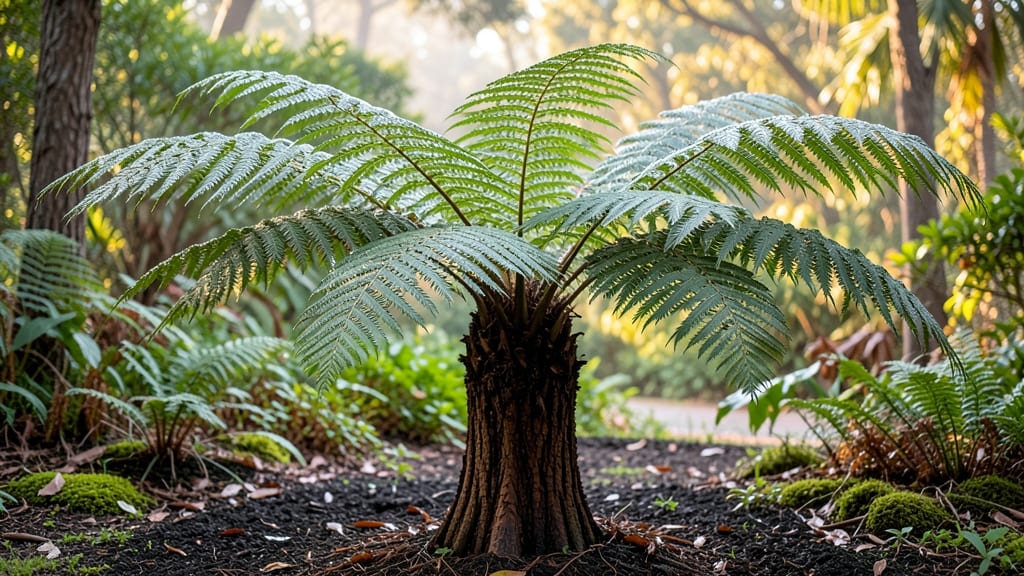
Tree fern height by variety: from dwarf to giant species
Tree ferns offer a stunning vertical element to any garden, with varieties ranging from compact container plants to towering giants that reach heights of 30 feet or more.
Understanding these differences helps you choose the perfect specimen for your space—whether you're designing a lush rainforest corner or a cozy patio retreat. The key lies in selecting the right species for your climate zone and available growing space.
Most tree ferns belong to the Dicksonia or Cyathea genera, with mature heights spanning from just 3 feet to over 30 feet. Tropical varieties tend to grow faster and taller, while temperate species often mature more slowly but with greater cold hardiness.
Let's explore the full spectrum of tree fern heights and their ideal growing conditions to help you make an informed choice for your garden.
🌿 Pro Tip: Always check your USDA hardiness zone before selecting a variety—some tropical species won't survive winter in colder climates.
| Variety | Mature Height | Growth Rate | Hardiness Zone | Ideal Conditions |
|---|---|---|---|---|
| Dicksonia antarctica (Soft Tree Fern) | 12-20 ft | Moderate (1-2 ft/year) | 6-10 | Partial shade, moist soil |
| Cyathea dealbata (Silver Fern) | 15-25 ft | Fast (2-3 ft/year) | 8-11 | High humidity, filtered light |
| Cyathea medullaris (Australian Tree Fern) | 10-15 ft | Slow-Moderate (1 ft/year) | 7-10 | Partial shade, well-draining soil |
| Dicksonia fibrosa (Hair Fern) | 6-10 ft | Slow (6-12 in/year) | 8-11 | Tropical, high moisture |
| Cyathea arborea (Tree Fern) | 20-30 ft | Very Fast (3+ ft/year) | 10-12 | Full shade, humid climate |
| Cyathea cooperi (Australian Tree Fern) | 3-5 ft (Dwarf) | Slow (3-6 in/year) | 7-10 | Container-friendly, partial sun |
| Dicksonia squarrosa (Leatherwood Fern) | 15-20 ft | Moderate (1.5-2 ft/year) | 7-10 | Moist, acidic soil |
| Cyathea australis (Tasmanian Tree Fern) | 8-12 ft | Moderate (1 ft/year) | 7-9 | Coastal, wind-resistant |
| Dicksonia excelsa (Tasmanian Tree Fern) | 25-30 ft | Fast (2-3 ft/year) | 7-9 | High rainfall, shaded |
How growth conditions affect tree fern height: sunlight, soil, and climate factorsTree ferns are architectural marvels that can transform any garden, but their height growth depends heavily on environmental factors. While some varieties naturally reach 20+ feet, others stay compact at just 3-6 feet. The difference often comes down to sunlight exposure, soil composition, and climate conditions—all of which you can optimize to encourage or control their growth. In tropical climates, tree ferns often grow 30-50% taller than their temperate counterparts due to year-round warmth and humidity. Even in cooler zones, selecting the right USDA hardiness zone (typically 6-10) ensures healthier, faster growth. For example, Dicksonia antarctica thrives in zones 7-10 and can reach 15 feet in ideal conditions, while Cyathea dealbata stays shorter in zone 6. Sunlight is one of the most critical factors—too much direct sun can scorch fronds and limit growth, while insufficient light leads to weak, elongated stems. Place your tree fern in a spot with morning sun and afternoon shade for optimal results. In containers, rotate the pot every few weeks to ensure even light exposure, which helps maintain a compact, bushy shape rather than a leggy one. Soil composition plays a surprising role in height. Tree ferns prefer acidic, well-draining soil with high organic content. Amending clay soil with peat moss or pine bark improves drainage and encourages root development, which directly impacts how tall your fern grows. A pH test before planting ensures your soil is in the ideal 5.5-6.5 range—outside this, growth slows significantly. Climate matters just as much as soil. In humid tropical zones, tree ferns grow 2-3 feet per year, while in drier temperate climates, growth may only reach 1 foot annually. To boost growth in dry areas, mimic their natural habitat by misting fronds daily and using a humidifier nearby. In colder zones, protect young ferns with burlap wraps during winter to prevent frost damage that stunts growth. You can also prune strategically to control height. Removing old fronds at the base encourages new growth from the center, creating a fuller, more compact plant. For container-grown ferns, prune back 1/3 of the fronds annually to maintain a manageable size. Always use sterilized pruners to prevent disease, which can further slow growth. |