
How To
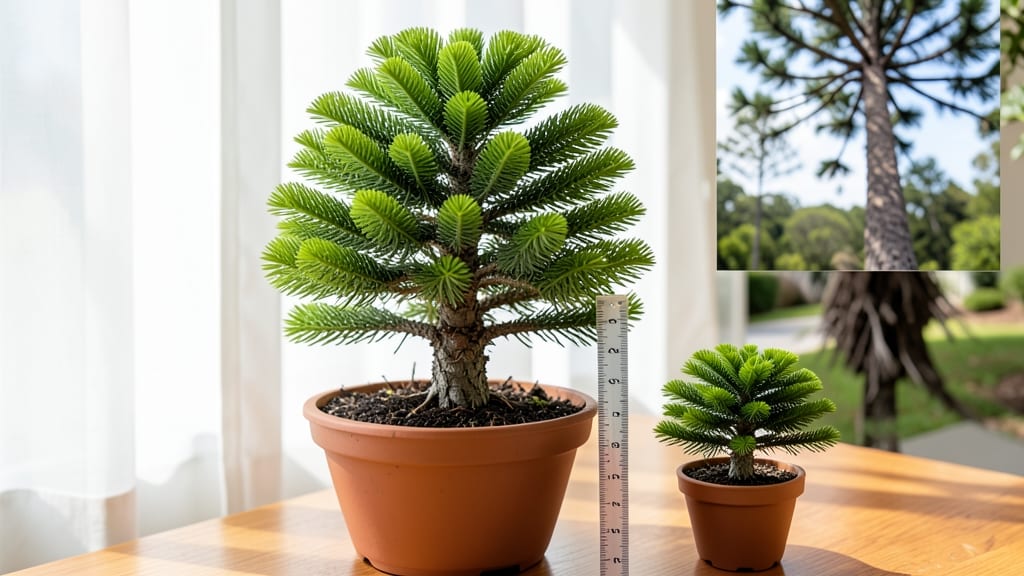
A Christmas tree 🎄 can grow how tall can a Christmas tree grow taller than you’d imagine—some varieties reach heights of 80 feet or more when given the right conditions.
Ever wondered if your backyard could host a Christmas tree taller than your house? Some species shoot skyward at astonishing rates—turning holiday decor into a year-round forest. But growth limits vary wildly, and choosing the wrong type could mean waiting decades for a towering centerpiece.
From the towering Douglas fir to the more manageable Scotch pine, each species has its own growth story. The fastest growers can add 3 to 5 feet per year, while others take decades to reach their full potential.
Whether you’re dreaming of a backyard giant or a compact ornamental, understanding these differences is key.
In this guide, I’ll break down the fastest-growing Christmas tree species, their sky-high limits, and how to maximize their height—without breaking your property’s rules or your patience.


Fastest-growing Christmas tree species and their maximum heights
If you dream of a Christmas tree taller than your house, you’re not alone—but not all species deliver that sky-high vision on the same timeline. Some varieties grow 3 feet per year, while others take decades to reach their full potential.
The key is choosing a fast-growing species that matches your climate, space, and patience level. Below, we compare the top 5 fastest-growing Christmas trees, their maximum heights, and how long they take to reach them.
For instant impact, the Leyland Cypress is my top pick—it can grow 4–6 feet per year and hit 60–70 feet in just 10–15 years. But if you prefer a classic evergreen, the Douglas Fir is a close second, though it takes slightly longer to mature.
Let’s break down the growth rates, ideal climates, and space requirements so you can pick the perfect tree for your backyard forest.
🌱
| Species | Growth Rate (Per Year) | Max Height | Time to Mature (Years) | Ideal Climate Zones | Space Needed |
|---|---|---|---|---|---|
| Leyland Cypress | 4–6 ft | 60–70 ft | 10–15 years | 6–9 (Coastal, mild winters) | Wide (15–20 ft) |
| Douglas Fir | 2–4 ft | 70–100 ft | 20–30 years | 5–8 (Cool, wet climates) | Narrow (10–15 ft) |
| Norway Spruce | 2–3 ft | 50–75 ft | 25–35 years | 3–7 (Cold winters, well-drained soil) | Moderate (12–18 ft) |
| Blue Spruce | 1–2 ft | 40–60 ft | 30–40 years | 3–6 (Dry, continental climates) | Wide (15–20 ft) |
| Scotch Pine | 2–3 ft | 50–80 ft | 25–35 years | 3–8 (Drought-tolerant, sandy soil) | Moderate (10–15 ft) |
The Leyland Cypress is the undisputed champion for speed, but it’s not the tallest—Douglas Fir can outgrow it by 30 feet if given enough time.
If you’re in a coastal climate (Zones 6–9), the Leyland Cypress will thrive and give you a holiday-worthy tree in under a decade.
Meanwhile, the Norway Spruce is a slow-and-steady option, perfect if you want a classic Christmas tree but don’t mind waiting 25–35 years for it to reach its full height.
For smaller yards, the Blue Spruce is a compact powerhouse, though it grows slower. Its silver-blue needles make it a standout, but it needs well-drained soil to avoid root rot.
If you’re in a dry climate, the Scotch Pine is a drought-resistant alternative that still hits 50–80 feet—just expect a longer wait than the Leyland Cypress.
🌿
One critical factor often overlooked is spacing. A 60-foot Douglas Fir needs 15–20 feet of clearance on all sides—so measure your yard before planting! Leyland Cypress, while fast, spreads wide (15–20 feet), making it ideal for privacy screens or backyard borders.
If you’re planting near power lines, check local regulations—some areas require HOA approval for trees over 30 feet tall.
For urban gardeners, consider semi-dwarf varieties like the Semi-dwarf Norway Spruce, which tops out at 10–15 feet in 10–15 years. It’s a compromise between speed and space, perfect for small backyards or container gardening.
Just ensure it gets full sun—shady spots slow growth by 30–50%.
✂️
Pro tip: Prune strategically to encourage height over width. Trim lower branches in early spring to redirect energy upward. Avoid over-pruning, though—this can stunt growth. And if you’re planting multiple trees, space them 10–15 feet apart to prevent root competition, which can halve growth rates.
Ready to turn your backyard into a Christmas tree wonderland? Start with the Leyland Cypress for fast results, or go for the Douglas Fir if you
How to maximize your Christmas tree’s growth potential
Your Christmas tree’s growth isn’t just about patience—it’s about creating the perfect conditions. The right soil pH (5.0-7.0), drainage, and sunlight exposure can turn a slow-growing sapling into a towering holiday centerpiece in half the time.
For example, a Douglas fir in ideal conditions can grow 3 feet per year, while a Leyland cypress might double that with proper care.
Urban gardeners face unique challenges like limited space and soil compaction. Rural growers, however, can leverage looser soil and wider spacing to encourage rapid vertical growth. Both scenarios require tailored approaches—whether it’s container growing for cities or wide-row planting for farms.
The key is understanding your tree’s genetic potential and how to unlock it.
Growth Boosters vs. Common Mistakes
Growth Boosters
- 🌱 Full Sun (6+ hrs): Maximizes photosynthesis
- 💧 Deep Watering: 1-2 inches per week
- ✂️ Prune Strategically: Remove dead branches annually
- 🌡️ Optimal pH (5.0-7.0): Use lime or sulfur to adjust
- 🌿 Mulch Base: Retains moisture, regulates temperature
Common Mistakes
- 🚫 Overwatering: Causes root rot
- 🌑 Partial Shade: Slows growth by 30-50%
- ✂️ Over-Pruning: Removes too many branches
- 🌡️ Poor Drainage: Leads to fungal diseases
- 🏙️ Urban Pollution: Weakens tree resilience
Start with soil preparation—amend clay-heavy soil with compost and sand to improve drainage. For urban planters, mix in perlite to prevent compaction. Test your soil’s pH using a home kit—most Christmas trees thrive in slightly acidic to neutral conditions.
If your soil is too alkaline, add elemental sulfur to lower the pH gradually.
Watering is where many growers go wrong. Deep, infrequent watering encourages deep root growth, while shallow watering promotes weak roots. Aim for 1-2 inches per week, adjusting for rainfall. Morning watering reduces evaporation and fungal risks. Urban trees in containers dry out faster—check soil moisture daily during summer heatwaves.
Pruning isn’t just about aesthetics—it’s about directing energy upward. Remove dead or crossing branches in late winter or early spring before new growth begins. Avoid heavy pruning after mid-summer, as this can stimulate tender new growth vulnerable to frost.
For fast vertical growth, focus on crown thinning to reduce competition for sunlight.
Seasonal care makes a surprising difference. In fall, apply a 2-3 inch layer of mulch to insulate roots. During winter, protect young trees from deer and rodents with tree guards. Spring fertilization with a balanced 10-10-10 NPK formula kickstarts growth.
Skip fall fertilization—it encourages late-season growth that won’t harden off before frost.
With these strategies, you could see your Christmas tree reach holiday-height (8-10 feet) in just 5-7 years—not the decades many assume. The secret? Consistent care tailored to your tree’s species and environment.
Whether you’re in a city apartment or a rural acreage, these techniques will help you grow a tree that’s not just for Christmas, but a year-round showstopper. 🌲