
Pruning
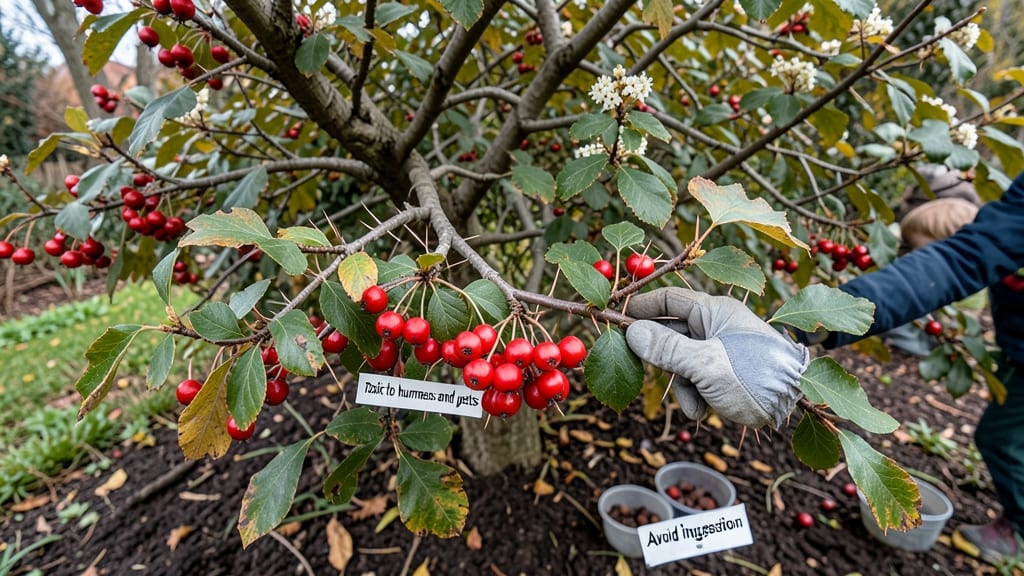
Hawthorn tree poison comes from its leaves, seeds, and bark, which contain cyanogenic glycosides that release toxic cyanide when chewed or processed. This poses serious risks to pets and children, causing symptoms like vomiting, dizziness, and breathing difficulties that require urgent medical care.
Hawthorn trees contain amygdalin, a compound that breaks down into cyanide when ingested, disrupting oxygen transport in cells. 🔥 While small amounts may not be immediately deadly, prolonged exposure or large quantities can lead to severe poisoning.
Children and pets are especially vulnerable because they're more likely to chew on leaves or seeds during play. Always wear gloves when handling hawthorn branches, and consider removing them from areas where kids or animals frequent.
Recognizing toxicity early is crucial. Look for signs like excessive drooling, lethargy, or labored breathing—these indicate cyanide poisoning. If ingestion occurs, contact poison control immediately and seek veterinary care for pets. For gardeners, opt for non-toxic alternatives like serviceberry or dogwood, which offer similar ornamental value without the danger.
💡 In This Article
- Toxic Components in Hawthorn Tree and Their Effects
- Safety Measures for Pets, Kids, and Gardens
Toxic components in hawthorn tree and their effects
The hawthorn tree's toxicity originates from amygdalin, a cyanogenic glycoside found in its leaves, seeds, and bark. When ingested, enzymes in the digestive tract break this compound into benzaldehyde (which gives almonds their scent) and hydrogen cyanide—the actual poison.
A single hawthorn seed contains about 0.001-0.005 milligrams of cyanide, but chewing just 10-20 seeds can release enough cyanide to cause poisoning in small animals or children.
The cyanide disrupts cellular respiration by binding to cytochrome c oxidase in mitochondria, effectively blocking oxygen utilization. This causes tissues to suffocate at a cellular level, leading to symptoms like rapid breathing, confusion, and even seizures. 🔥 In severe cases, cyanide poisoning can be fatal within 30-60 minutes if untreated.
The bark contains higher concentrations of amygdalin than leaves, making it particularly dangerous when chewed by curious pets or children exploring outdoor spaces.
Interestingly, the toxicity varies by plant part and season. Fresh leaves contain more amygdalin than dried ones, while seeds have the highest concentration. The tree's berries, while less toxic, still pose risks because animals may eat them whole—only to regurgitate the seeds later, potentially contaminating soil or water sources.
This delayed release mechanism explains why poisoning cases often involve multiple symptoms appearing hours after initial exposure.
Comparing hawthorn to other common toxic plants helps illustrate its danger level. For example, 100 grams of hawthorn leaves contains roughly equivalent cyanide to 50 grams of bitter almonds—a well-known cyanide source.
However, hawthorn's toxicity is more insidious because its pleasant almond-like aroma masks the danger, unlike the bitter taste that often warns against bitter almond ingestion.
What makes hawthorn particularly concerning is how efficiently its toxins are absorbed. Cyanide enters the bloodstream within 15-30 minutes of ingestion, with peak toxicity occurring in 2-4 hours. This rapid absorption means there's little time for delayed treatment—immediate action is critical.
The tree's ornamental appeal, with its white spring blossoms and red berries, only exacerbates the problem by tempting people to plant it near homes where pets and children roam freely.
Understanding these mechanisms helps explain why veterinarians and poison control centers emphasize the importance of quick response. Even small exposures can trigger symptoms, and the body's metabolic rate determines how quickly cyanide is processed—making children and small pets especially vulnerable due to their higher metabolic turnover rates. 💫