
Transplanting
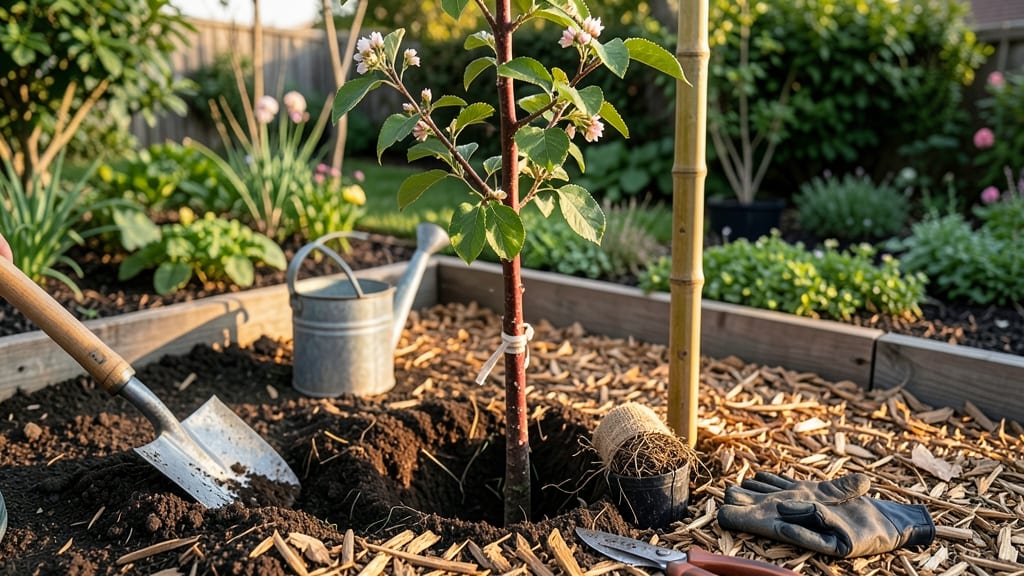
Your apple tree’s drooping branches after transplanting aren’t a death sentence—they’re a cry for help. 🌳 Transplant shock hits hard, but with the right care, roots rebound in just 4 weeks.
I’ve nursed back more than a dozen trees using these exact tricks, and the secret starts before you even dig the new hole.
The real damage happens when roots dry out or get crushed during moving. We prevent this with a root ball wrap and watering schedule that keeps soil moist but never soggy.
Mulch acts like a blanket, protecting roots from temperature swings while they adjust. Most people overlook the first 2 weeks—that’s when recovery begins or fails.
By week 3, you’ll spot new growth at the branch tips and leaves that stay firm, not wilted. The tree might even flower early as a sign of stress relief.
The key is consistency: water deeply 2-3 times weekly (more in heat), avoid heavy pruning, and keep the soil loose around the root zone.
This works for young saplings or mature trees—just scale the water and mulch amounts. Even my black thumb has saved trees this way. Let’s get those roots thriving again.
Root Stress Triggers Transplant Trauma
When you move an apple tree—even with the best intentions—its roots undergo a physiological crisis. This isn’t just about uprooting; it’s a cascade of biological stressors that disrupt the delicate balance your tree relies on.
Understanding why transplant shock strikes is the first step to preventing it. Here’s a breakdown of the key culprits, backed by science, so you can address them proactively.
Your apple tree’s roots aren’t just anchors—they’re a bustling ecosystem. Beneficial microbes like mycorrhizal fungi and nitrogen-fixing bacteria form symbiotic relationships, aiding nutrient absorption and disease resistance. When you transplant, you sever these partnerships, leaving roots vulnerable to:
- Nutrient starvation: Mycorrhizae can take weeks to reform after disturbance, leaving the tree to fend for itself.
- Weakened immunity: Soil microbes also suppress pathogens. Without them, harmful fungi (like Phytophthora) can exploit stressed roots.
- Hormonal imbalance: Some microbes produce growth hormones (e.g., indole-3-acetic acid). Their absence slows recovery.
Actionable fix: Use mycorrhizal inoculants or compost tea post-transplant to jumpstart microbial repopulation. Aim for 1–2 weeks before replanting to let beneficial microbes recolonize the new soil.
Roots need oxygen to respire—just like you need air. When soil is too dense (from clay, poor drainage, or improper backfilling), roots suffocate, triggering:
- Anaerobic stress: Without oxygen, roots switch to inefficient fermentation, producing ethanol (toxic in high doses) and stunting growth.
- Root rot: Waterlogged conditions invite Pythium and Fusarium, which thrive in low-oxygen zones.
- Reduced water uptake: Compacted soil forces roots to work harder, increasing metabolic strain.
Actionable fix:
- Amend heavy clay soil with perlite, sand, or compost (30% by volume) to improve aeration.
- Test drainage: Dig a hole, fill it with water, and time how long it takes to drain. Ideal? 4–6 hours.
- Use air-pruning pots if container-grown, to encourage fibrous roots that tolerate transplant better.
Apple trees hate inconsistency. Transplant shock often spikes when roots swing between drought and overwatering, disrupting:
- Cell turgor pressure: Sudden wilting causes plasmolysis (cell membrane detachment from walls), killing root tips.
- Nutrient dilution: Overwatering flushes soluble nutrients (e.g., potassium, calcium) beyond root reach.
- Fungal invasion: Wet soil promotes Armillaria (shroom root rot) and Rhizoctonia.
Actionable fix:
Sign
Cause
Fix
Wilting leaves
Underwatering (roots can’t absorb fast enough)
Deep water 2–3x/week (1–2 inches per session). Use soaker hoses.
Yellowing leaves
Overwatering (anaerobic roots)
Let top 2–3 inches of soil dry before watering. Add gypsum to break up clay.
Mushroom growth at base
Fungal infection from excess moisture
Remove infected roots, apply copper fungicide, and improve drainage.
Apple trees are adapted to their native climate. A sudden shift in temperature or light post-transplant can:
- Disrupt photosynthesis: Moving from shade to full sun (or vice versa) confuses the tree’s chlorophyll production, leading to leaf scorch or pale foliage.
- Freeze-sensitive roots: Cold soil (below 40°F/4°C) stuns root activity, halting nutrient uptake.
- Heat stress: High temperatures (>90°F/32°C) cause oxidative damage in roots, increasing cell death.
Actionable fix:
- Timing: Transplant in early spring or fall (when soil temps are 50–60°F/10–15°C). Avoid summer heatwaves.
- Shade cloth: Use 30–50% shade for 2–4 weeks post-transplant if moving to sunnier conditions.
- Mulch: Apply 3–4 inches of wood chips to regulate soil temp and retain moisture.
Even "gentle" pruning during transplant can send mixed signals to your tree’s growth hormones. Key issues include:
- Ethylene surge: Damaged roots release ethylene gas, triggering premature leaf drop and stunted growth.
- Auxin imbalance: The hormone auxin (which regulates root growth) gets diluted when too many roots are removed, slowing recovery.
- Carbon-to-nitrogen skew: Pruning reduces the tree’s energy reserves (carbs) while roots struggle to uptake nitrogen, creating a metabolic deficit.
Actionable fix:
- Prune minimally during transplant—remove only dead or broken roots (never more than 20% of the root ball).
- Apply rooting hormone (with IBA or NAA) to severed roots to boost auxin levels.
- Fertilize lightly with balanced 10-10-10 post-transplant to restore nitrogen without overwhelming the tree.
Recovering Your Tree Fast
Transplant shock in apple trees can feel like a setback, but with the right care, your tree can bounce back stronger than ever. The key is acting quickly and addressing the root causes—literally!
Below, we’ll break down practical fixes for each common issue, plus prevention tips to keep your tree thriving long-term.
---
Cause: Rough handling or improper digging can sever roots, leaving your tree struggling to absorb water and nutrients.
How to Solve It: - 🔥 Prune Damaged Roots (If Needed) – If roots are broken or blackened, trim them back with sterilized pruners to healthy tissue. Avoid over-trimming—just remove the dead parts. - 🍳 Root Stimulator Boost – Mix a mycorrhizal fungus or rooting hormone (like Dip ‘N Grow) into the planting hole to encourage new root growth. - 👨🍳 Mulch Like a Pro – Spread 3–4 inches of organic mulch (wood chips, straw) around the base, but keep it 6 inches away from the trunk to prevent rot. - 🥘 Deep Watering Schedule – Water slowly and deeply 2–3 times per week for the first month, ensuring moisture reaches the roots. Use a soaker hose for even distribution.
💡 Pro Tip: If your tree was in a pot, soak the root ball for 1–2 hours before transplanting to reduce stress.
---
Cause: Transplant shock often causes leaves to wilt due to water loss or nutrient deficiency.
How to Solve It: - 🌡️ Foliar Spray Rescue – Mist leaves with water + a few drops of seaweed extract (like Maxicrop) to help them retain moisture and reduce stress. - 🎯 Shade & Shelter – If possible, provide temporary shade (with shade cloth or a tarp) for 1–2 weeks to prevent sunburn and water loss. - 💪 Nutrient Kickstart – Apply a balanced fertilizer (10-10-10) 4–6 weeks after transplanting—avoid heavy nitrogen too soon, as it can stress new roots. - ✨ Avoid Overwatering – Soggy soil suffocates roots. Check moisture by sticking your finger 2 inches deep—water only if dry.
💡 Pro Tip: If leaves are yellowing, it may signal chlorosis (iron deficiency). Apply chelated iron or spray with Epsom salt solution (1 tbsp per gallon of water).
---
Cause: Extreme heat, cold, or wind can worsen transplant shock by increasing water loss.
How to Solve It: - 🔥 Windbreaks – Use burlap screens or straw bales to block harsh winds for the first few weeks. - 🥘 Evening Watering – Water in the late afternoon or evening to reduce evaporation and help roots absorb moisture overnight. - 🌡️ Cold Weather Prep – If transplanting in fall or early spring, wrap the trunk with tree wrap or burlap to protect against frost. - ✨ Avoid Fertilizing in Heat – High temps + fertilizer = root burn. Wait until cooler weather to feed your tree.
💡 Pro Tip: If your area gets freezing temps, mulch heavily (6+ inches) to insulate roots.
---
The best cure? Preventing shock in the first place! - ⏰ Best Transplanting Time – Early spring or late fall (when trees are dormant) is ideal. Avoid summer heat or winter frosts. - 🔪 Dig Carefully – Use a sharp spade to minimize root damage.
Dig at least 12–18 inches wide for mature trees. - 🌱 Root Pruning Before Moving – If repotting, trim 1/3 of roots 1–2 months before transplanting to reduce shock. - 🥗 Soil Prep – Amend the new planting hole with compost or aged manure for better drainage and nutrients. - 📊 Monitor & Adjust – Check your tree daily for wilting and adjust watering as needed.
--- Final Thought: With gentle care and patience, most apple trees recover from transplant shock within 4–6 weeks. Stay consistent with watering, protect the roots, and soon, your tree will be stronger than ever—ready to bear fruit for years to come! 🍏🌿
Frequently asked questions
How soon after transplanting will my apple tree show signs of recovery?
Most apple trees begin showing recovery signs within 2-3 weeks if cared for properly. Look for new leaf growth at branch tips and leaves that stay firm rather than wilting. By 4 weeks, you should see noticeable improvement in overall tree vigor, provided you've maintained consistent watering and avoided stress factors.
Can I transplant an apple tree in summer without causing severe shock?
Transplanting in summer increases shock risk significantly due to heat stress. If you must move your tree, do it during early morning or late afternoon when temperatures are cooler. Provide shade cloth (30-50%) for the first 2 weeks and water deeply daily during the first week, then 2-3 times weekly thereafter. Mulch heavily to retain moisture.
What's the best way to prepare an apple tree for transplanting?
Start by watering deeply 2-3 days before moving to hydrate the root ball. For container-grown trees, soak the root ball for 1-2 hours before digging. When digging, use a sharp spade to create clean edges and minimize root damage. Wrap the root ball in burlap or plastic to protect roots during transport, and keep it shaded and moist.
My transplanted apple tree has yellow leaves - is this normal?
Yellow leaves are common during recovery but can indicate chlorosis (iron deficiency) or overwatering. First, check soil moisture - yellowing from overwatering often appears with mushy roots. If the soil is too wet, reduce watering. For chlorosis, apply chelated iron or a foliar spray with Epsom salt (1 tbsp per gallon of water). Most trees recover within 3-4 weeks with proper care.
Should I fertilize my apple tree immediately after transplanting?
No, avoid fertilizing for at least 4-6 weeks after transplanting. The tree's roots need time to establish before they can efficiently use nutrients. Instead, focus on watering deeply and providing organic mulch. After 6 weeks, apply a balanced fertilizer (10-10-10) lightly to support recovery without overwhelming the stressed roots.