
Pruning
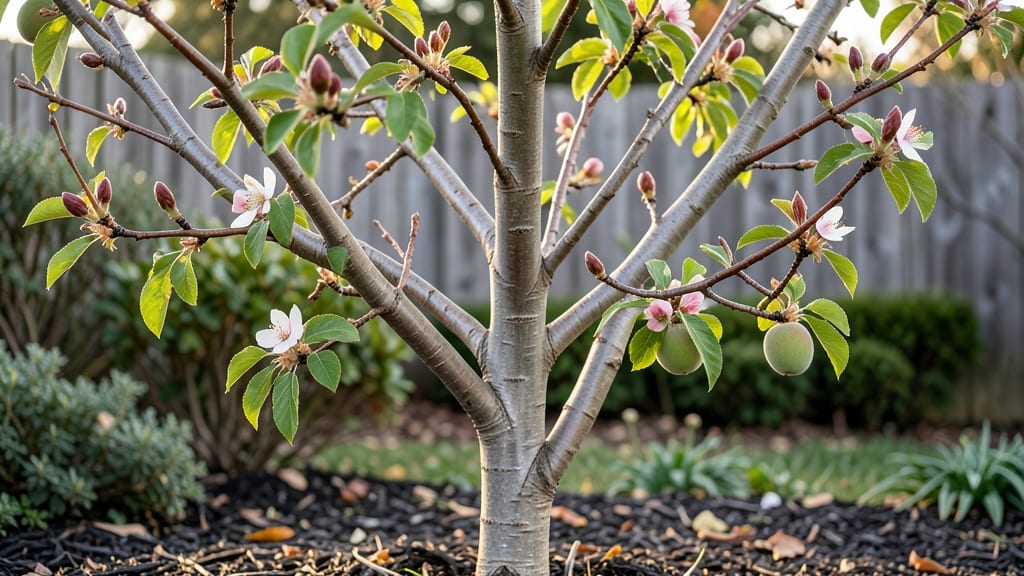
Peach tree branches need regular pruning to stay healthy and productive. ✂️ I learned the hard way—skipping pruning led to overcrowded limbs, fewer fruits, and even disease. The right cuts now mean bigger harvests and a tree that lasts decades.
Start by removing dead, broken, or diseased branches first—they’re the easiest to spot. Next, thin out crossing branches to improve airflow, which cuts down on fungal issues like brown rot. Aim for an open center with sunlight reaching all the way to the trunk.
You’ll see stronger growth and more peaches within a season if you prune correctly. The key is timing: late winter or early spring, before buds swell. Just avoid heavy pruning in fall, or you risk inviting pests. For home gardeners, this method keeps trees manageable and productive.
Let’s get those branches in shape!
📚 In This Guide
- What you need
- Instructions
- Tips and common mistakes
- Wrapping up and next steps
What you need
- ● Pruning shears – Bypass pruners (for small branches, 5-8" blades) or anvil pruners (for thicker branches, 6-10" blades). Sharpness is key!
- ● Loppers – 12-18" cutting blades for branches up to 2" in diameter.
- ● Pruning saw – For branches 2"+ in diameter (bow or folding saw with 8-10" blades).
- ● Gloves – Heavy-duty, cut-resistant (gardening or pruning gloves) to protect hands from thorns and rough bark.
- ○ Disinfectant (optional but recommended) – 70% isopropyl alcohol or bleach solution (1 part bleach to 9 parts water) to sterilize tools between cuts and prevent disease spread.
- ● Rope or twine – For temporary support if you’re training young branches or securing heavy limbs.
- ○ Bucket or bag – For collecting pruned branches (optional but helpful for cleanup).
- ● Pole saw or pruning pole – For high branches (extendable 3-6 ft).
- ● Ladder – Sturdy, non-slip if your tree is over 6 ft tall.
- ● Hand pruners with ratchet – For easier cutting of stubborn branches.
- ○ Pruning sealant – Optional for large cuts (e.g., tree wound dressing) to reduce disease risk.
- ● Notebook & pen – To sketch your tree’s structure or track pruning progress.
Step-by-Step instructions for pruning peach tree branches
Here's how I shape my peach tree each season—clean cuts that boost fruit and prevent disease.
✂️ Step 1: Prune During Dormant Season for Cleanest Results
Start pruning in late winter or early spring, just before buds swell but before new growth begins. This timing prevents disease spread and lets you see the tree's structure clearly. I always work on a dry day—wet branches are slippery and tear bark when cut.
Remove any dead, diseased, or crossing branches first. These are easy to spot—they're brown inside, have no leaves, or rub against other branches. Cut back to the branch collar (the swollen area where the branch meets the trunk) using clean, sharp pruners. Never leave stubs; they invite rot and pests.
✂️ Step 2: Thin the Canopy for Better Airflow and Sunlight
Peach trees need 6-8 hours of sunlight daily for best fruit production. Thin the canopy by removing branches that grow inward or downward. Look for branches that cross others—these create wounds and weak spots. I aim to open the center of the tree so light reaches all branches.
Remove no more than 25% of the tree's branches in one season. Cut back to a lateral branch or bud, making the cut at a 45-degree angle just above an outward-facing bud. This encourages new growth in the right direction. If a branch is too thick to cut cleanly with hand pruners, use a saw.
✂️ Step 3: Shape the Tree for Strong Structure
Peach trees grow best with a central leader (one main trunk) and scaffold branches spaced 12-18 inches apart. Remove any branches growing straight up from the trunk—these compete with the central leader. Cut them back to a side branch or bud facing outward.
For scaffold branches, select 3-5 strong branches evenly spaced around the trunk. These will form the tree's main structure. Prune any branches growing too close together—keep only the strongest, healthiest ones. You'll see new shoots emerge from the pruned areas in spring, filling in gaps naturally.
✂️ Step 4: Clean Up After Pruning
Rake up and dispose of all pruned branches and debris immediately. Never leave them on the ground—they harbor pests and diseases that can reinfect your tree. I seal larger cuts (over ½ inch thick) with pruning sealant to protect against moisture loss and pests.
Sterilize your pruners between cuts by wiping them with rubbing alcohol. This prevents spreading disease from infected branches. After finishing, sharpen your pruners and store them in a dry place. Your tree will reward you with stronger growth and better fruit next season.
Tips & tricks for pruning peach tree branches
These practical pointers will help you prune with confidence and keep your peach tree thriving for years.
Timing is Everything: Late winter or early spring is the perfect window because the tree is dormant but about to wake up. This timing lets you see the tree's structure clearly while minimizing disease spread. I've learned the hard way—pruning too early when branches are still wet from winter rains leads to messy cuts that tear bark and invite pests. Always wait for a dry day to work.
Branch Collar Matters: When removing branches in Step 1, cutting back to the branch collar (that swollen area where the branch meets the trunk) is non-negotiable. I used to leave stubs, thinking it was easier, but they rot over time and create entry points for diseases. Take your time to make clean cuts just outside the collar—your tree will thank you with stronger growth.
Angle and Bud Direction: That 45-degree angle in Step 2 isn't arbitrary—it directs water runoff away from the cut and encourages new growth in the right direction. Always cut just above an outward-facing bud (you'll see them as little bumps). I mark these buds with a piece of tape if I'm unsure which way they're facing. This small detail makes a huge difference in how your tree fills back in naturally.
Equipment Prep: Sterilizing your pruners between cuts with rubbing alcohol (as mentioned in Step 4) prevents spreading disease from infected branches to healthy ones. I keep a small bottle of 70% isopropyl alcohol in my pruning kit. For larger branches, using a saw creates cleaner cuts than trying to force hand pruners. Just be sure to seal any cuts over ½ inch thick with pruning sealant to protect against moisture loss.
Pro Tips for Peach Tree Branches
- These practical pointers will help you prune with confidence and keep your peach tree thriving for years.
- Timing is Everything: Late winter or early spring is the perfect window because the tree is dormant but about to wake...
- Branch Collar Matters: When removing branches in Step 1, cutting back to the branch collar (that swollen area where t...
Frequently asked questions
Got questions about caring for your peach tree branches? You’re not alone! Here are some of the most common concerns—plus quick, actionable answers to keep your tree thriving.
When is the best time to prune peach tree branches?
The ideal window is late winter or early spring, just before buds swell but before new growth starts. This minimizes stress and disease risk. Avoid pruning in fall—it can encourage new growth that won’t harden off before winter. Pro tip: If you must prune in summer, do it early (June) to avoid inviting pests like borers.
How do I know which branches to cut?
Target branches that are:
- Dead/diseased: No leaves, blackened, or oozing sap.
- Crossing or rubbing: Competing branches that damage each other.
- Suckers: Fast-growing shoots at the base (remove them—they drain energy!).
- Overcrowded: Aim for an open-center shape with sunlight reaching the center.
Why are my peach tree branches dying after pruning?
Common culprits:
- Pruning too late: Wait until dormancy (Jan–Feb) to avoid fungal infections.
- Dirty tools: Sterilize shears with rubbing alcohol to prevent bacterial spread.
- Over-pruning: Never remove more than 25% of the canopy in one session.
- Water stress: Deep-water the tree post-pruning to aid recovery.
Can I use peach tree branches for anything else besides pruning?
Repurpose them creatively:
- Mulch: Chop small branches into wood chips for garden beds (adds potassium!).
- Firewood: Dry branches thoroughly first—they burn hot but fast.
- Art/crafts: Twist flexible branches into wreaths or furniture handles.
- Compost: Break into smaller pieces and mix into your compost pile.
Do peach tree branches need extra care in winter?
Yes! Protect young or newly pruned trees with:
- Burlap wraps: Shield trunks from rodent gnawing (deer/mice love peach bark!).
- Mulch ring: Apply 3–4 inches of mulch (straw or wood chips) to insulate roots.
- Avoid ice damage: Gently brush off heavy snow from branches to prevent splitting.
Wrapping up and next steps
Caring for your peach tree’s branches doesn’t have to be intimidating—with the right tools, timing, and techniques, you can keep your tree thriving year-round.
From winter pruning for airflow to summer shaping for fruit production, each step plays a key role in its health and bounty. Remember: patience and consistency are your best friends!
Ready to give your peach tree the love it deserves? Grab your pruners, roll up your sleeves, and start small—one cut at a time. Your tree (and future harvests!) will thank you! 🌿✂️