
Pruning
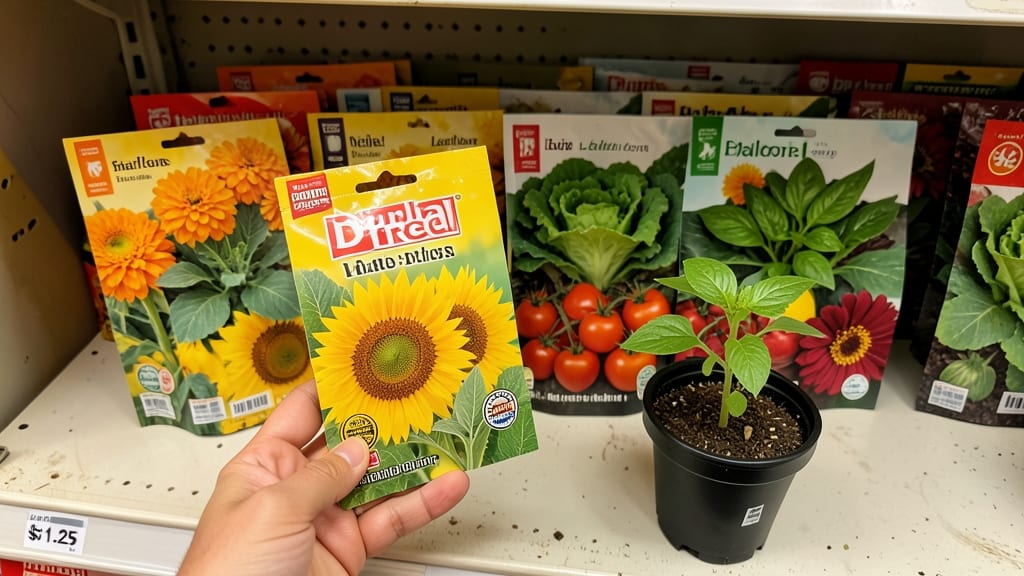
Yes, Dollar Tree sells seeds, but your best bet is fast-growing varieties like marigolds, sunflowers, or herbs. Check the gardening or party supplies aisle—stock changes with seasons and store locations, so call ahead if you need something specific.
If you're looking for budget-friendly gardening starts, Dollar Tree often carries quick-sprouting seeds that are perfect for beginners or last-minute planting. 🌱 The selection tends to focus on easy-to-grow plants like basil, cherry tomatoes, or zinnias, which thrive even with minimal care.
I’ve found that these seeds work well for container gardens or small plots where you want fast results without breaking the bank.
Pro tip: Scan the back of the seed packets for maturity dates—some Dollar Tree varieties are bred to grow quickly, making them ideal for late-season plantings or small-space gardening.
Just don’t expect the same variety as a specialty nursery, and always double-check for freshness—older seeds may have lower germination rates.
💡 In This Article
- What Types of Seeds Are Available at Dollar Tree
- Best Dollar Tree Seed Alternatives for Gardeners
What types of seeds are available at Dollar Tree
Dollar Tree typically stocks seeds that prioritize speed and simplicity, catering to beginners or those with limited gardening space.
The most common varieties you’ll find include marigolds (great for pest control), sunflowers (fast-growing and visually striking), and herbs like basil or parsley—all of which thrive with minimal care. 🌿 These selections align with Dollar Tree’s focus on affordability and ease, as they require less specialized growing conditions than heirloom or hybrid vegetables.
The seed packets you’ll encounter are usually from budget-friendly brands like Burpee or Park Seed, recognizable by their bright packaging and bold text. Look for packets labeled with days-to-harvest timelines under 30-60 days, as these are the fastest options.
For example, cherry tomato seeds often promise harvests in 50-60 days, while sunflower seeds can sprout in as little as 7-10 days—ideal for impatient gardeners or late-season plantings.
Seasonality plays a huge role in what’s available. In spring, you’ll likely spot more vegetable seeds (like lettuce or radishes), while summer brings an influx of flowering annuals for summer color. Winter selections are rare but might include hardy herbs like thyme or cool-weather greens.
The packaging often includes small illustrations of mature plants, which can help you quickly identify what you’re buying—though the actual yield per packet is usually modest (around 20-50 plants, depending on the variety).
One key detail to watch for is the germination rate printed on the packet, which indicates how many seeds are likely to sprout. Dollar Tree seeds often have rates around 80-90%, but older stock (especially near expiration dates) can drop to 60% or lower.
To maximize success, store seeds in a cool, dry place and plant them as close to their expiration date as possible—usually 1-2 years from the printed date.
If you’re after something more specialized, like vegetable starts or organic seeds, Dollar Tree won’t be your best option. However, the store’s seed selection shines for quick, low-maintenance projects, such as window-box herbs or small flowerbeds.
Pairing these with a few higher-quality seeds from a nursery can create a balanced, budget-friendly garden that still delivers impressive results. 🌱
For example, a $1 packet of sunflower seeds from Dollar Tree might yield 10-15 plants, while a $3 packet from a garden center could produce 50+ plants—but the Dollar Tree option is perfect for a small patio display or as a gift.
The trade-off is clear: convenience and cost savings over quantity and variety.